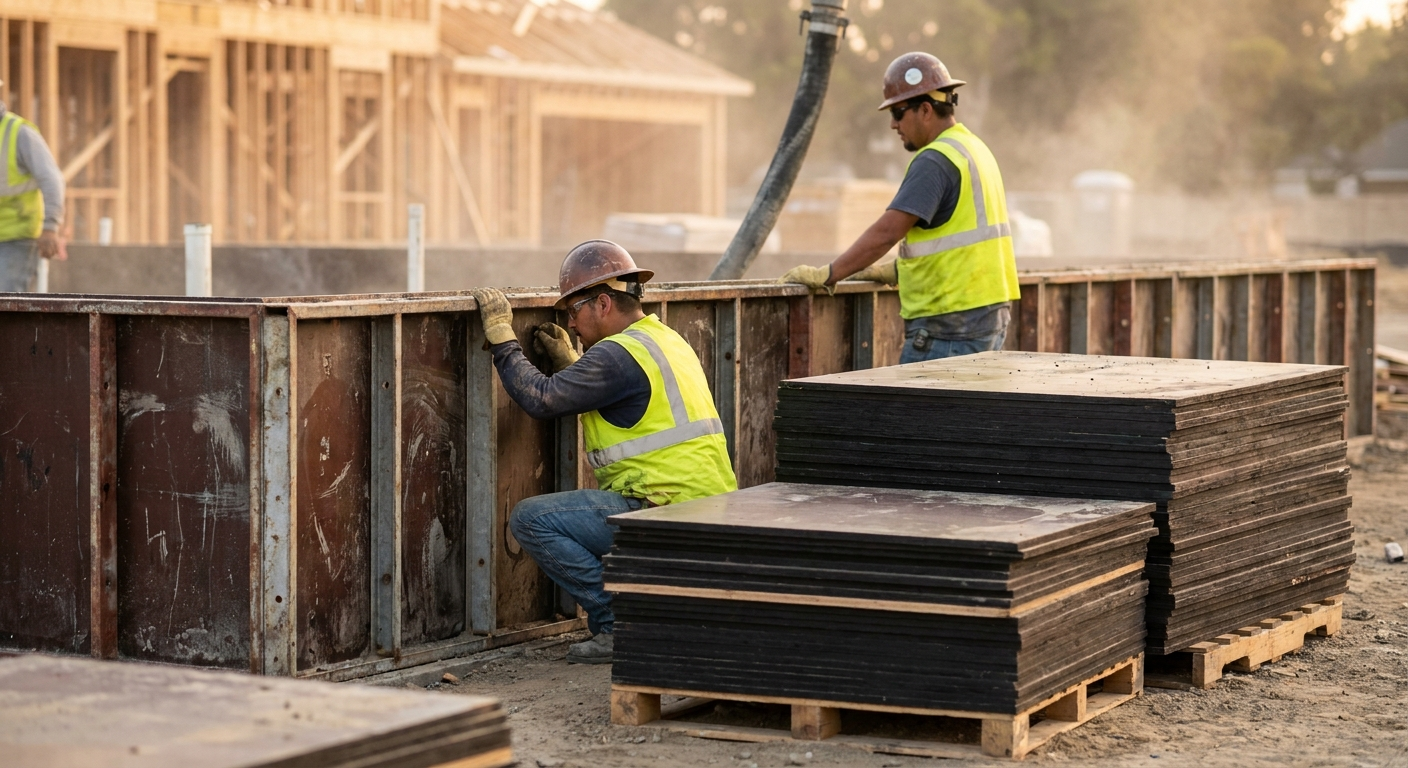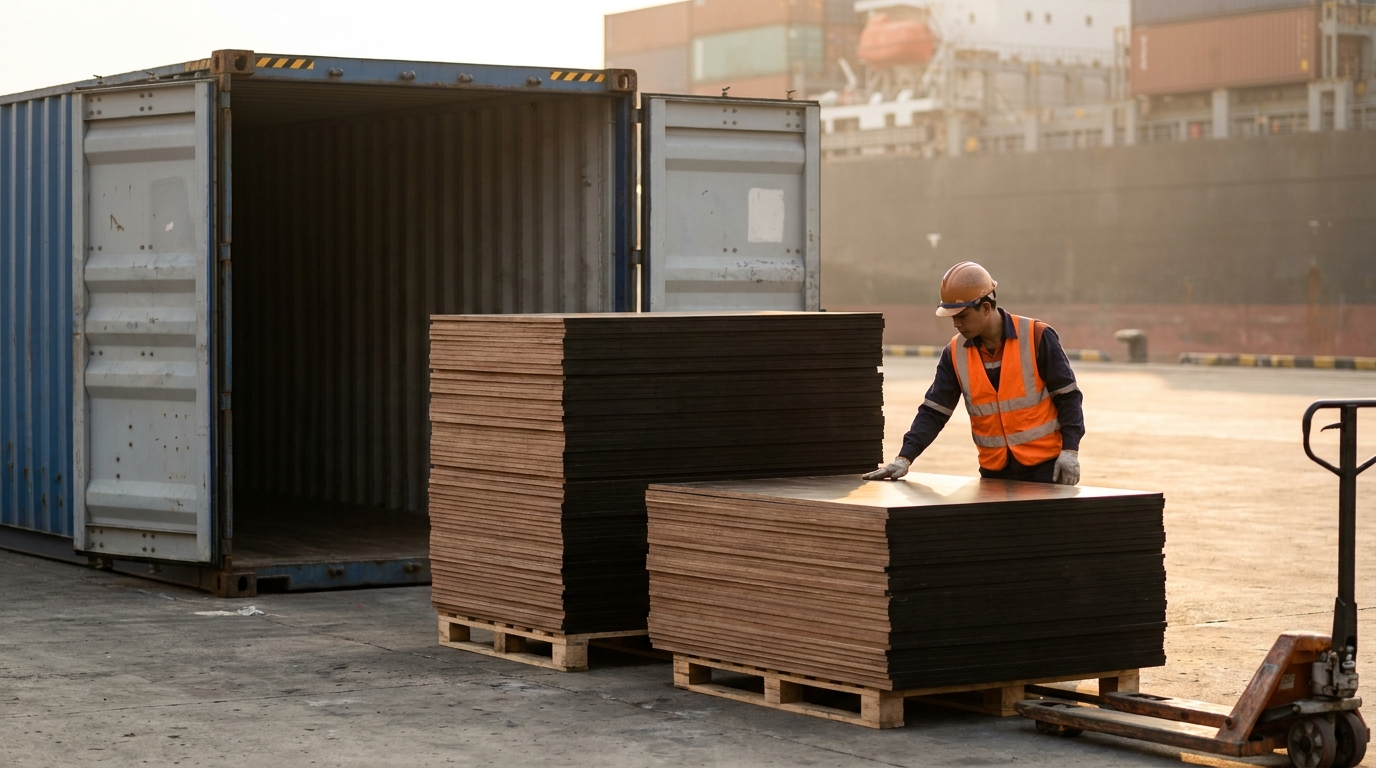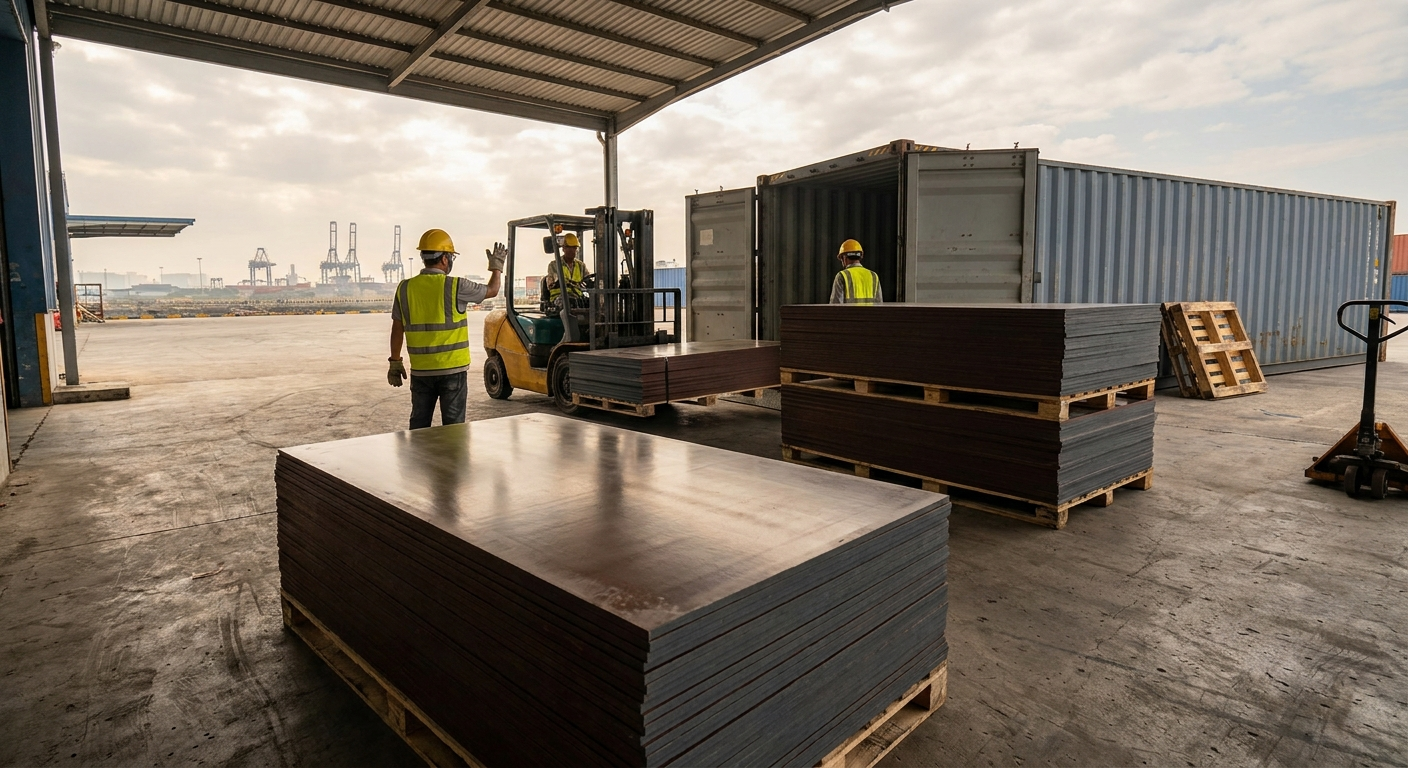
What is Luan underlayment? Luan underlayment price
Vinyl flooring is a popular choice for bathrooms, kitchens, and laundry rooms due to its easy installation, low maintenance, affordability, and variety of colors. However, because it adheres tightly to the subfloor, any imperfections in the subfloor, like those in unfinished cement, will show on…
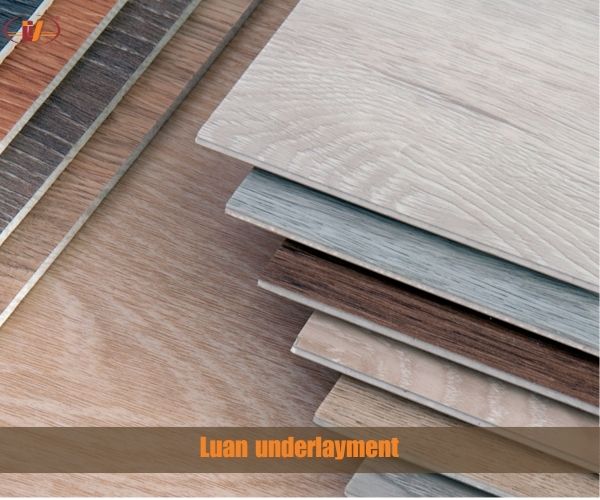
A quarter-inch luan sheet costs about $15 to $20 and does one job well: it puts a smooth, thin skin over a subfloor so sheet vinyl on top does not print every seam and screw head from below. That is the whole case for it. Everything else people believe about luan is usually half wrong, starting with the name.
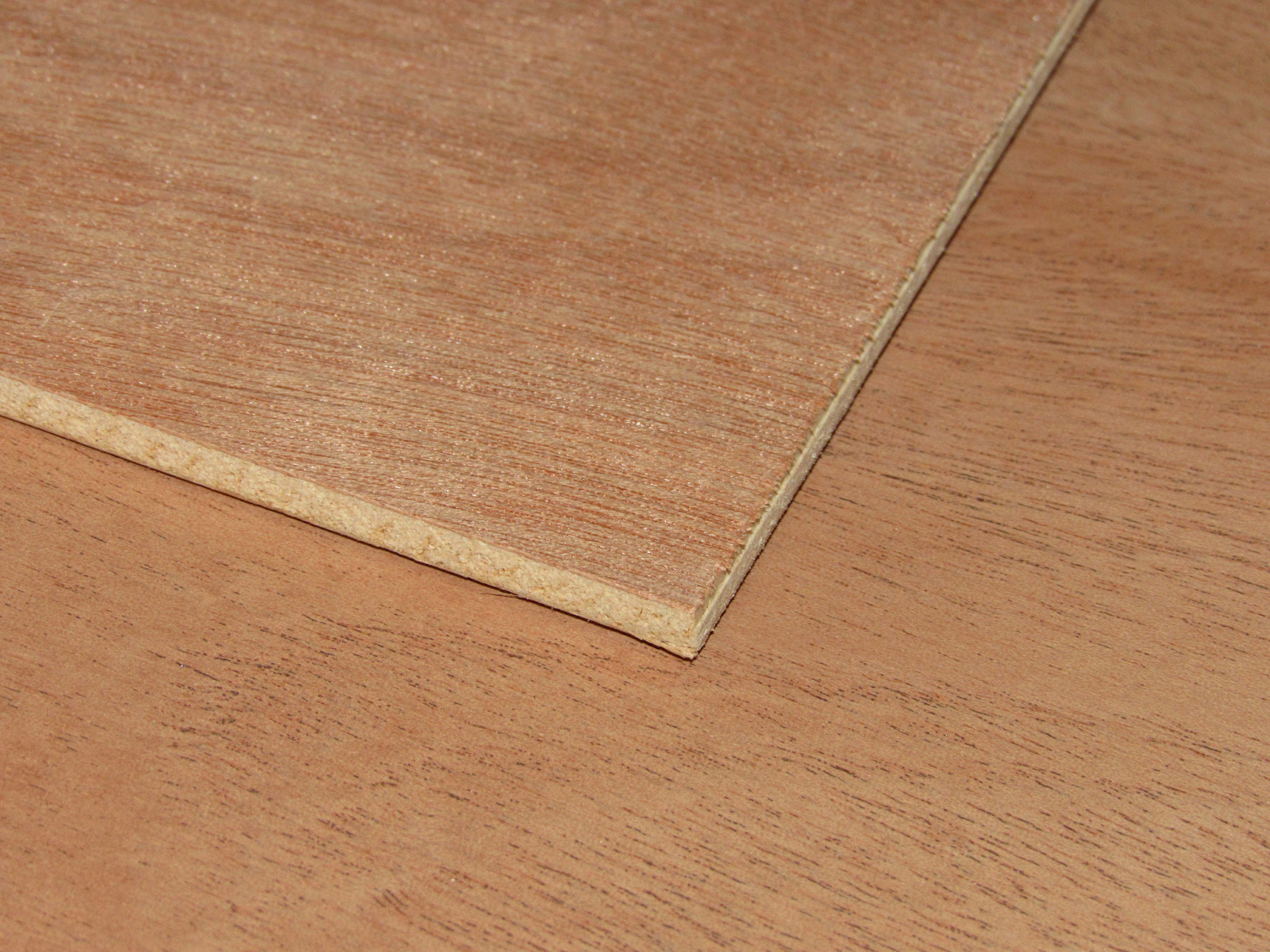
What it is, and what it is not
It is not mahogany. The wood comes from Shorea and Parashorea species out of Southeast Asia, sold as meranti or luan, and Philippine Mahogany is a lumber-yard sales name that stuck because the colour and working feel land close to the real thing. The botany does not agree. We make hardwood-faced panels and field this question constantly, and it almost always opens with a buyer sure they bought mahogany. They bought thin, inexpensive hardwood plywood, an eighth to a quarter inch thick, the same panel that ends up as cabinet backs, drawer bottoms, and lamination stock. And it is plywood, not some cousin of it: panels get built from all sorts of types of wood, and the face wood sets the character. The only real decision is which plywood suits the job. For a smooth base under vinyl, luan is the cheap, thin answer, and at $0.40 to $0.60 a square foot for a four-by-eight sheet, the price is most of the appeal.
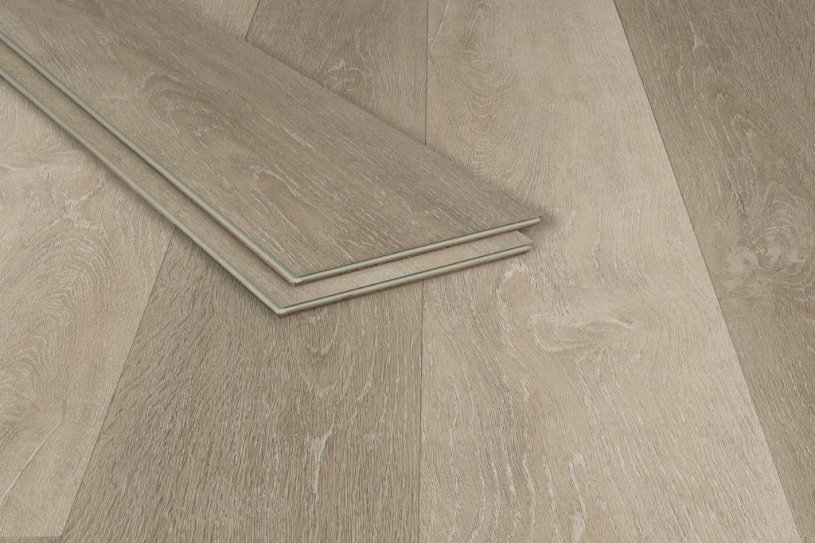
Laying it over a subfloor
Luan cannot be the subfloor. It is too thin and too weak to carry a floor on its own, so a sound subfloor has to be down first. After that the work is quick.
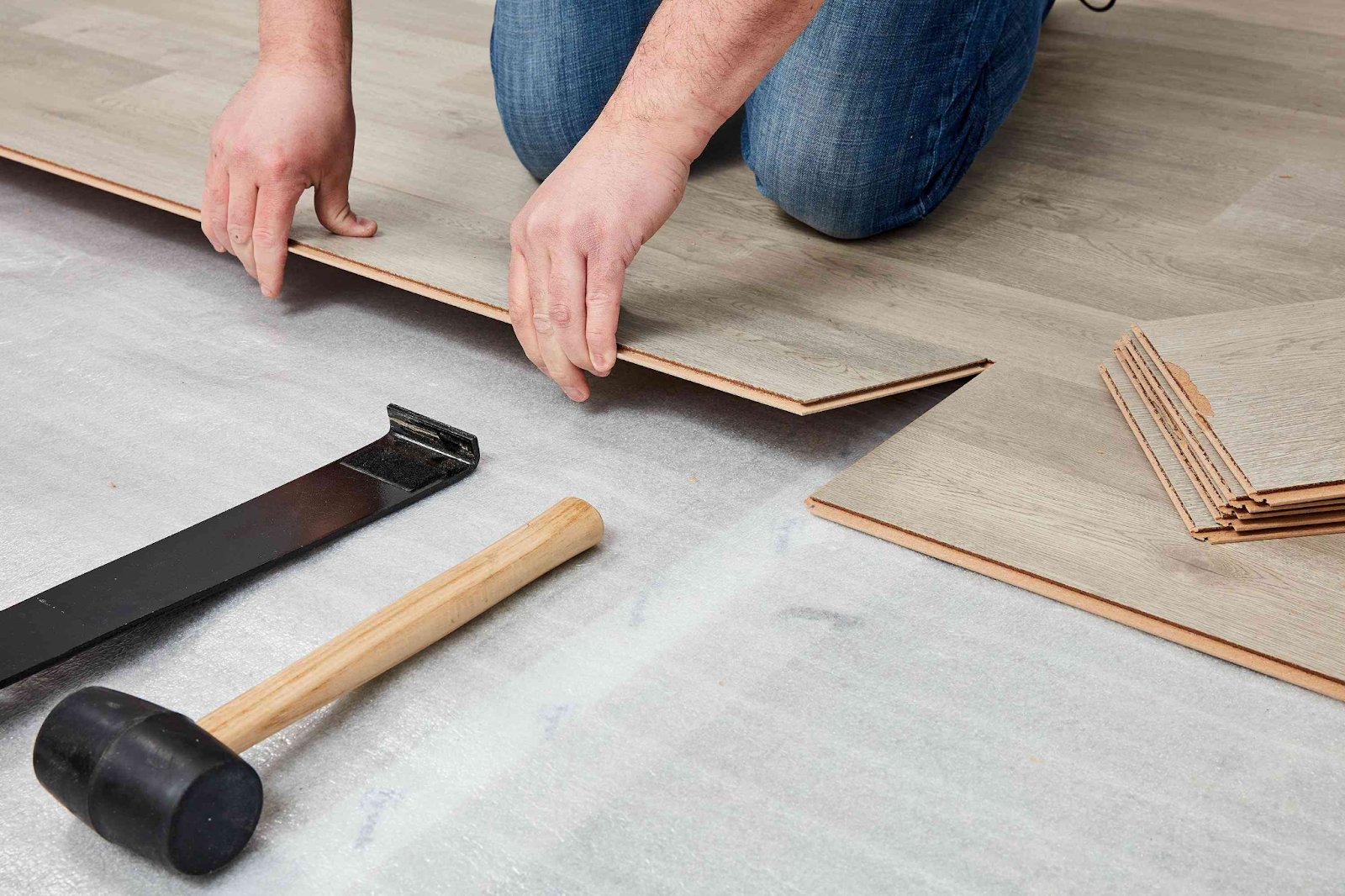
- Lay the first sheet in a corner, perpendicular to the subfloor panels, with a 1/16-inch gap at the walls.
- Staple it with 1/4-inch crown staples, every 6 inches across the face and every 2 inches along the edges. Even spacing stops it buckling.
- Set each next sheet with a 1/16-inch gap between panels and staple it the same way.
- Cut long runs with a circular saw and small stuff with a utility knife. Chalk the lines and cut from the rough back, so the smooth face does not splinter.
- Check the staples last. Every crown has to sit flush or below, or it reads straight through the vinyl.
Done right, the vinyl lies flat with no fastener heads showing through.
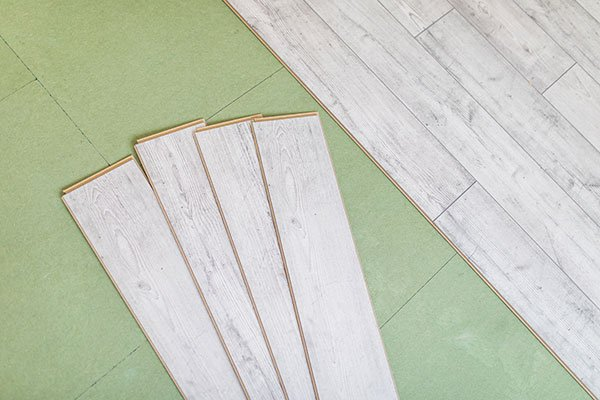
Where luan fails
Water. That is the one that undoes most luan floors. The panel is not water-resistant, so it soaks up moisture, swells, and breaks down. This is exactly why sheet vinyl over luan holds and vinyl tile over luan often does not. Sheet vinyl seals the surface as one unbroken layer; tile seams hand water a route straight to the wood underneath. Put luan in a bathroom, a laundry, a kitchen splash zone, and you are betting the topcoat never lets a drop reach the panel. It usually does, in the end. Anywhere that sees standing water, start from a moisture-rated panel and keep luan where it earns its money: a dry, smooth base under a sealed vinyl sheet.
VINAWOOD – Vietnam Plywood Supplier & Manufacturer