
Guides
153 articles found
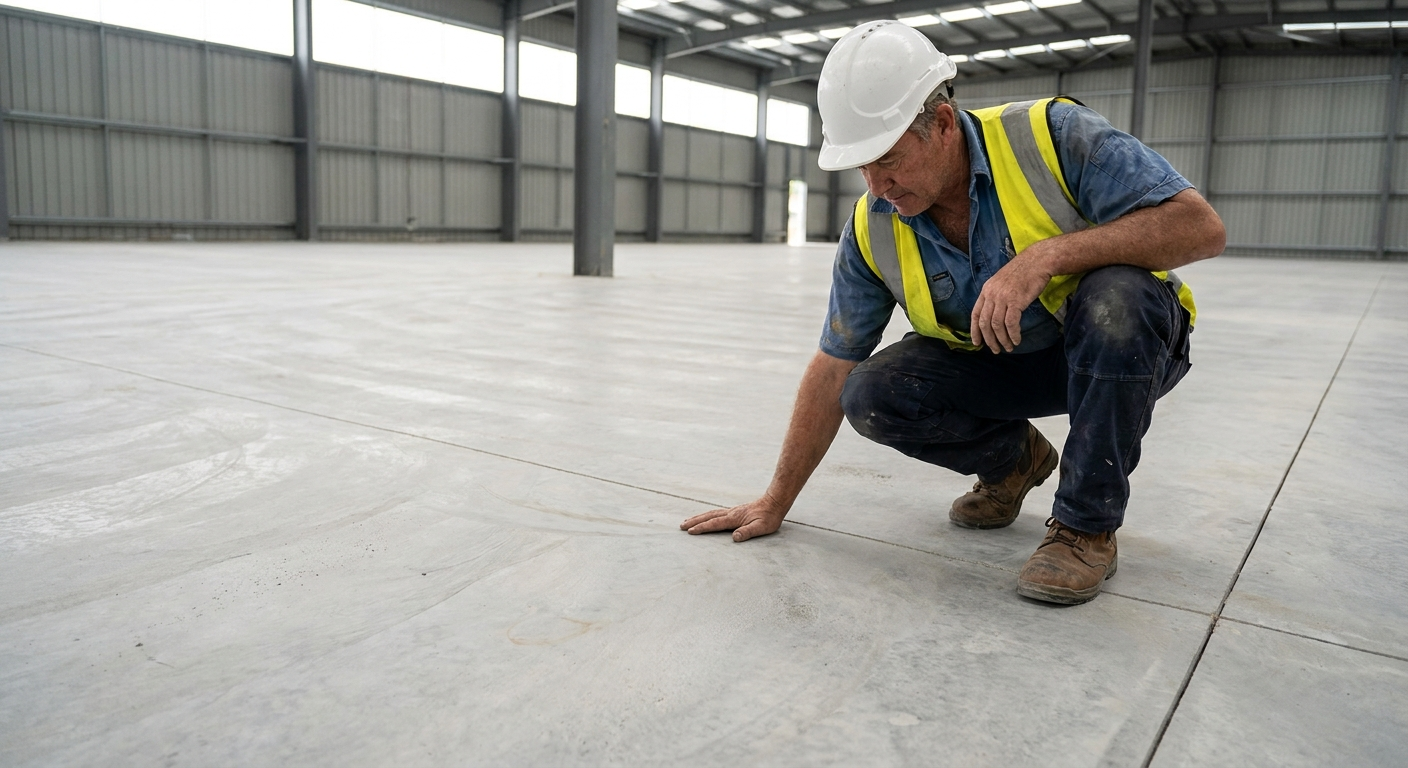
Concrete Dusting: Why Slab Surfaces Go Powdery and How to Stop It
Concrete dusting is a weak, powdery surface layer that rubs off under traffic. It comes from bleed-water finishing, poor…
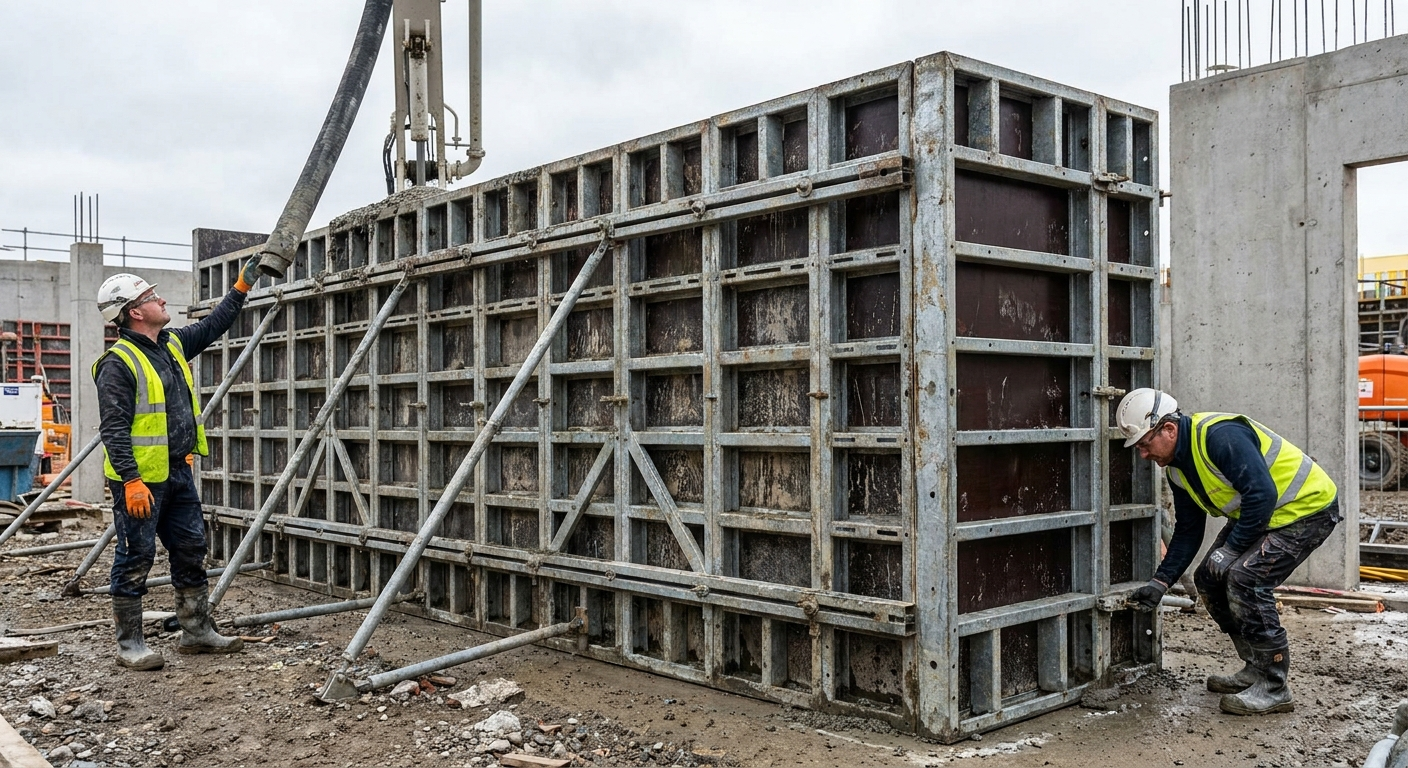
Concrete Cold Joints: Causes, Prevention & When They Matter
A concrete cold joint forms when a pour delay lets one lift set before the next is placed, so the two never bond. It is…
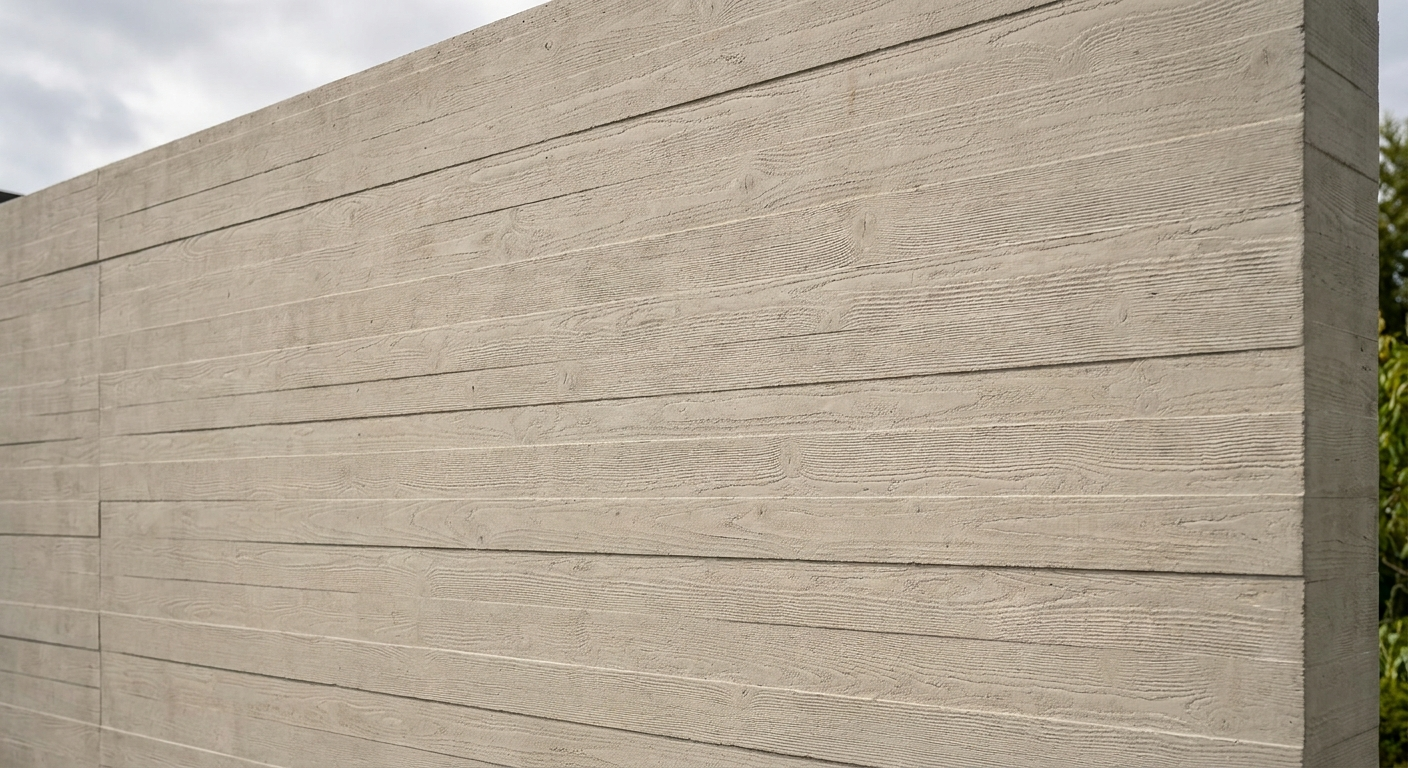
Board-Formed Concrete: How the Form Face Shapes the Finish
Board-formed concrete gets its character from the timber boards it is cast against. This guide covers how the finish is…
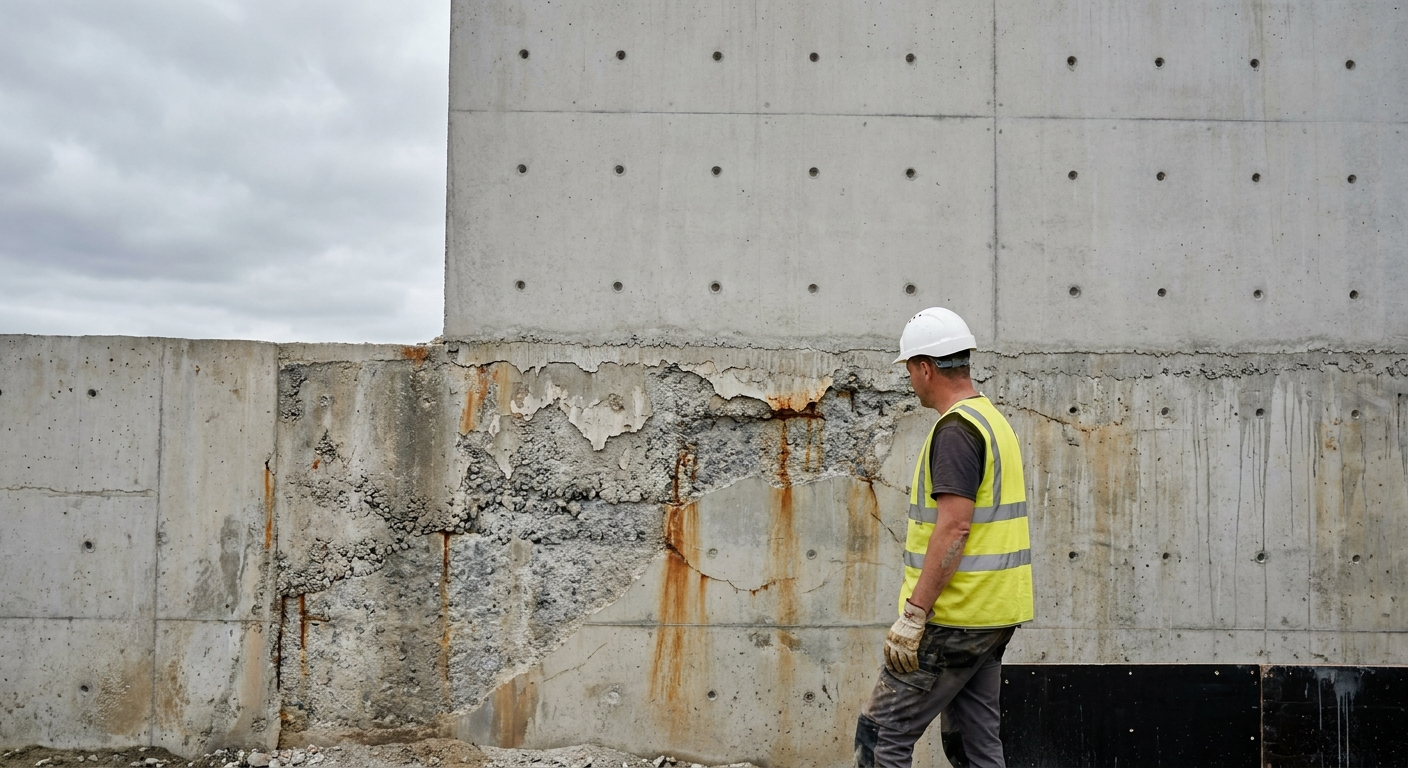
Concrete Spalling: What Causes It, How to Repair It, and How to Prevent It
Concrete spalling is surface concrete flaking or breaking away, exposing aggregate or rebar. It is a post-cure…
Bug Holes in Concrete: What Causes Them and How to Prevent Them
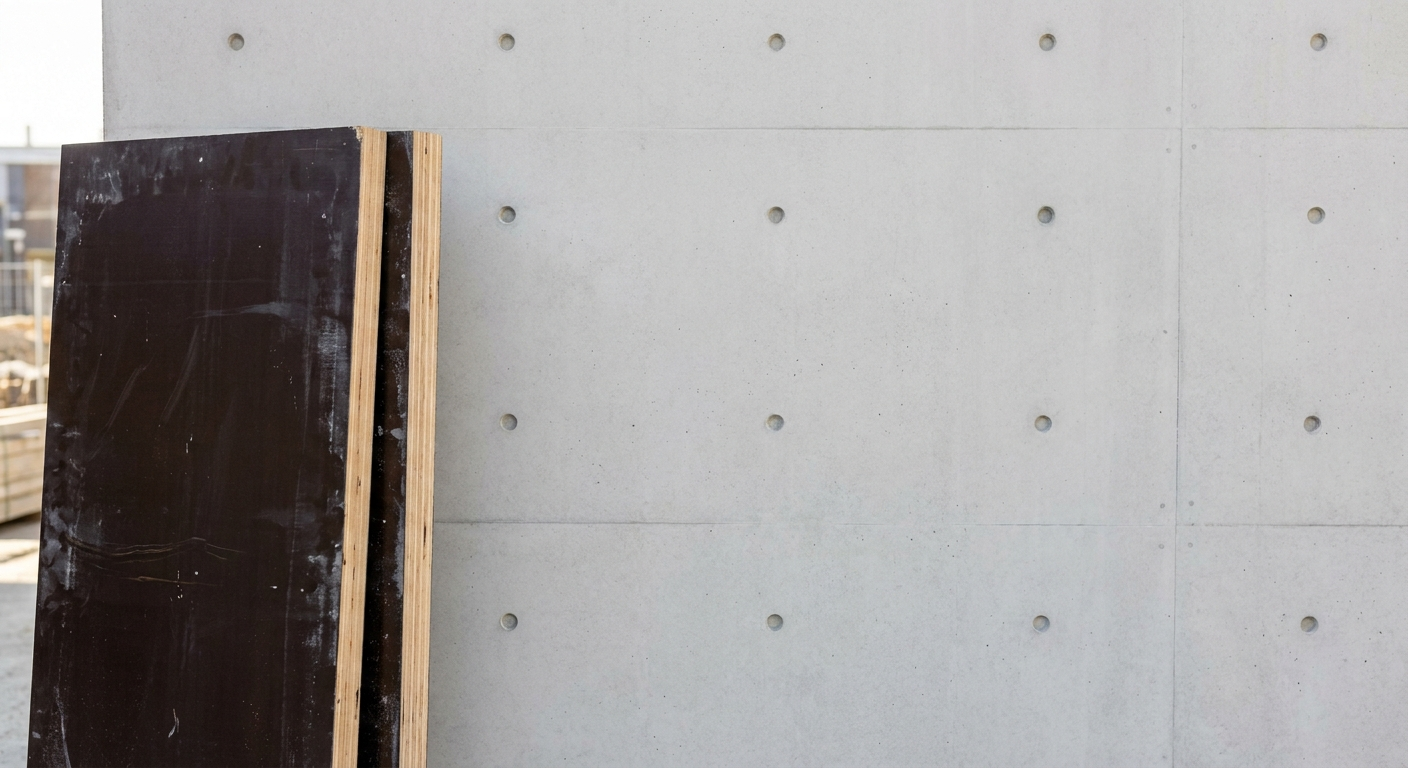
Bug holes are small surface air voids on a concrete face, driven mostly by the mix, vibration and release agent rather…
Honeycomb in Concrete: Causes, Prevention, and Where Formwork Fits
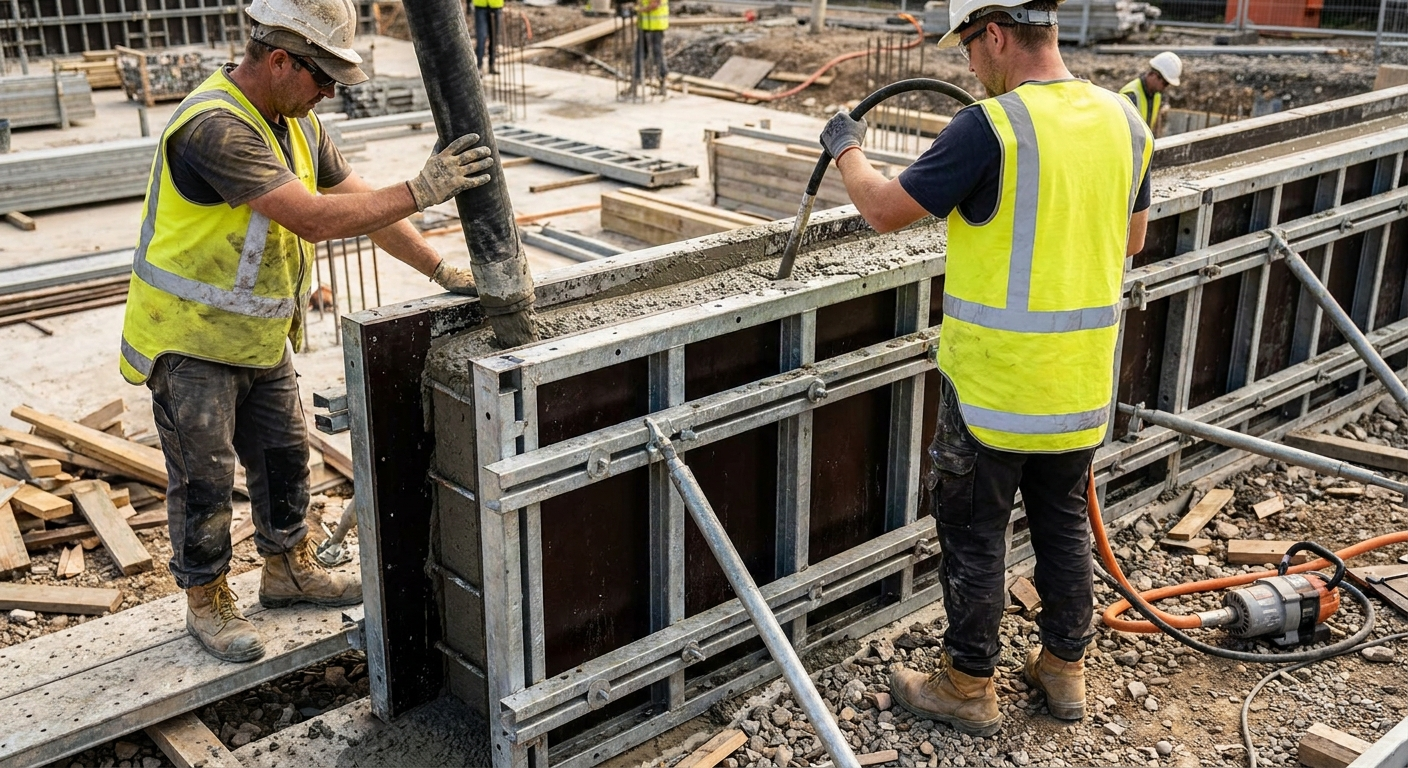
Honeycombing is rough, voided concrete where mortar failed to fill around the aggregate. Here are the real causes, how…
Fair-Faced Concrete: How Formwork and Panel Choice Drive the Finish
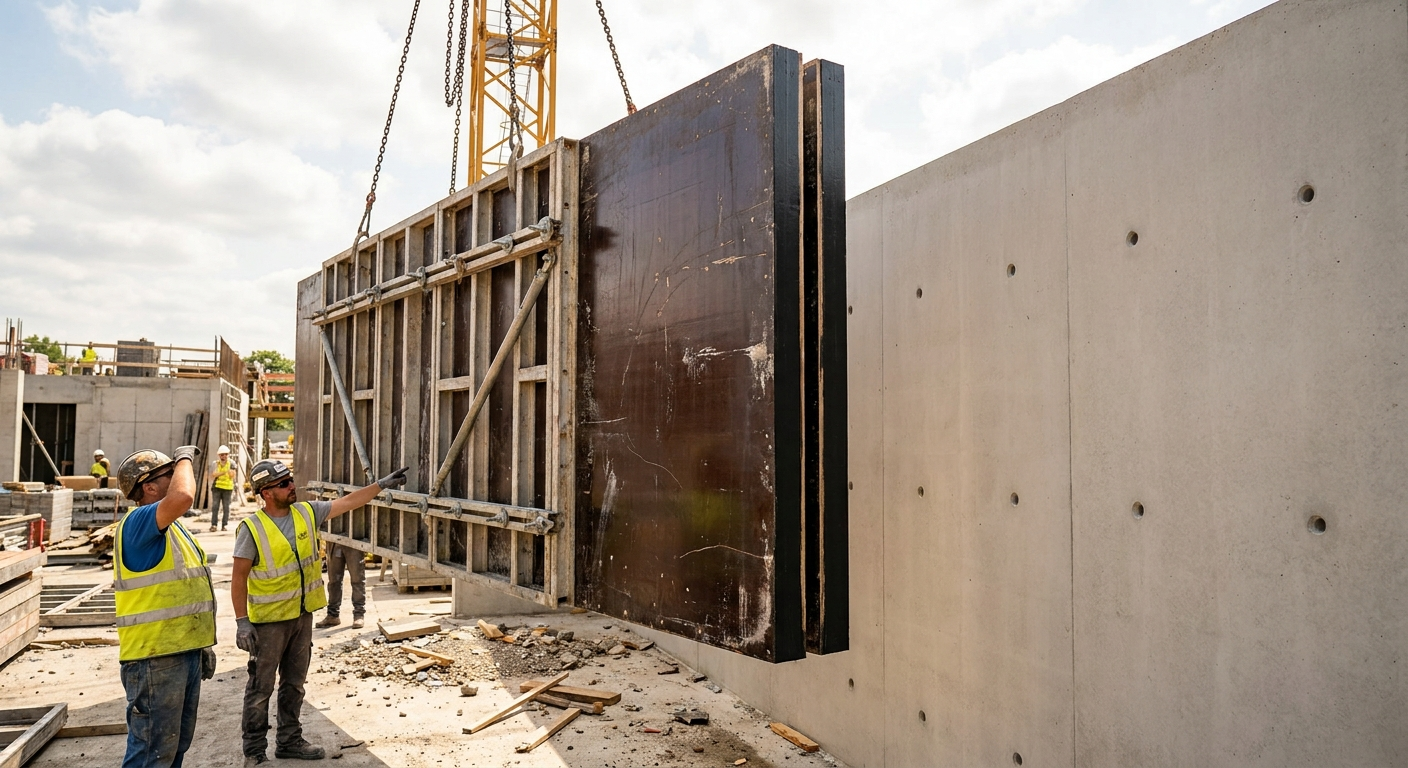
Fair-faced concrete copies the form face. Map glossy phenolic, MatteFace matte film, HDO and P-Form polypropylene, keep…
Single-Sided Formwork: How One-Sided Wall Forming Works — and Where the Plywood Sits
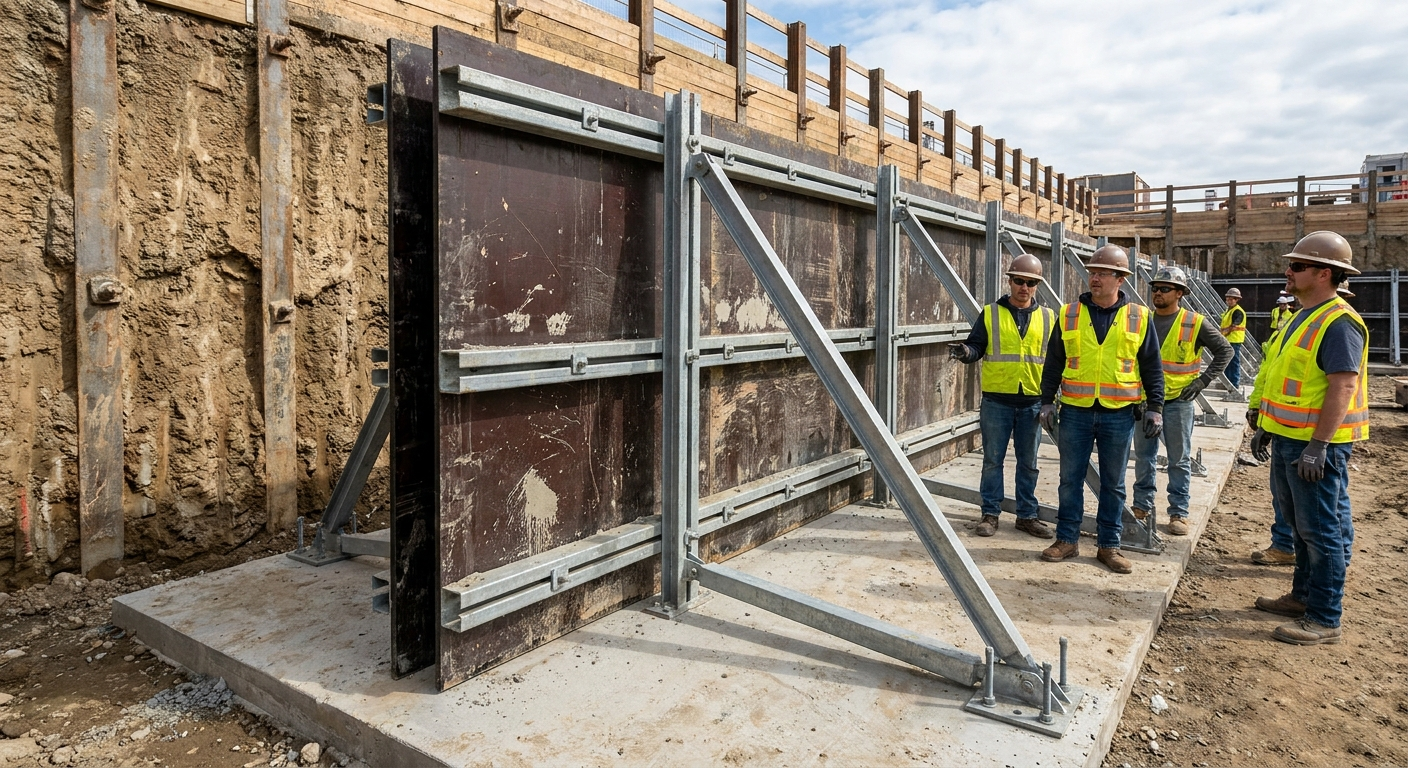
Single-sided formwork casts a wall with access on one side only. How the bracing carries the concrete pressure without…
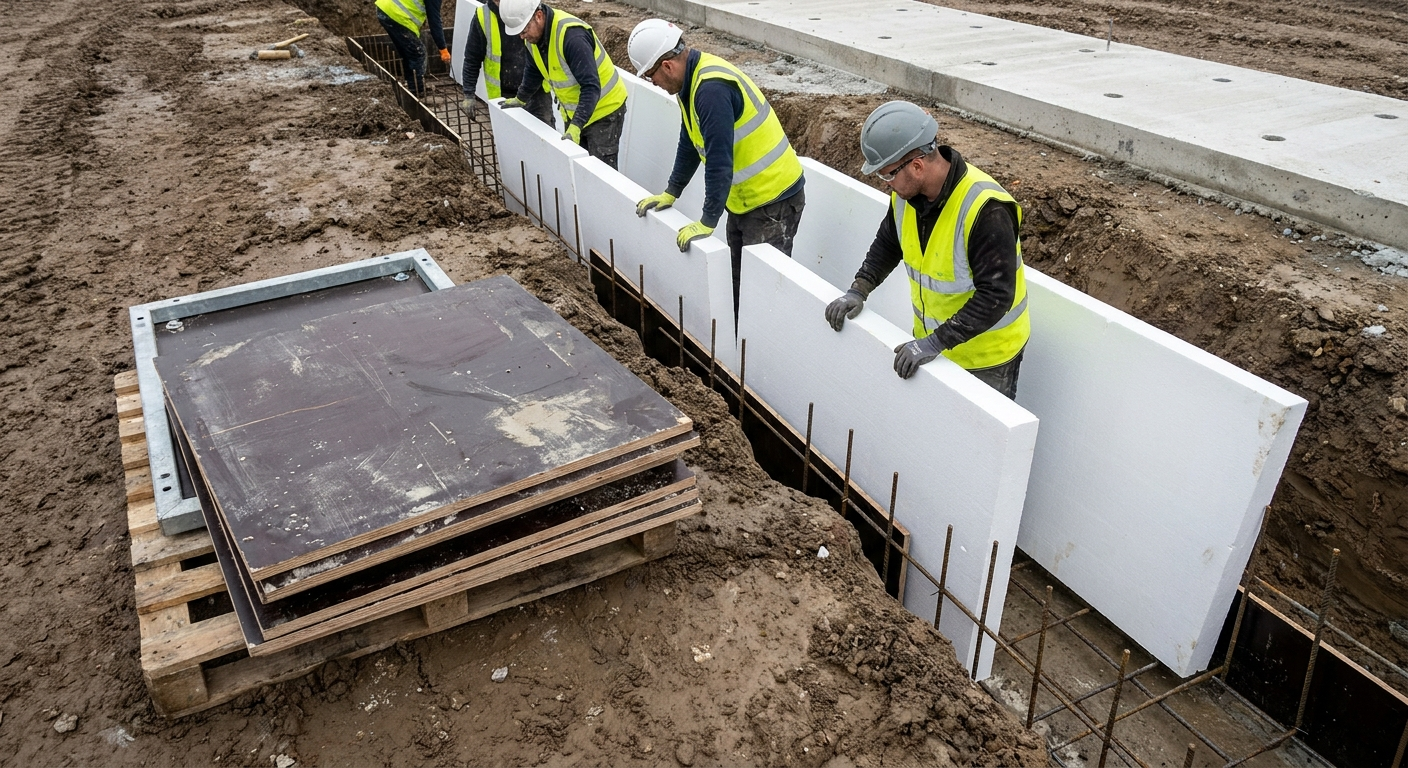
Permanent Formwork (Stay-in-Place): How It Works, When It Pays — and When Reusable Wins
Permanent (stay-in-place) formwork stays cast in the pour instead of being struck and reused. What the material families…
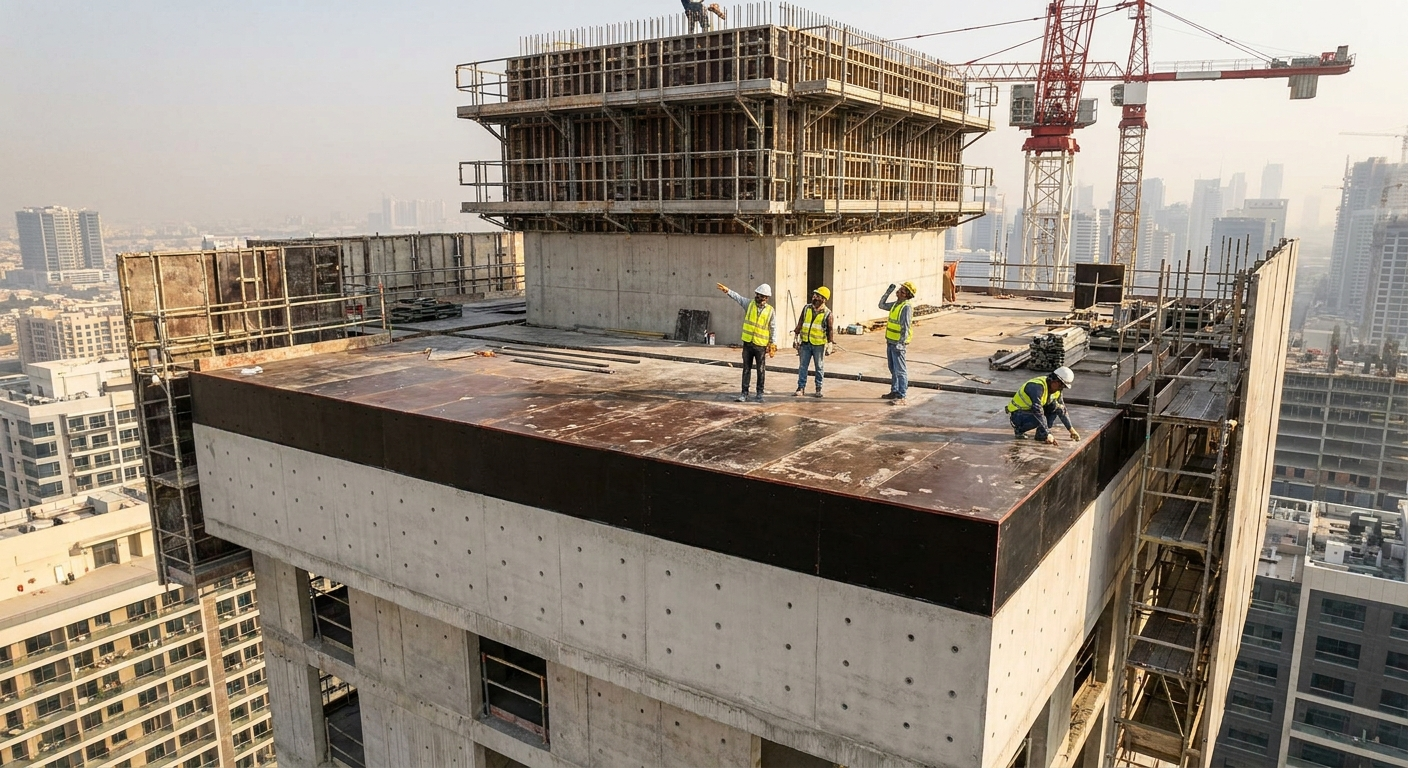
Slipform Construction: How Continuous-Pour Formwork Works (and the Panel Behind It)
Slipform construction casts concrete continuously as a hydraulic rig climbs without stopping, leaving no cold joints.…
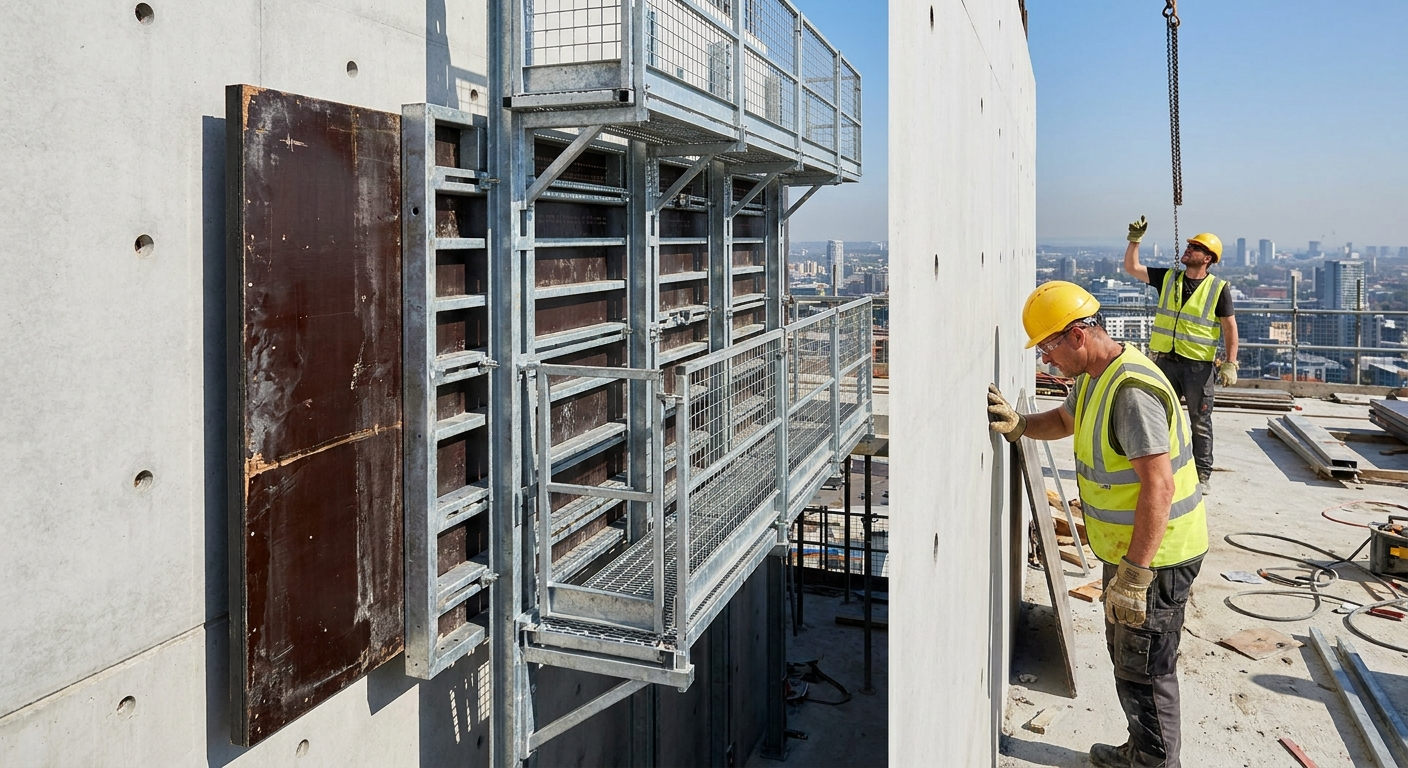
Climbing Formwork (Jump Form): How It Works and the Panel That Faces the Concrete
Climbing formwork (jump form) rises with the structure after each lift. Vinawood supplies the film-faced or HDO face…
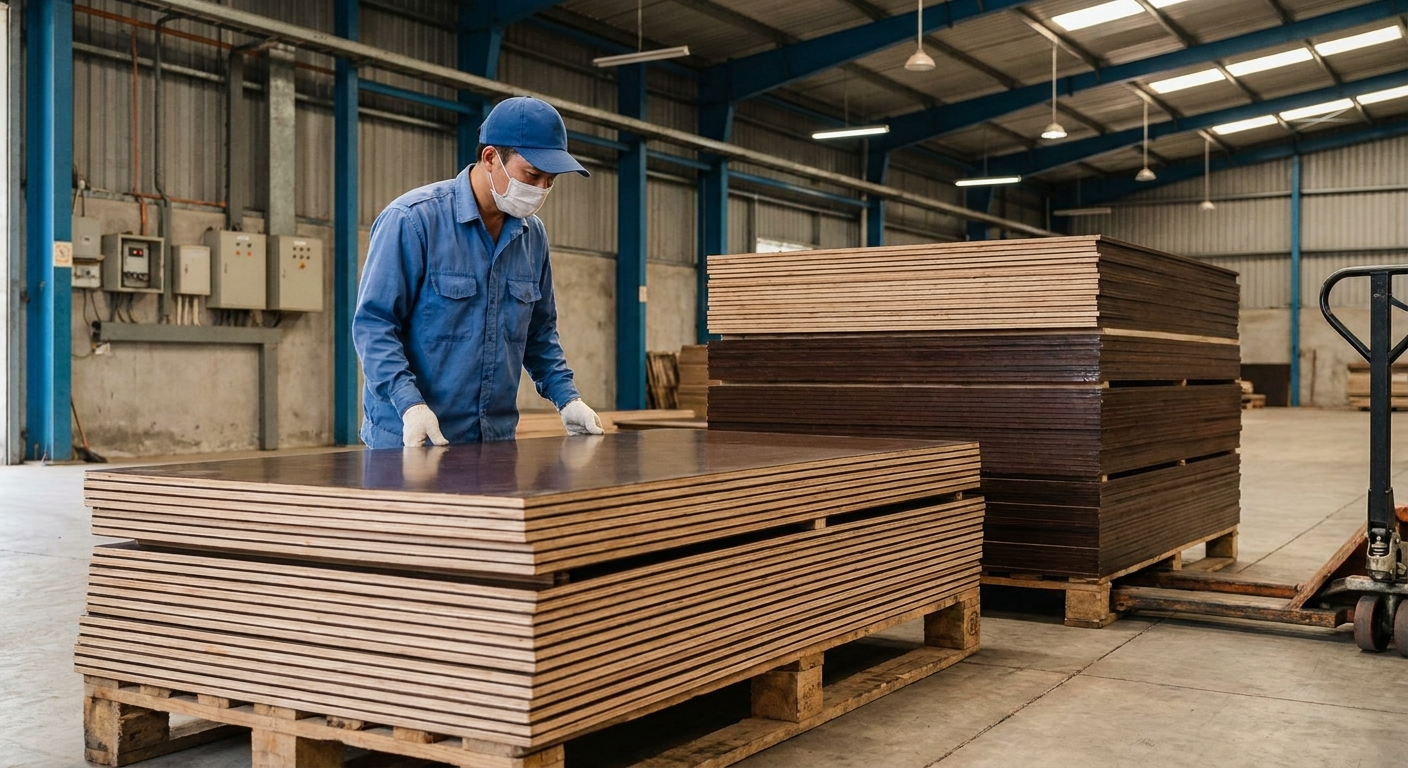
1 Inch Plywood: Thicknesses, Strength, Sheet Types & Buying Guide
True 1 inch plywood exists, but most "1 inch" panels are nominal. This guide covers real thickness, the sheet types sold…