
Guides
153 articles found
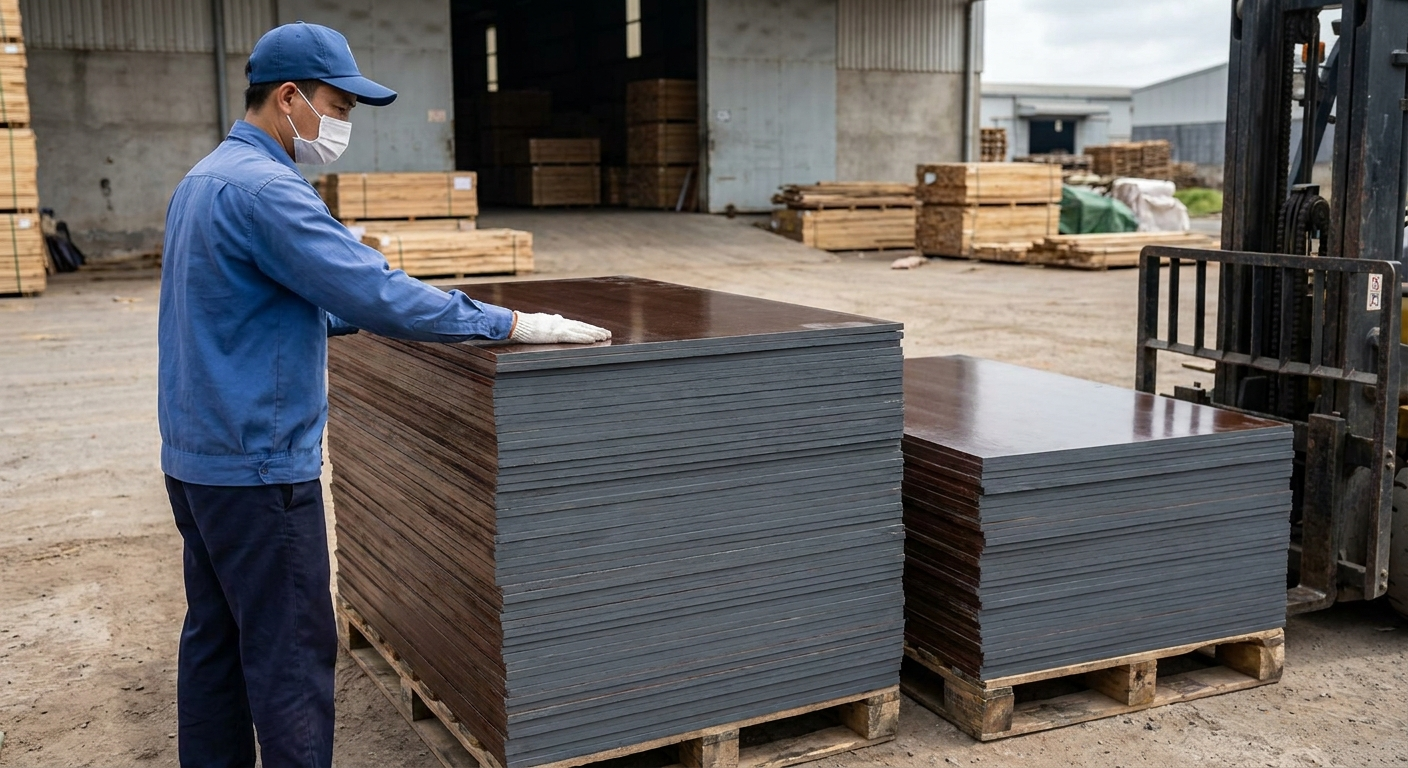
Plywood Price: How Export Buyers Read FOB, Sheet, and Container Quotes
A buyer-side guide to export plywood price: what FOB, CIF, and DDP actually include, which spec and container choices…
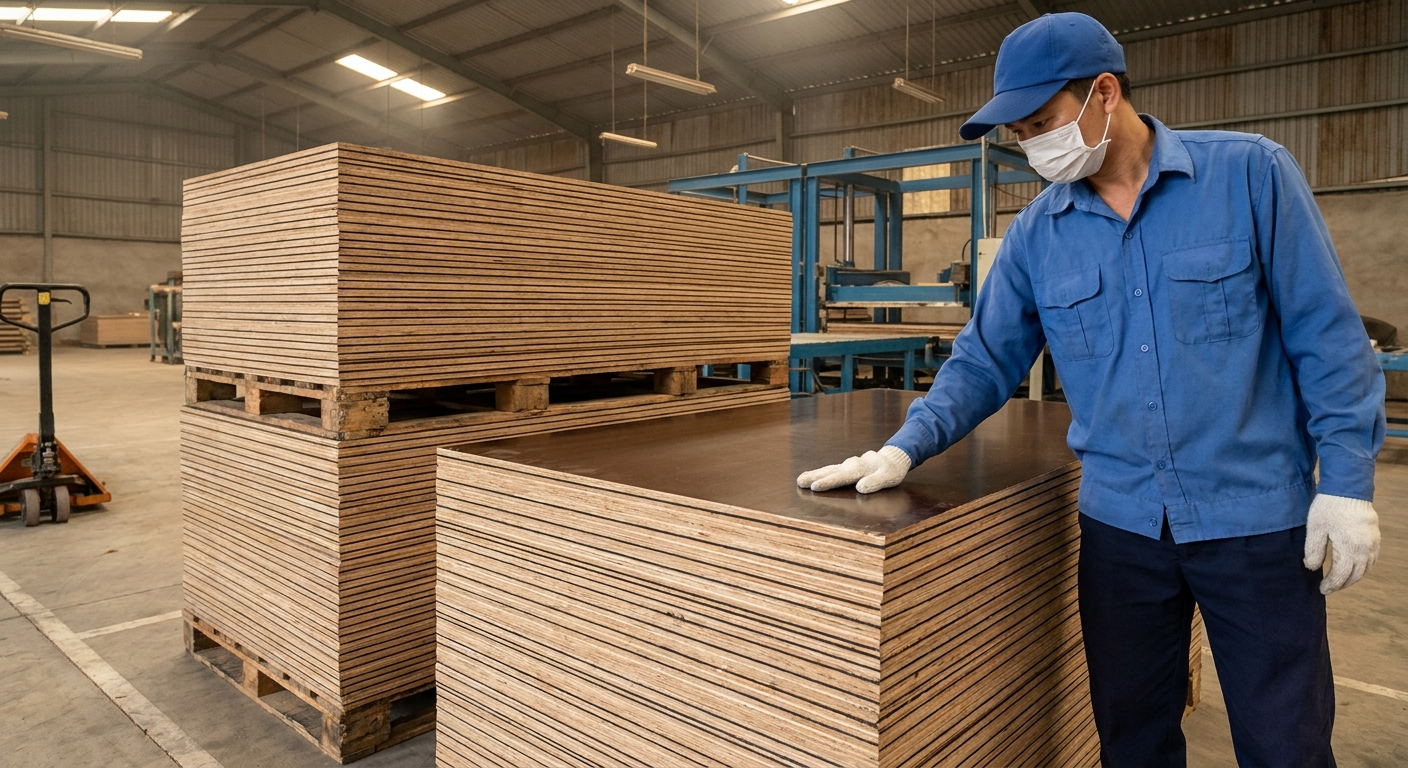
OEM Logo Film-Faced Plywood from Vietnam: Distributor RFQ Guide
A practical RFQ guide for importers and distributors sourcing custom logo film, private-label packing, and white-label…
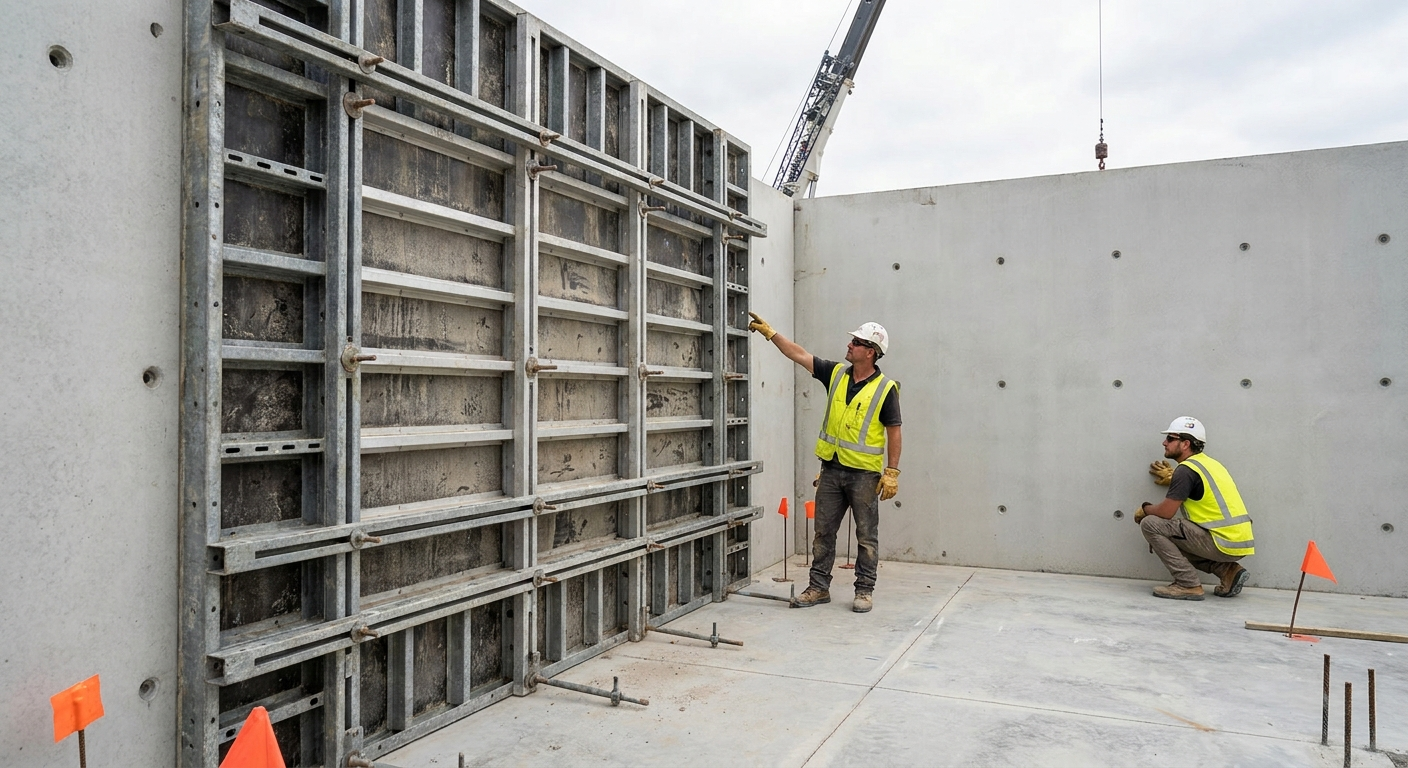
Formwork Plywood Design Basics: Concrete Pressure, Panel Deflection & Tie Spacing
Formwork plywood design comes down to three things the panel spec answers to: fresh concrete lateral pressure,…
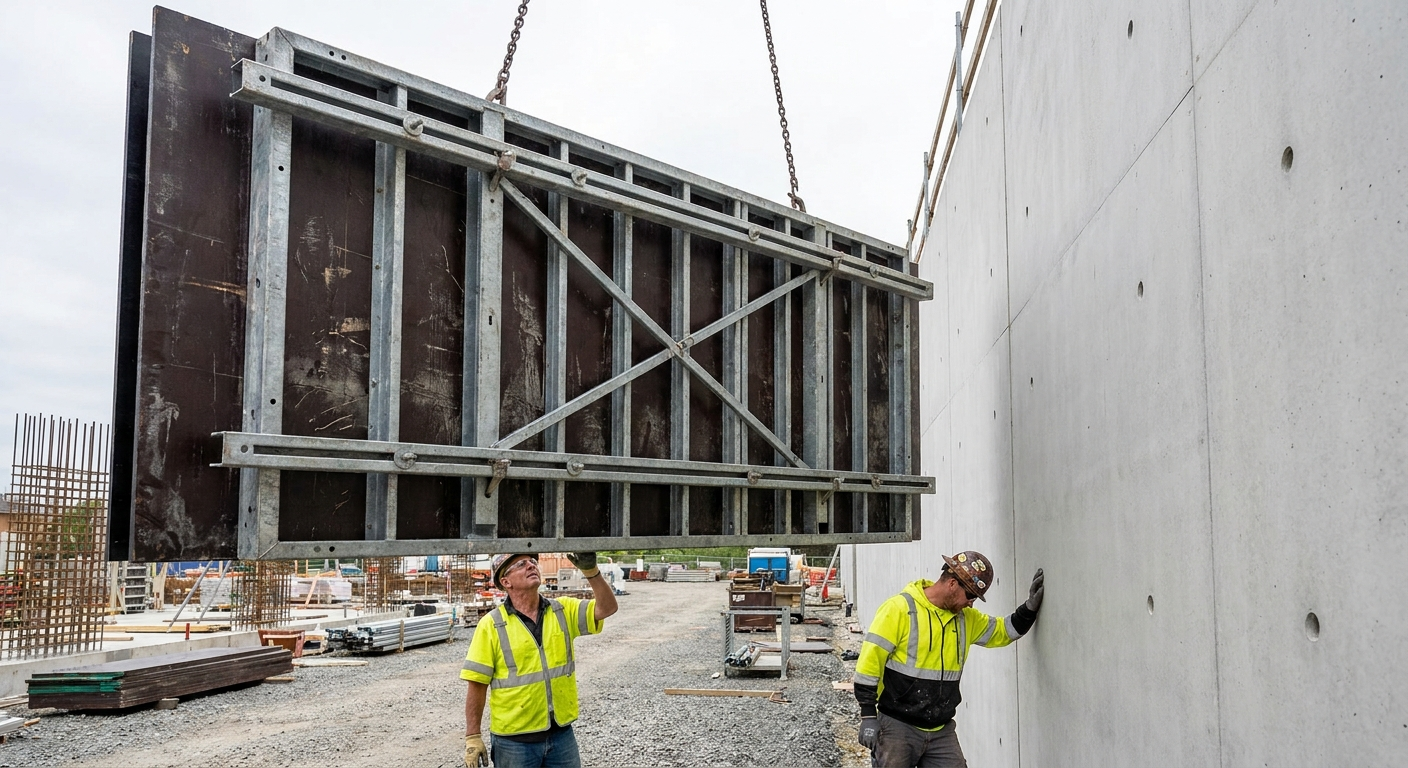
When to Remove Concrete Formwork: Stripping Times by Element
When to remove concrete formwork: strip a strength, not a calendar day. Vertical faces, soffits, and props follow…
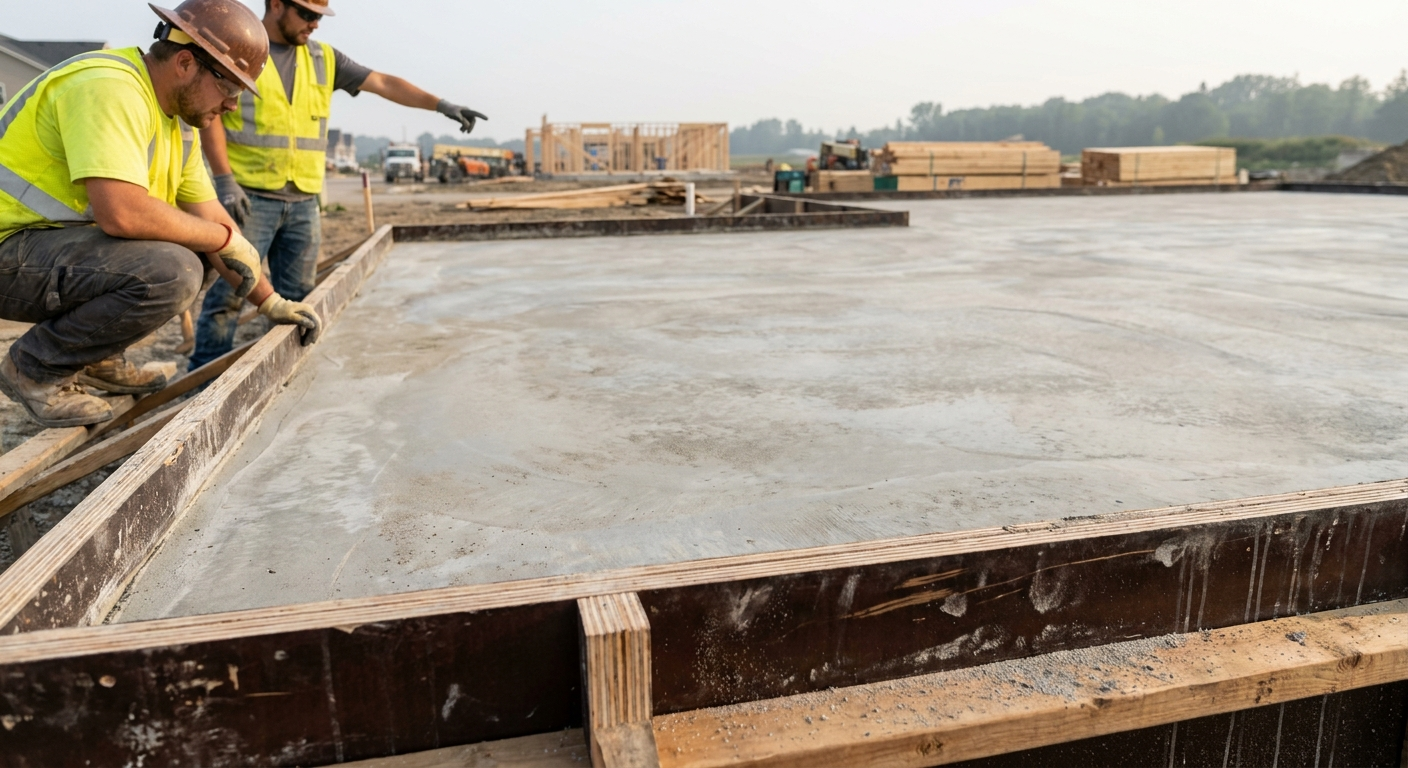
Concrete Discoloration: Why It Happens and Whether You Should Worry
Concrete discoloration is uneven surface color — blotches, dark spots, leopard spots. On new concrete it is usually…
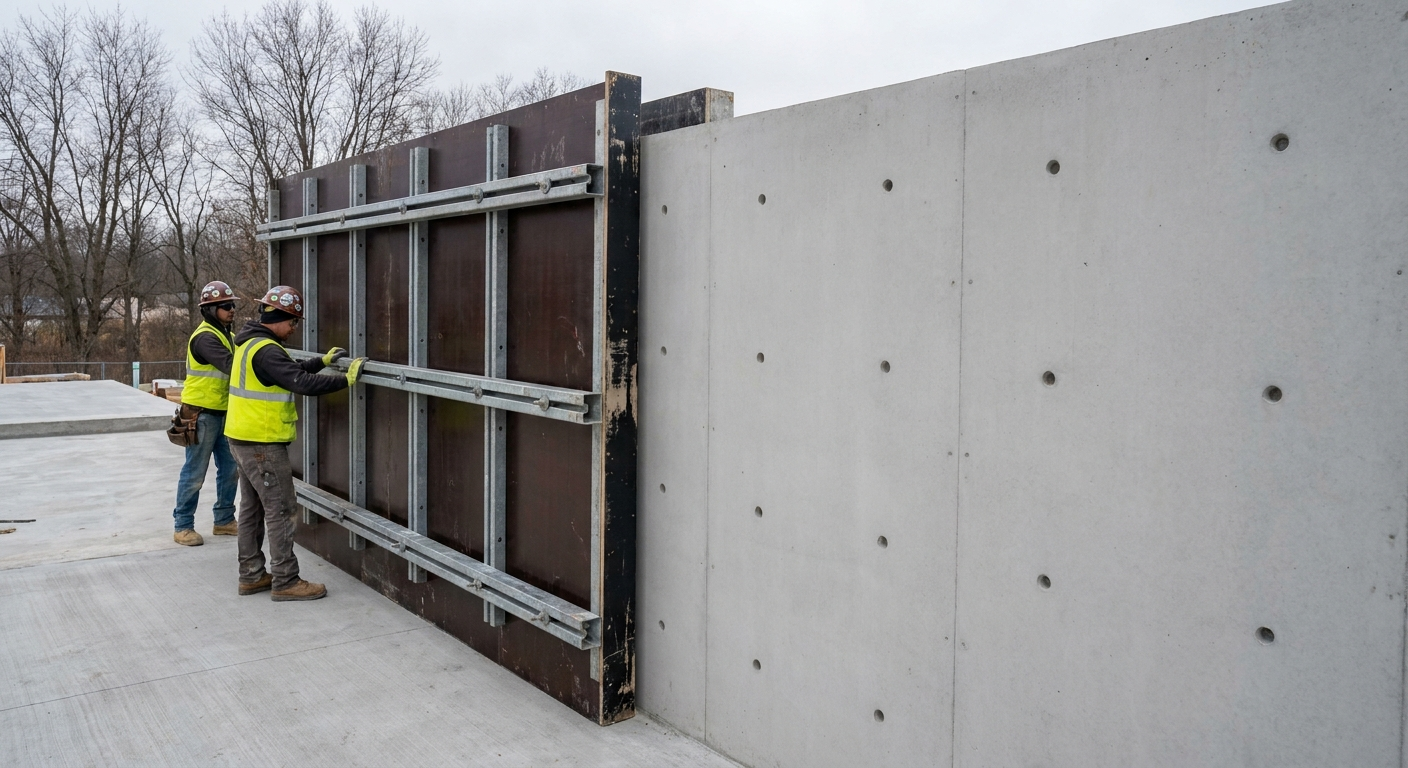
Concrete Scaling: Causes, Severity Levels, and How to Prevent It
Concrete scaling is the flaking or peeling of the hardened surface mortar, driven mainly by freeze-thaw and de-icing…

Concrete Pitting: Causes, Prevention & When It Signals a Real Problem
Concrete pitting is a scatter of small surface craters, driven mostly by the mix, finishing, de-icing salt and trapped…

Concrete Crazing: What Those Fine Surface Cracks Mean (and What They Don't)
Concrete crazing is a fine, shallow web of map or alligator cracks on a concrete surface. It is cosmetic, not…
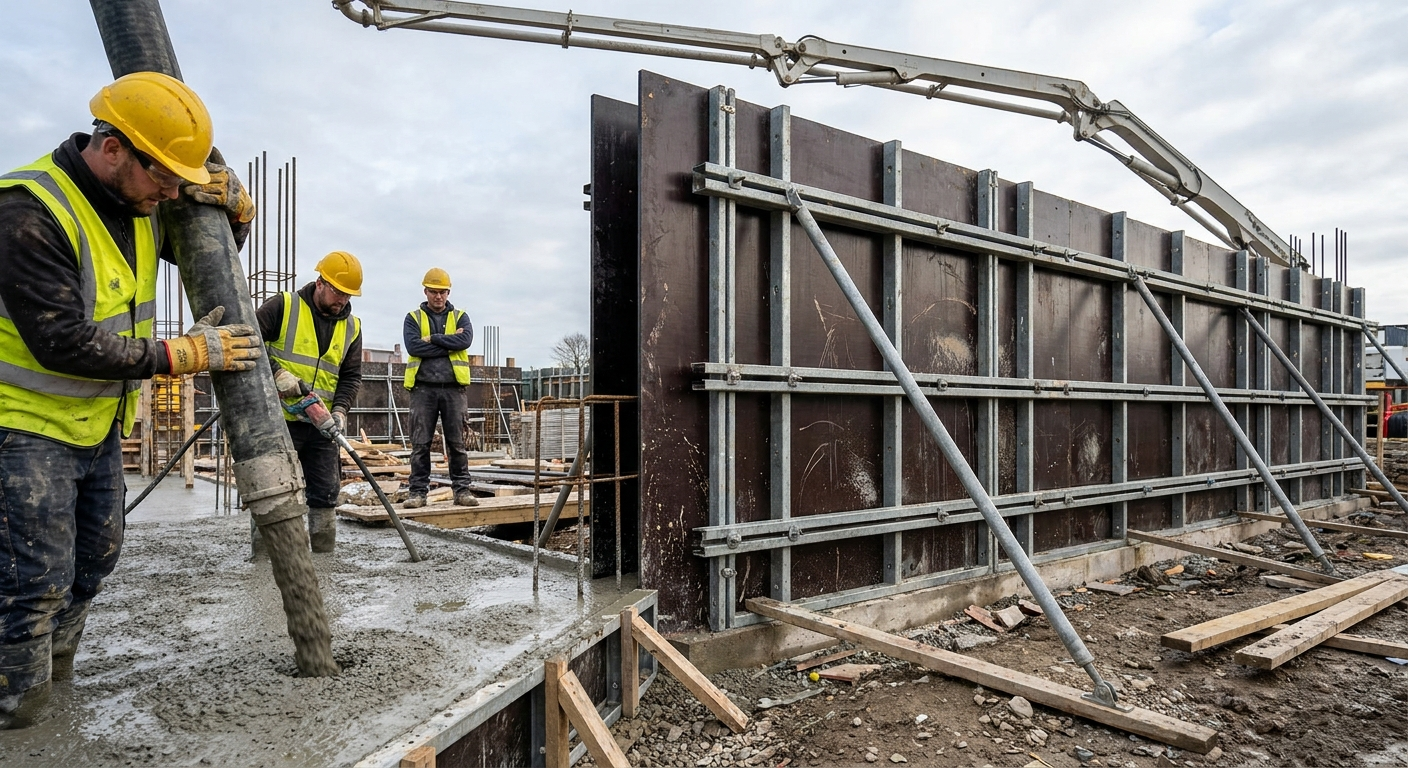
Concrete Blistering: Causes, Prevention, Repair — and Where Formwork Actually Fits
Concrete blistering is hollow surface bumps on a troweled slab, caused by sealing the surface too early over rising…
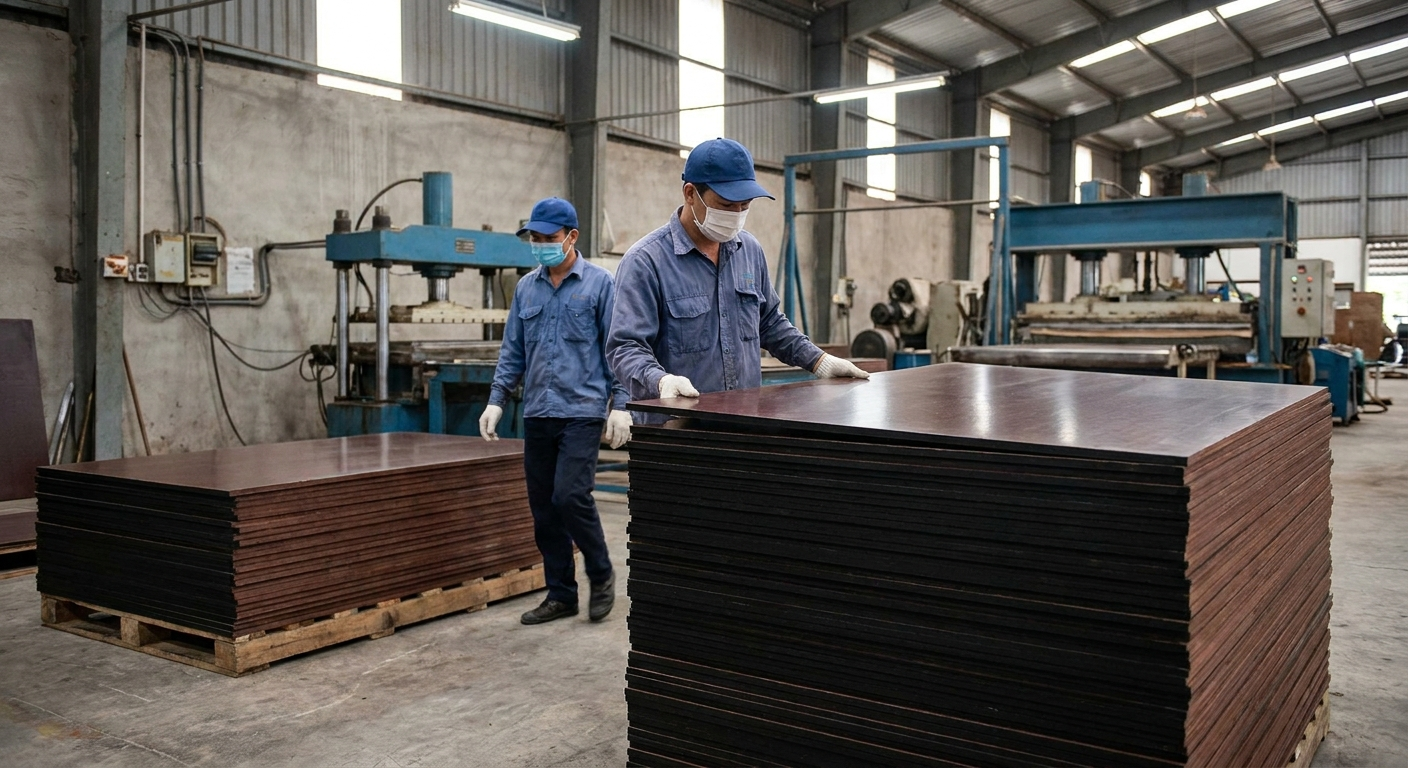
Concrete Delamination: Why the Surface Separates and Where Forming Fits In
Concrete delamination is a thin troweled top layer separating from sound concrete below, usually because the surface was…
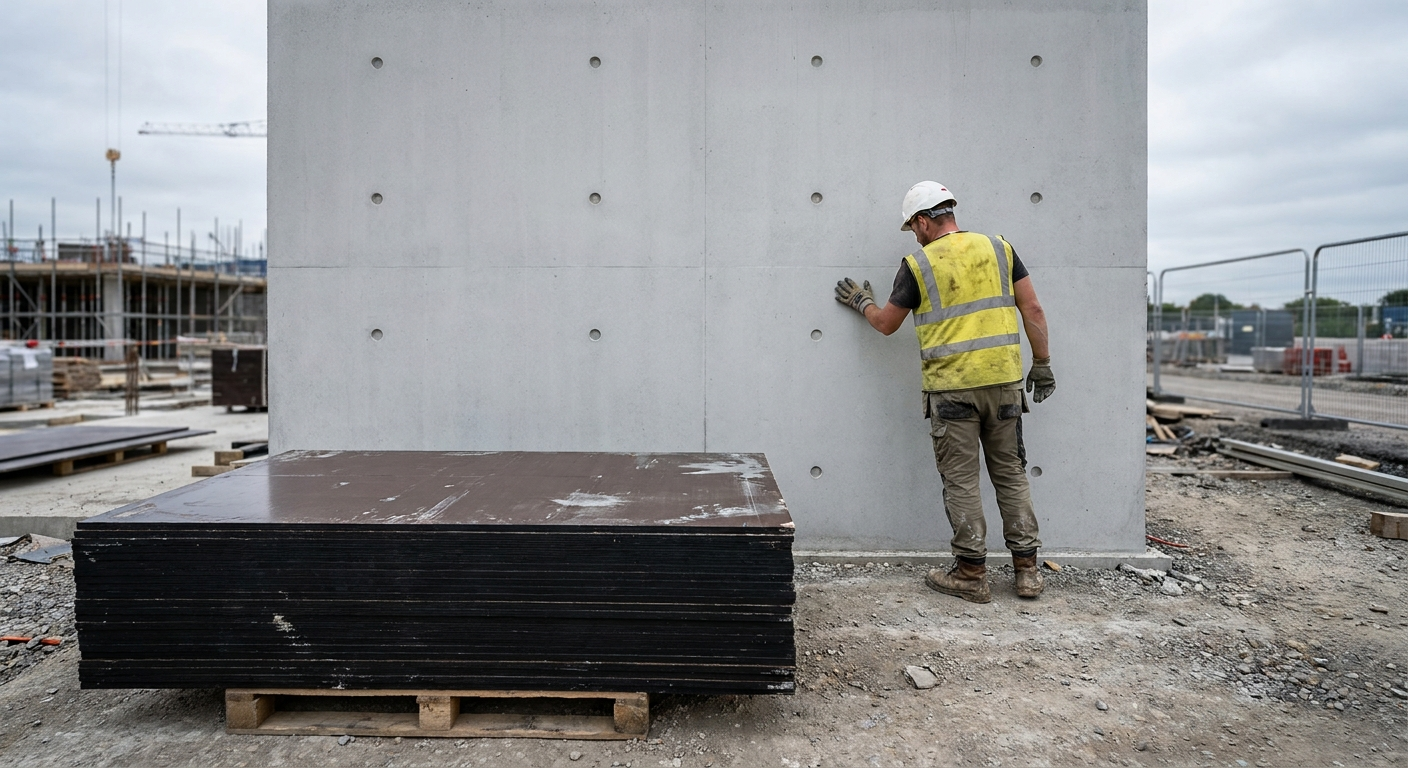
Concrete Pop-Outs: Causes, Prevention, and the Form-Face Connection
Concrete pop-outs are small cone-shaped craters left when a reactive aggregate particle near the surface fractures the…
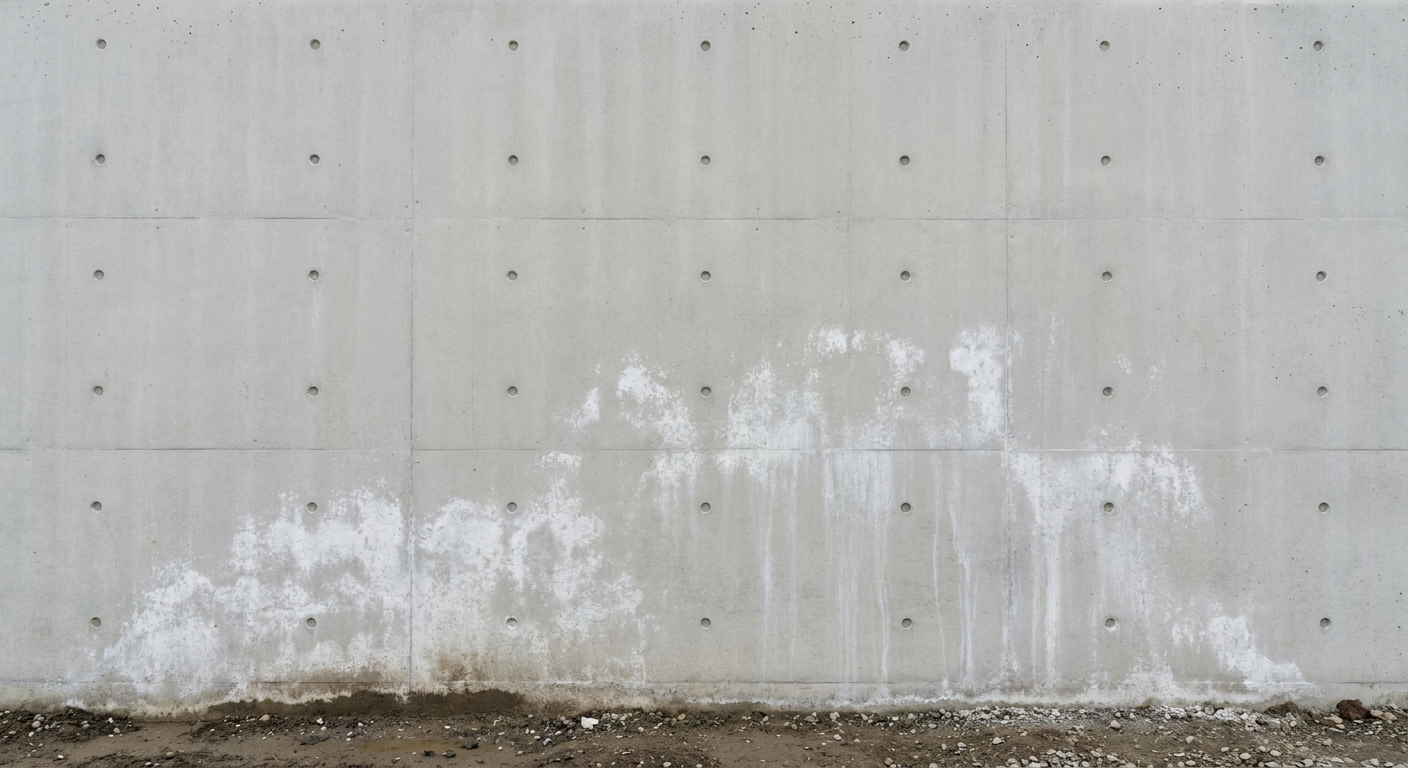
Concrete Efflorescence: What the White Residue Means and How to Handle It
Efflorescence is the white residue that soluble salts leave on concrete when moisture carries them to the surface and…