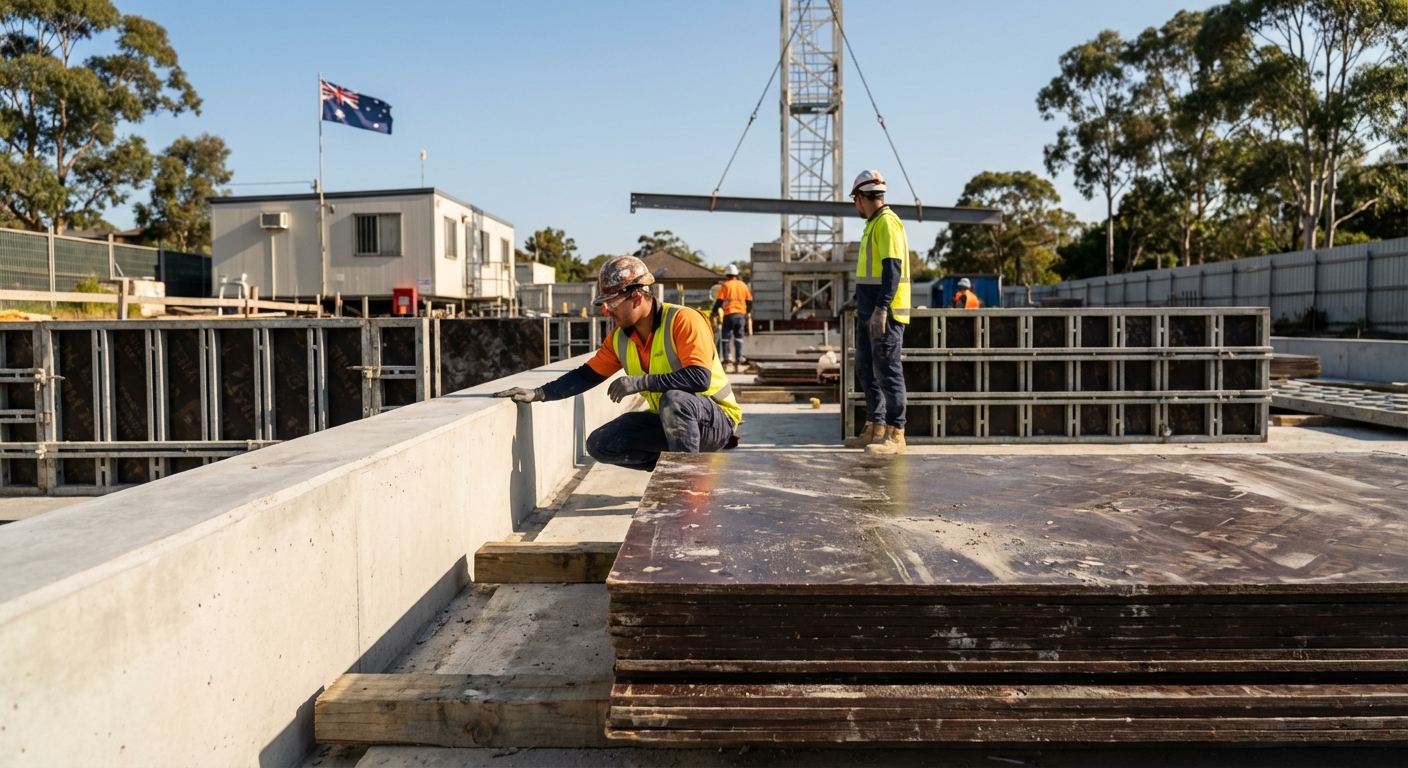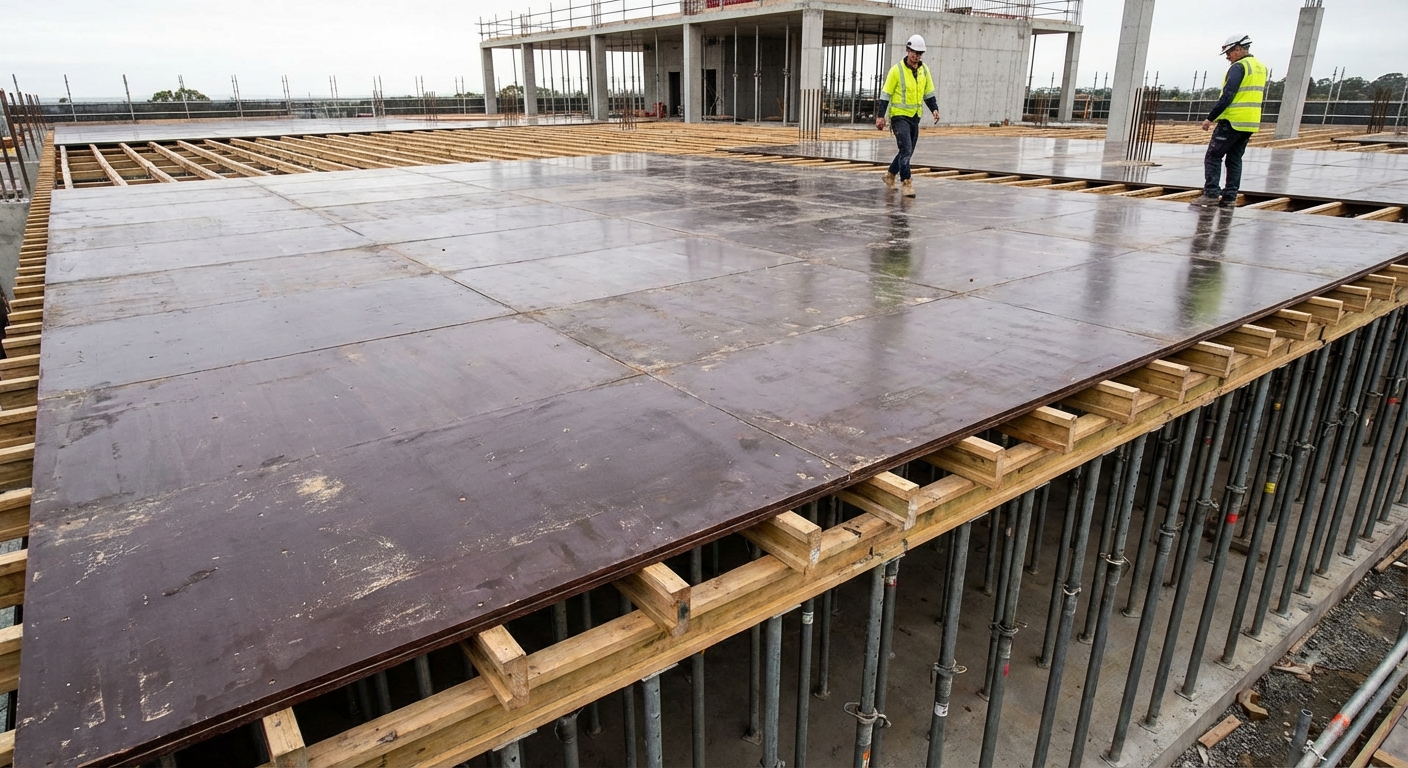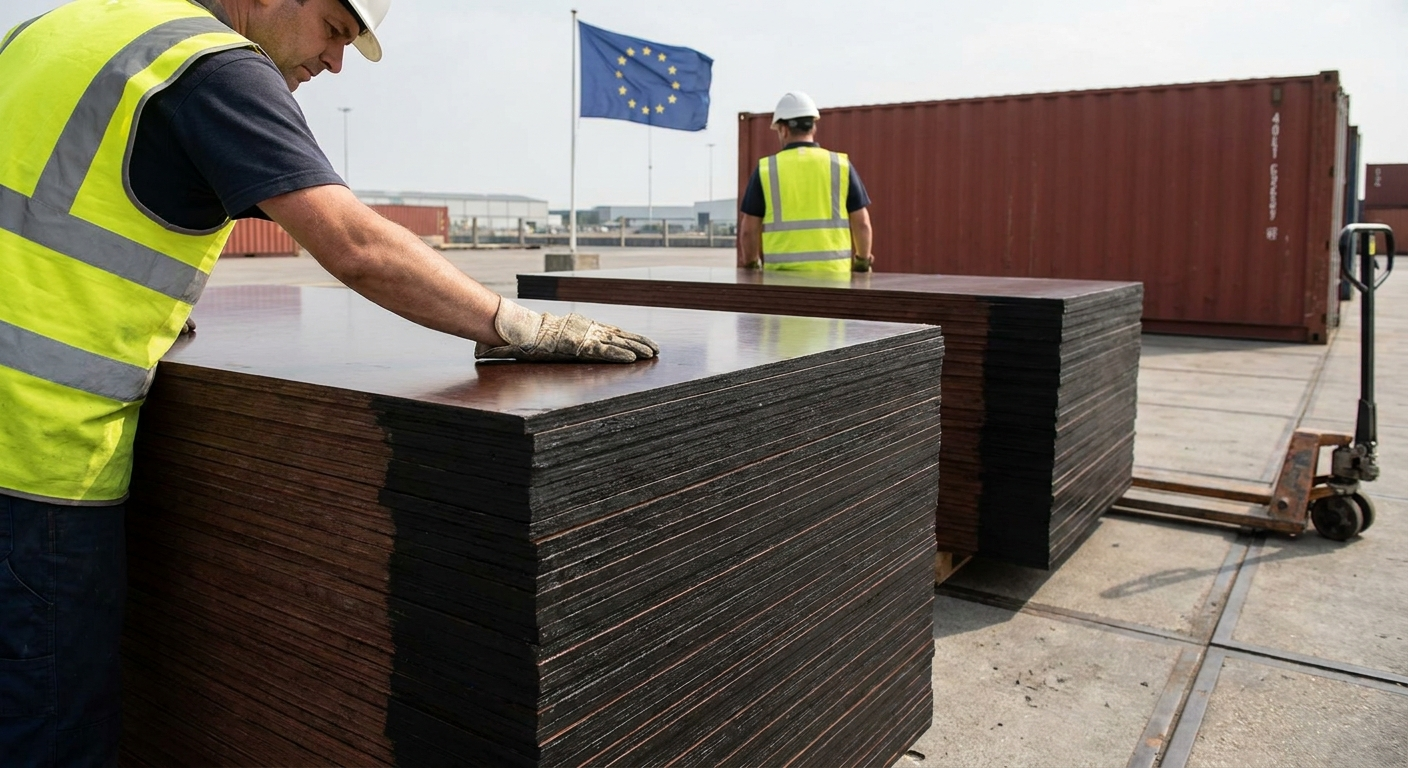
Form Ply Australia: Formwork Plywood Guide for Australian Builders
Australian form ply mapped to Vinawood film-faced, HDO and MatteFace grades. F17 talk without inventing certificates, cost-per-pour over sheet-price tables, and reuse written as up to N.
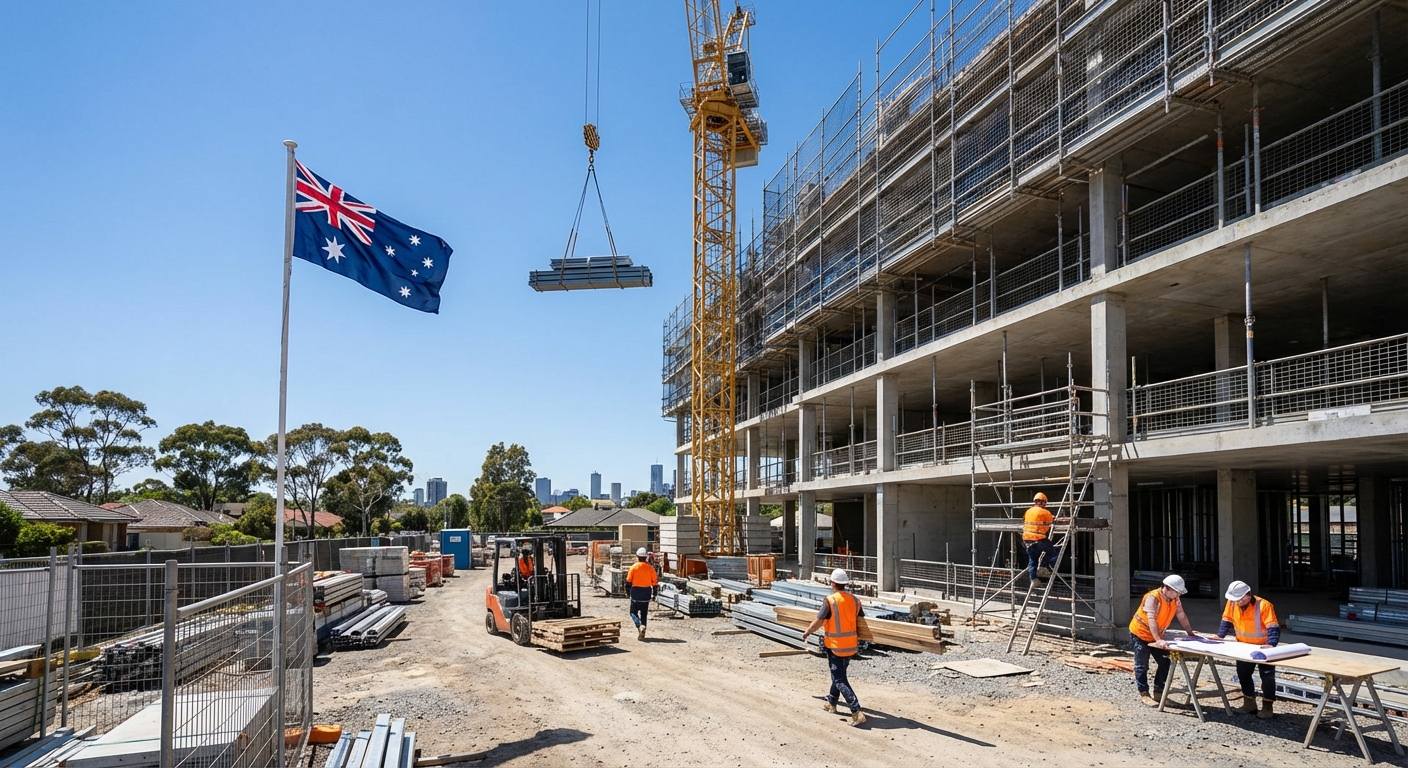
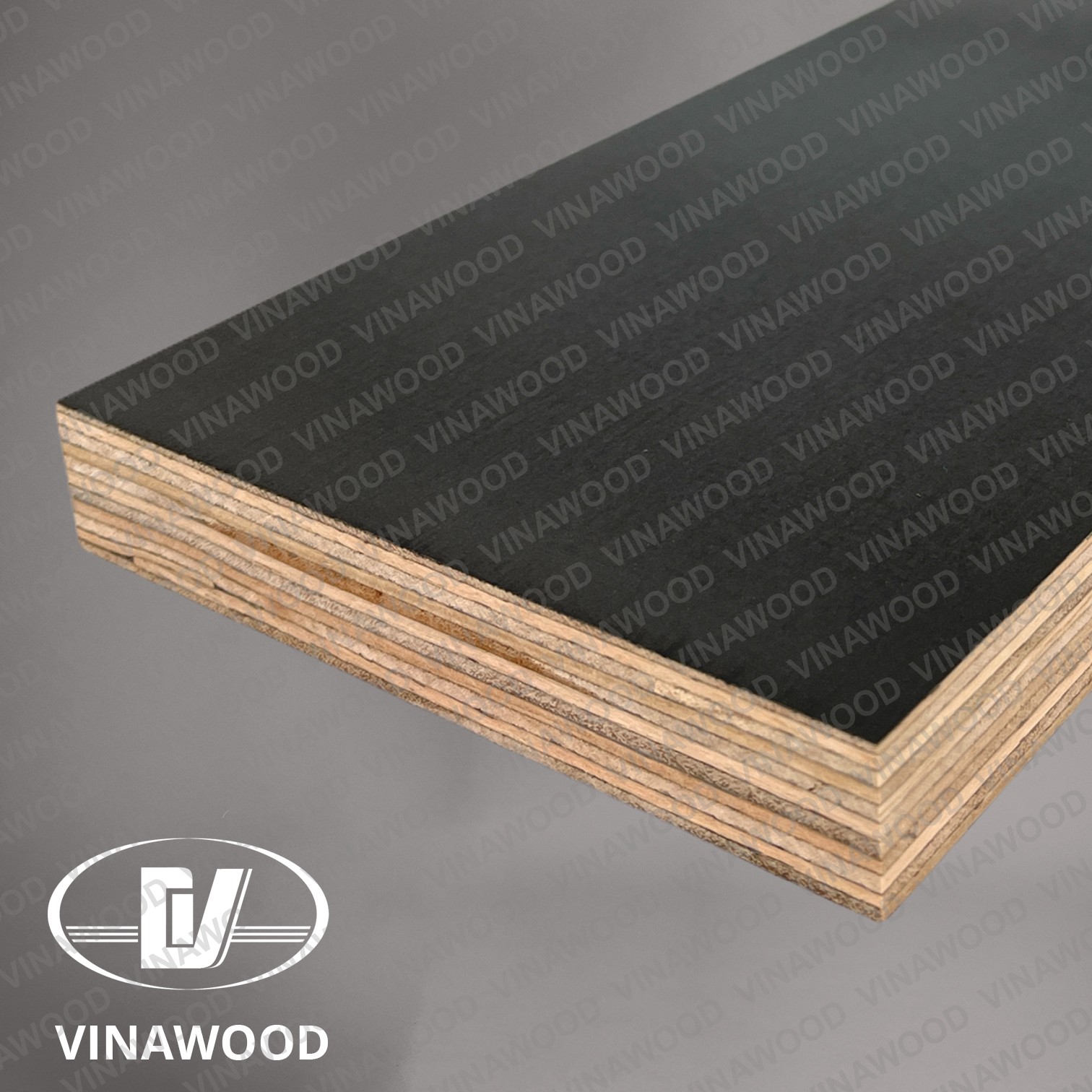
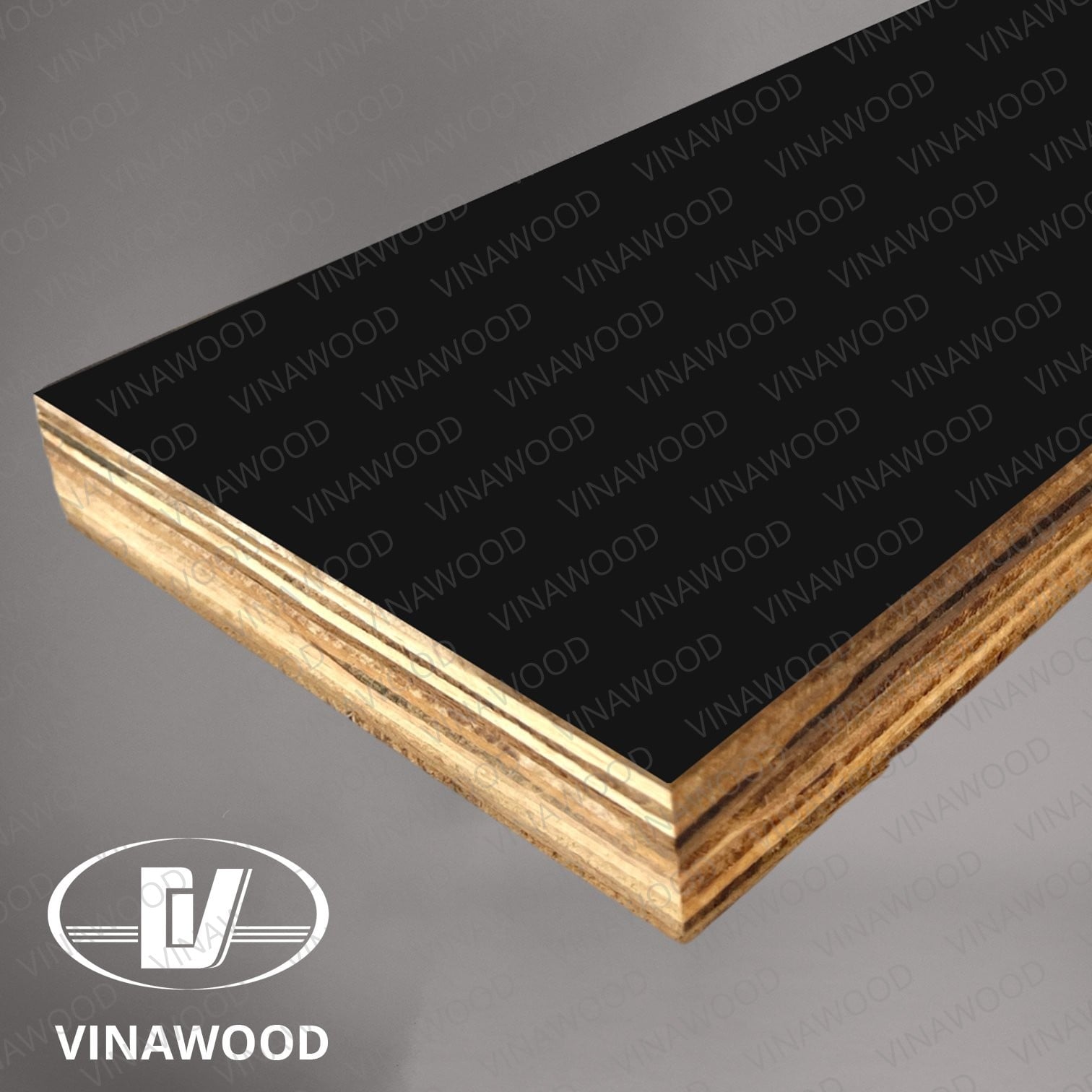
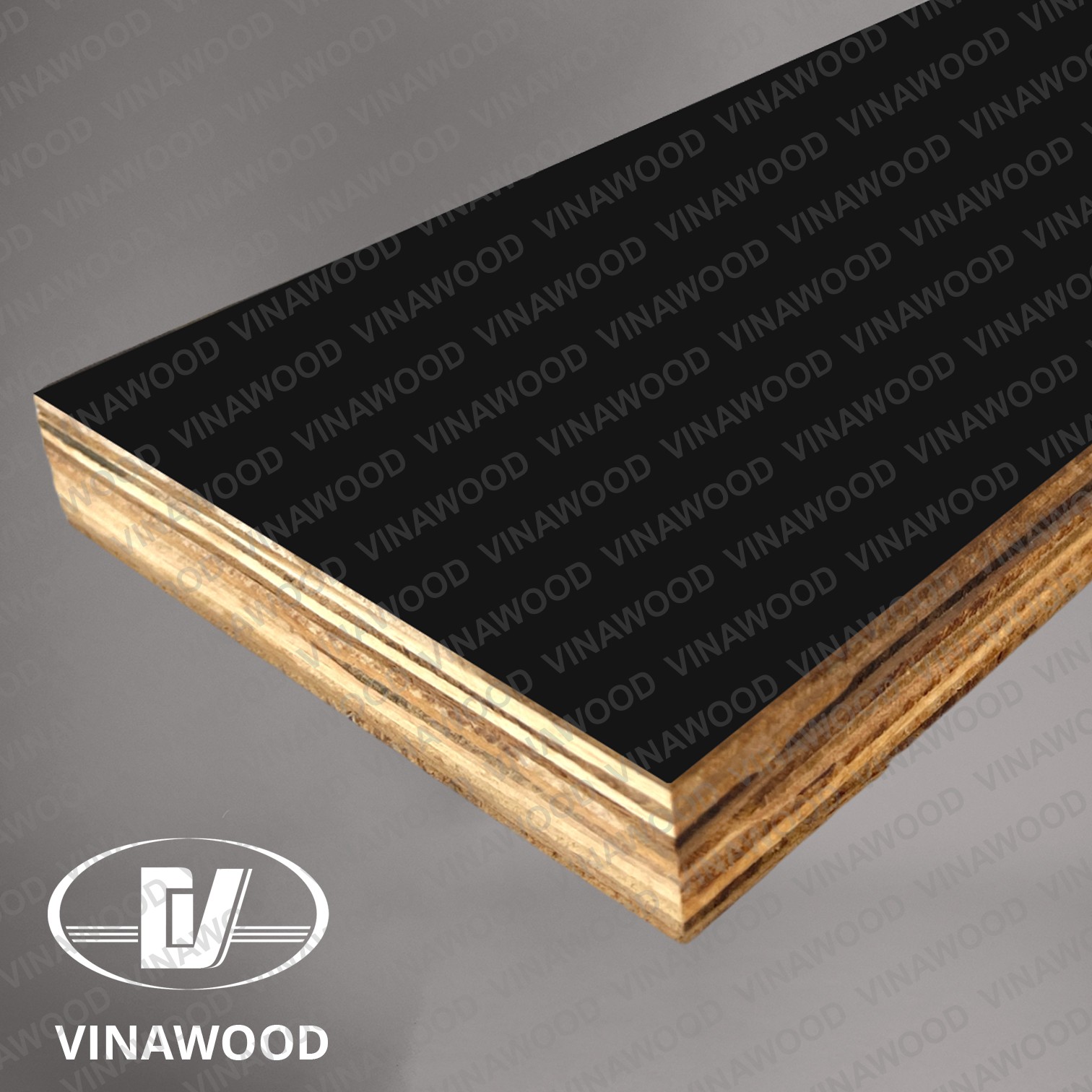
Form ply Australia buyers usually mean phenolic film-faced formwork plywood sized for local sheets and spoken about with F17 / AS/NZS 2269 language. The job is the same as film-faced formwork anywhere: a water-resistant WBP bond, a face that strips clean, and a reuse plan written as up to N pours with real site care.
This page maps how Australian grade talk lines up with Vinawood's film-faced, HDO, and MatteFace ranges. It does not invent an F17 certificate for Vietnam panels. Cost-per-pour beats a retail sheet price. Sheet dollars change with freight and FX; reuse and face quality decide the landed number that matters.
What Australian buyers mean by form ply
Form ply (formply, form plywood) is structural plywood built for concrete formwork. The face is a resin film, not bare veneer. The bond follows Type A / WBP thinking under AS/NZS 2269 talk. On site the sheet has to hold span, release cleanly, and survive more than one pour without the face tearing off in the paste.
F17 is the structural grade most commercial AU takeoffs name. The F-rating is a characteristic bending strength call used by engineers when they set joist and stud spacing. F11 shows up on lighter temporary work where the grid is tight and the pour is short. Face and back grades (A/C, B/C) describe the pour side finish, not the mill brand on the stamp. HDO overlays appear when the finish class or the hire fleet needs a denser face that lasts through more strip cycles.
Vinawood does not stamp "F17" on export film-faced sheets as an Australian product certificate. We match the performance ask: thickness, face film, bond class, and documented reuse maxima. If your engineer needs an AS/NZS 2269 pack for a local system, that is a separate paper trail from a Vietnam mill's EN, ISO, and FSC set. Ask for the docs you need before you assume the labels are interchangeable.
Sizes and thicknesses that show up on AU sites
Common sheet footprints on Australian yards:
- 2400 × 1200 mm (8×4) — the everyday wall and slab sheet
- 2700 × 1200 mm — commercial systems that want fewer horizontal joints
- 3000 × 1200 mm — taller wall lifts
- 2400 × 900 mm — columns and tight bays
Thickness talk on AU yards often lands on 12, 17, 19, and 25 mm. Export mills also ship 15, 18, and 21 mm for the same pours. Match millimeters to the joist or stud spacing you actually set. Overlay and glue class set reuse. Thickness sets stiffness. Do not buy a thick sheet and expect it to mint cycles the face film cannot deliver.
A 17 mm sheet on a wide stud grid will belly. A 19 mm sheet on a tight grid can be surplus kilos per lift. Crews feel that on the hoist as much as they see it on the pour. Write the grid first, then pick millimeters.
Form ply vs plain structural plywood
Uncoated structural plywood drinks mix water, swells at cut edges, and sticks. It can work for a single light pour on a buried footing. It is a poor hire sheet and a poor choice for any wall you will leave exposed.
Film-faced form ply is built for strip and reuse. Edge seal after every field cut. Flat, covered storage still decides whether you see the published "up to" number. Release agent every pour. Clean the face before the paste cures onto the film.
We've watched Australian importers chase a cheap bare sheet for a short residential run, then burn the saving when the second pour tears the face. The cost-per-pour math usually flips by pour three on any multi-use wall or slab deck. That pattern shows up in our own export notes more often than a tidy spreadsheet would suggest.
Vinawood product ladder for AU formwork
All reuse figures are maxima written as up to N. Site care assumed. Plantation-grown cores (Acacia, Eucalyptus, Hevea as specified per grade). Water-resistant WBP / Class language as listed. No invented AUD sheet table on this page.
- Eco Form Plus: up to 8. Entry film-faced for short runs and price-sensitive packs.
- Form Basic: up to 10. Phenolic face over MUF core, EN 636-2.
- Form Extra: up to 15. Superior Glue MUF, EN 636-2. Same phenolic face as Form Basic. Not Class 3. Extra life is glue chemistry, not a heavier film.
- Pro Form Lite: up to 15. Phenolic Class 3. Sits between Form Extra and Pro Form.
- Pro Form: up to 20. Phenolic Class 3 for high-rotation forming.
- HDO Basic: up to 10. HDO Premium: up to 20. Phenolic Class 3. Dense overlay for hire fleets and finish-critical faces.
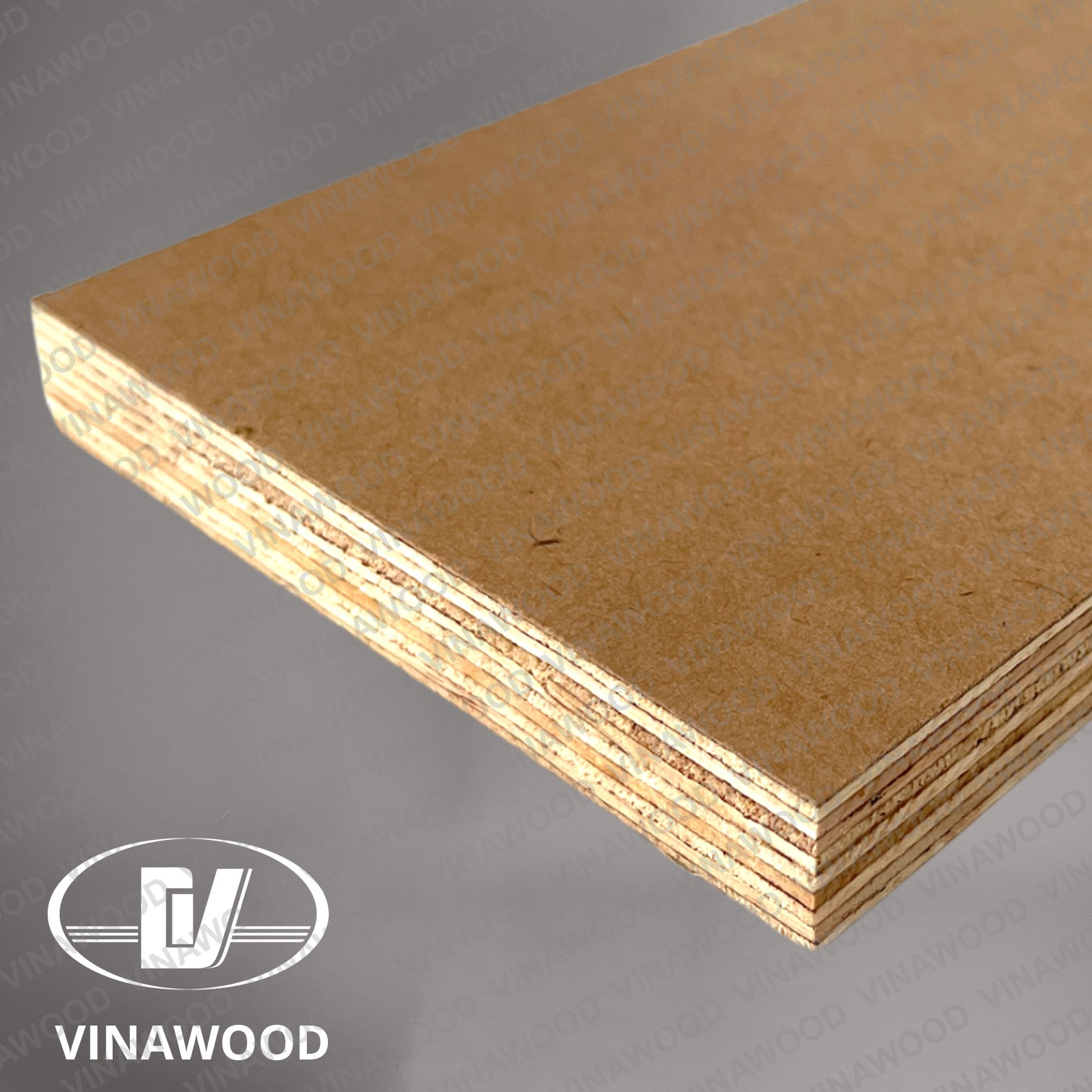
- MatteFace Plywood (MTF): up to 15. Matte phenolic surface film for formwork. Buyers often search this as MDO formwork plywood. Kraft-paper MDO for paint and signage is a different product.
Only Pro Form, Pro Form Lite, and the HDO range are phenolic Class 3. Form Extra is not. P-Form is polypropylene, not Pro Form. Consply is commercial Bintangor, not film-faced formwork. Keep those names straight on the RFQ so the mill does not ship the wrong face.
For the US-facing forming hub see concrete forming plywood. Contractor forms sit on plywood for concrete forms. Phenolic bond detail: phenolic plywood. Overlay compare: HDO vs MDO plywood.
Where AU buyers usually source
Small top-ups go through retail trade desks and local yards. That is fine for ten sheets on a residential pad or an urgent patch. Once you are filling a gang form or a hire fleet, trade packs and container imports set the landed number.
Direct mill import from Vietnam starts to make sense at roughly one 20-ft container. Typical buyers: contractors with ongoing decks, distributors stocking formwork, hire fleets that retire sheets on a schedule. Lead time is mill production plus ocean to east-coast or west-coast ports. Ask for FOB and a landed estimate on your volume. Do not plan a tender on a screenshot of yesterday's retail tag.
Vinawood sells factory-direct to importers and distributors. We do not invent a list of Australian yard names on this page. Your local trade account still handles split packs and same-week top-ups. The mill handles the container when the volume justifies the freight.
Cost-per-pour, not a fake price table
Sheet prices move with AUD/USD, freight, and film grade. A published AUD table goes stale in a quarter. Run the simple check instead:
- Landed cost per sheet ÷ expected pours under your care routine
- Add labour for edge sealing, release agent, and swap-outs when a face fails early
- Weight the finish class: fair-faced walls retire sheets earlier than buried footings
- Count crane time and sheet weight when you step from 17 mm to 19 mm or 25 mm
A Pro Form or HDO Premium sheet that reaches its upper reuse band often beats a cheap retail sheet that dies at pour four. Send sizes, thickness, finish class, and container count to request a quotation. Vinawood quotes factory-direct. No invented duty or sheet dollars here.
Reuse planning under AU site conditions
UV, heat swings, and wet seasons punish open edges. Clean after strip. Re-coat release agent every pour. Seal cuts. Store flat and covered. Edge crush retires more sheets than mid-face scuffs.
Map panels by reuse stage. Visible elevations get early-cycle faces. Back-of-house pours take older sheets. That rotation is how hire fleets hit the "up to" numbers on the ladder above without pretending every sheet lasts forever.
Skip open-ended reuse folklore on the takeoff. Use the Vinawood maxima above and cut them if your crew skips edge seal or stacks sheets in the open.
Matching film weight and bond class to the pour
Film weight and glue class are separate buys. A light film on a Class 3 core still scuffs early on a hire wall. A heavy film on a short-run MUF core can look fine for eight pours and still be the wrong pick if the engineer asked for Class 3 paperwork.
Australian F17 talk is often about stiffness and system design. Mill bond class is about boil-proof glue performance under WBP / EN 636 language. Keep both conversations honest. Send the pour type, finish class, and any named standard on the RFQ so the mill does not guess.
Specs and papers to ask for
For engineered formwork systems, keep the structural calc on AS/NZS 2269 language with your local engineer. From the mill, ask for glue class, film type, thickness tolerance, FSC or PEFC chain-of-custody when needed, and formaldehyde docs (CARB P2 / EPA TSCA Title VI where the destination cares). Sample sheets before a full container still beat a surprise on pour one.
Vinawood has made formwork panels in Vietnam since 1992. About 5,000 containers a year. 55+ countries. Every sheet is inspected. Factory location stays off this page; the commercial ask is the pack of docs and the sample sheet.
Browse the film-faced plywood collection, then open an RFQ with your panel list. Match the face to the pour, not the marketing name on a yard rack.
Category
how-to