Film Faced Plywood vs Formply: What Australian Builders Need to Know
Film faced plywood vs formply for Australian builders: EN 636 class versus AS/NZS F17, phenolic face film, and reuse up to N by Vinawood grade - including Pro Form Lite.
All formply is film-faced; not all film-faced plywood is formply. Australian builders often see both labels on the same rack, yet the difference that matters on a specification is the grading file, not the brown pour face. Formply is film-faced plywood that also carries an Australian structural grade, typically F17 under AS/NZS 2269, and is made or branded for formwork under AS/NZS 6669. An imported mill sheet may use the same phenolic face film idea while documenting performance through an EN 636 class on the data sheet. Read that split before you treat two quotes as interchangeable.
The physical face is a resin film bonded to the panel. At Vinawood the formwork face is a phenolic film; core glue is a separate line item (MUF or PF by grade). European-style mill sheets name EN 636-2 (humid / Class 2) or EN 636-3 (exterior / Class 3). A Vietnam mill sheet built to EN 636-3 can serve an F17 pour when bending strength and bond documents meet the project spec, but "looks like formply on the truck" is not the same as "stamped as formply in the engineer's schedule."
What film-faced plywood is
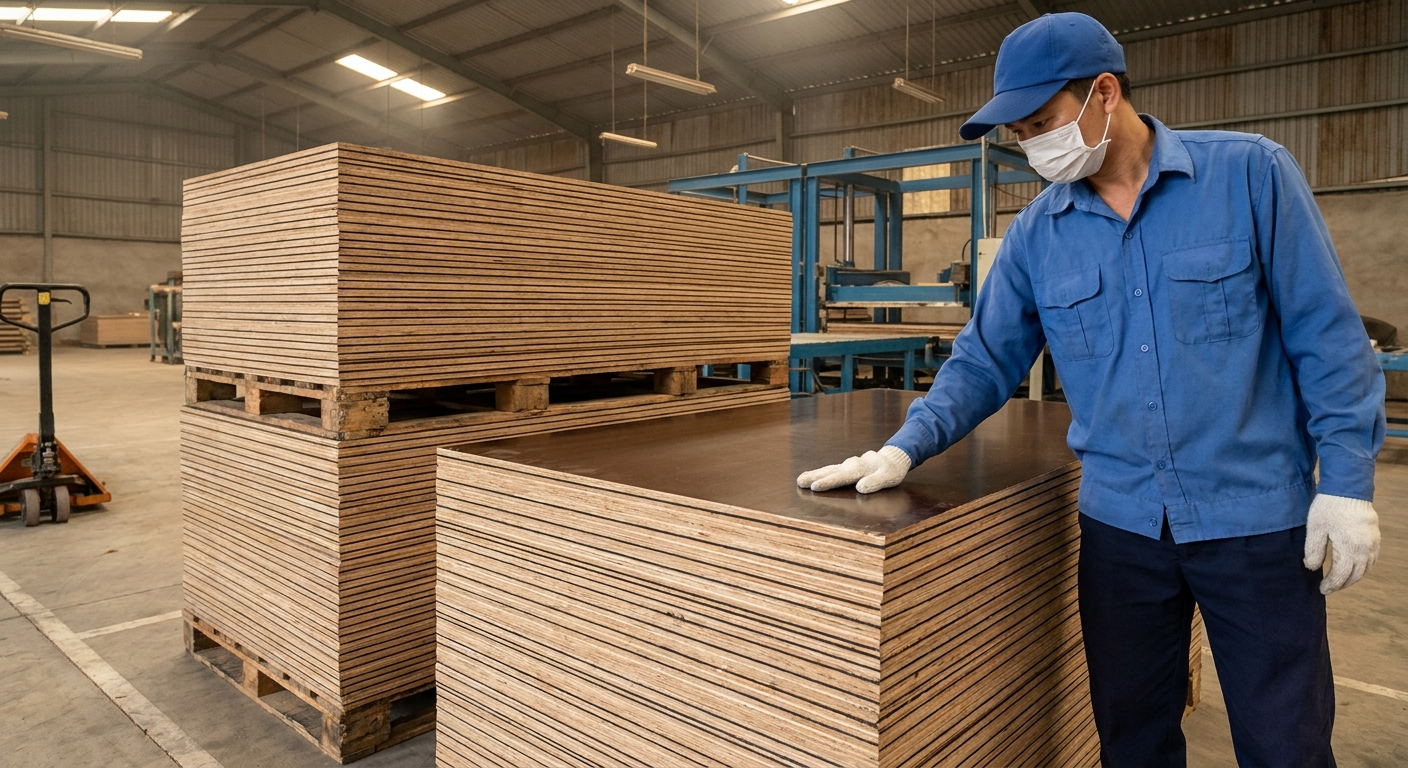
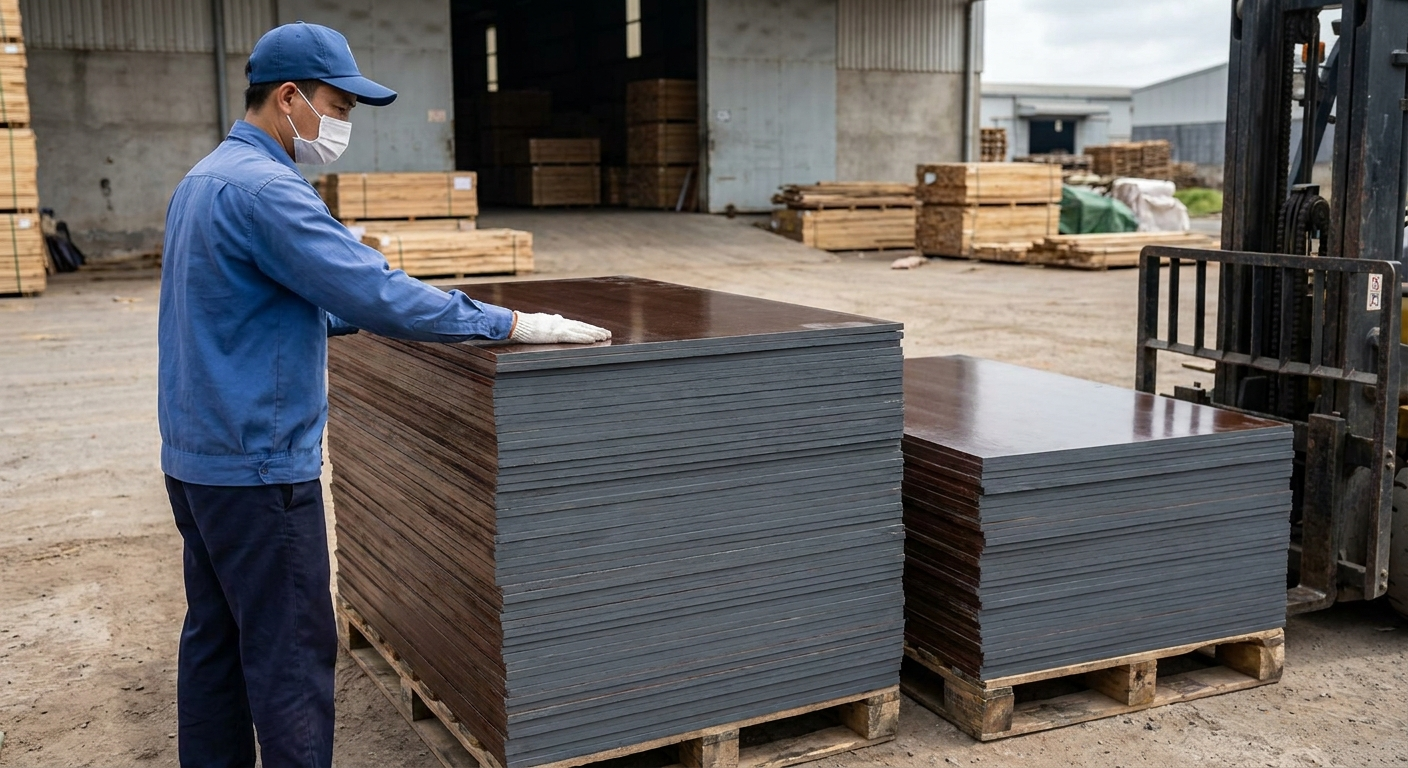
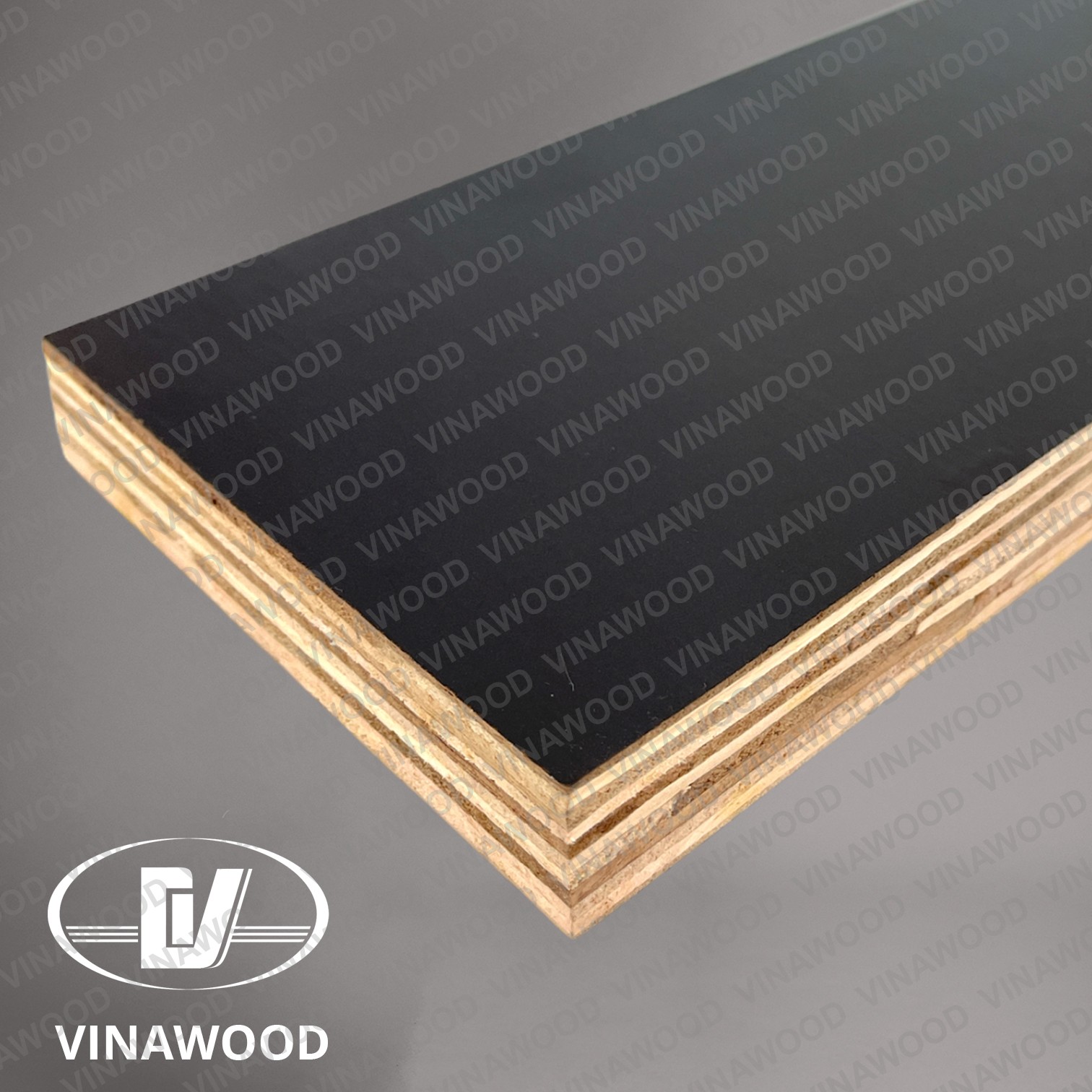
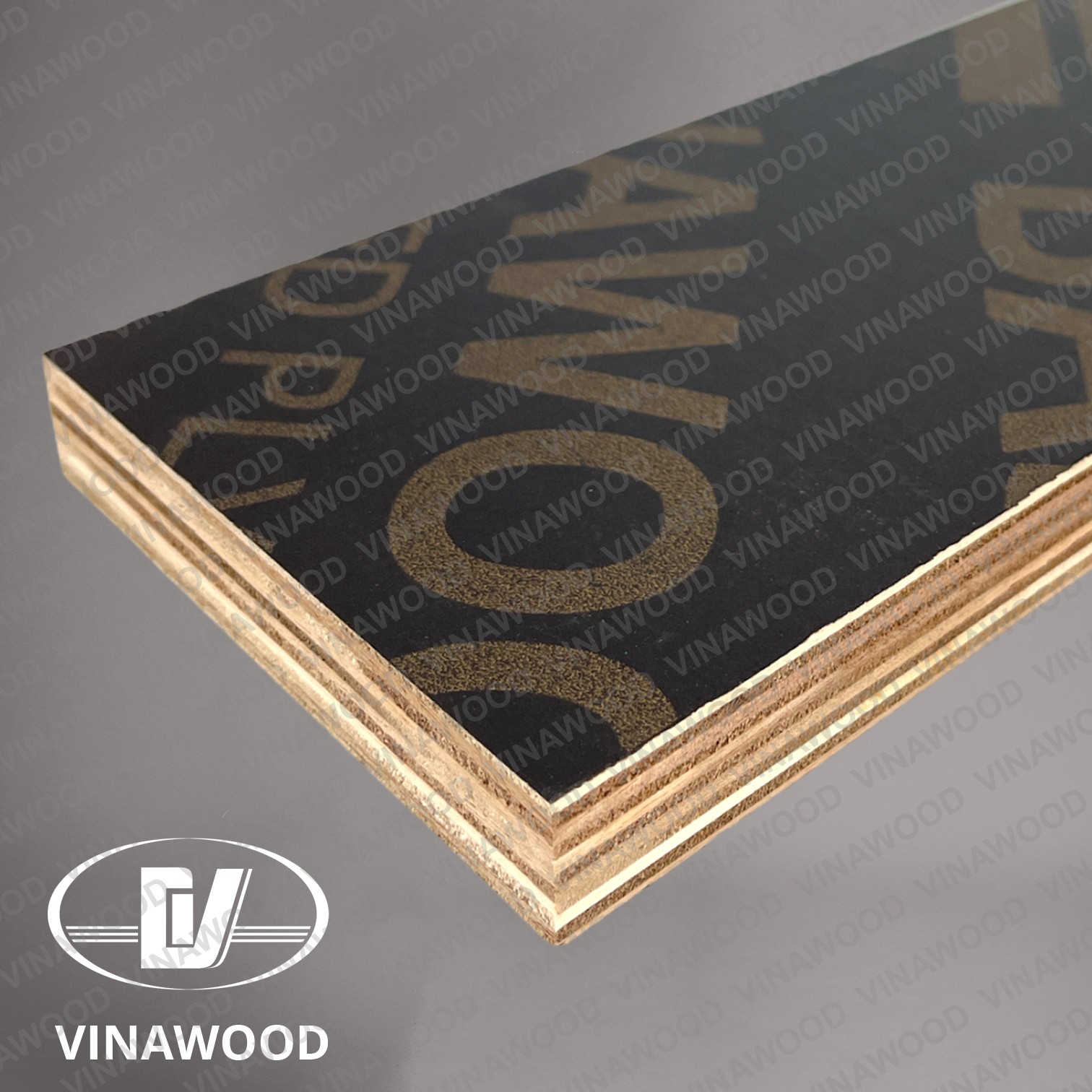
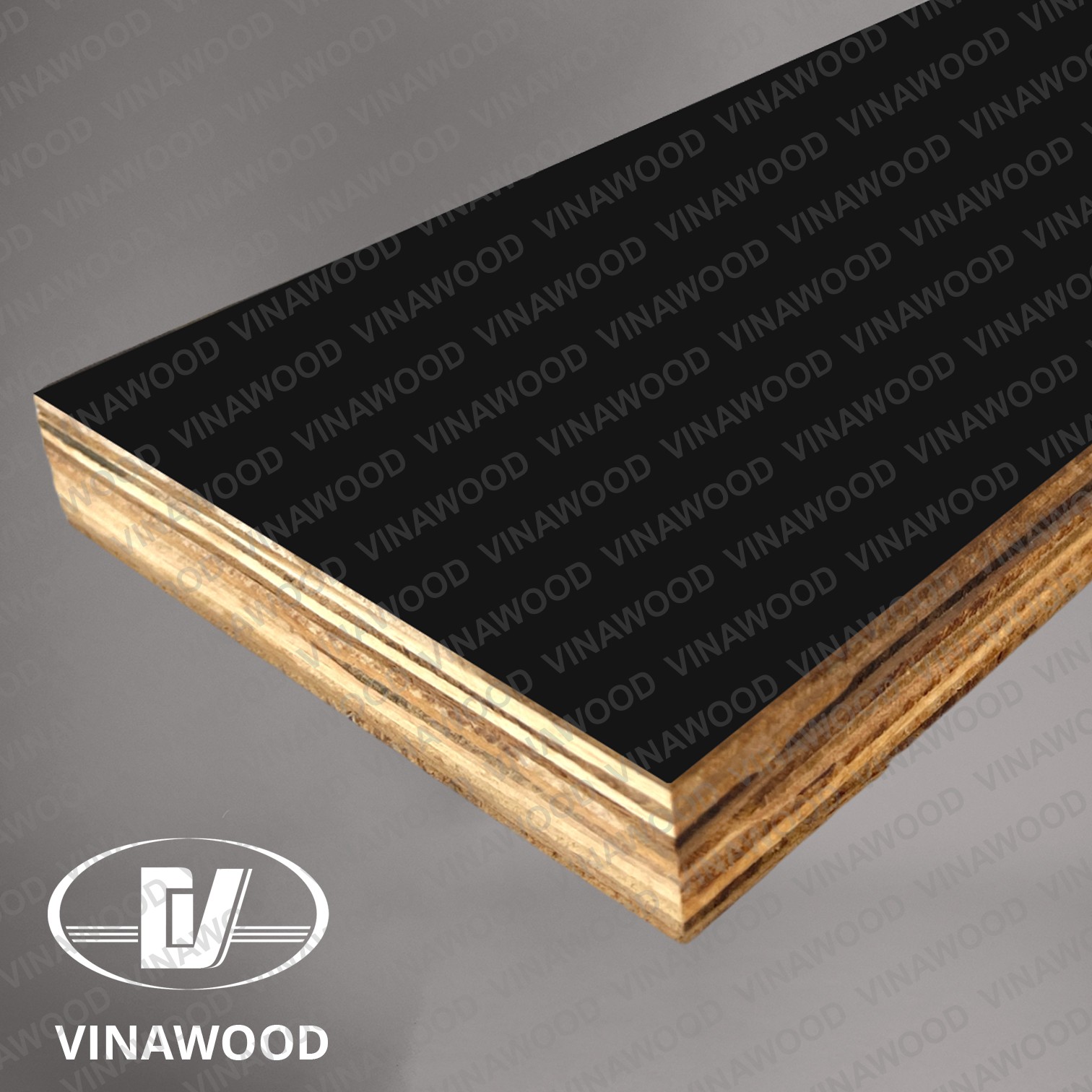
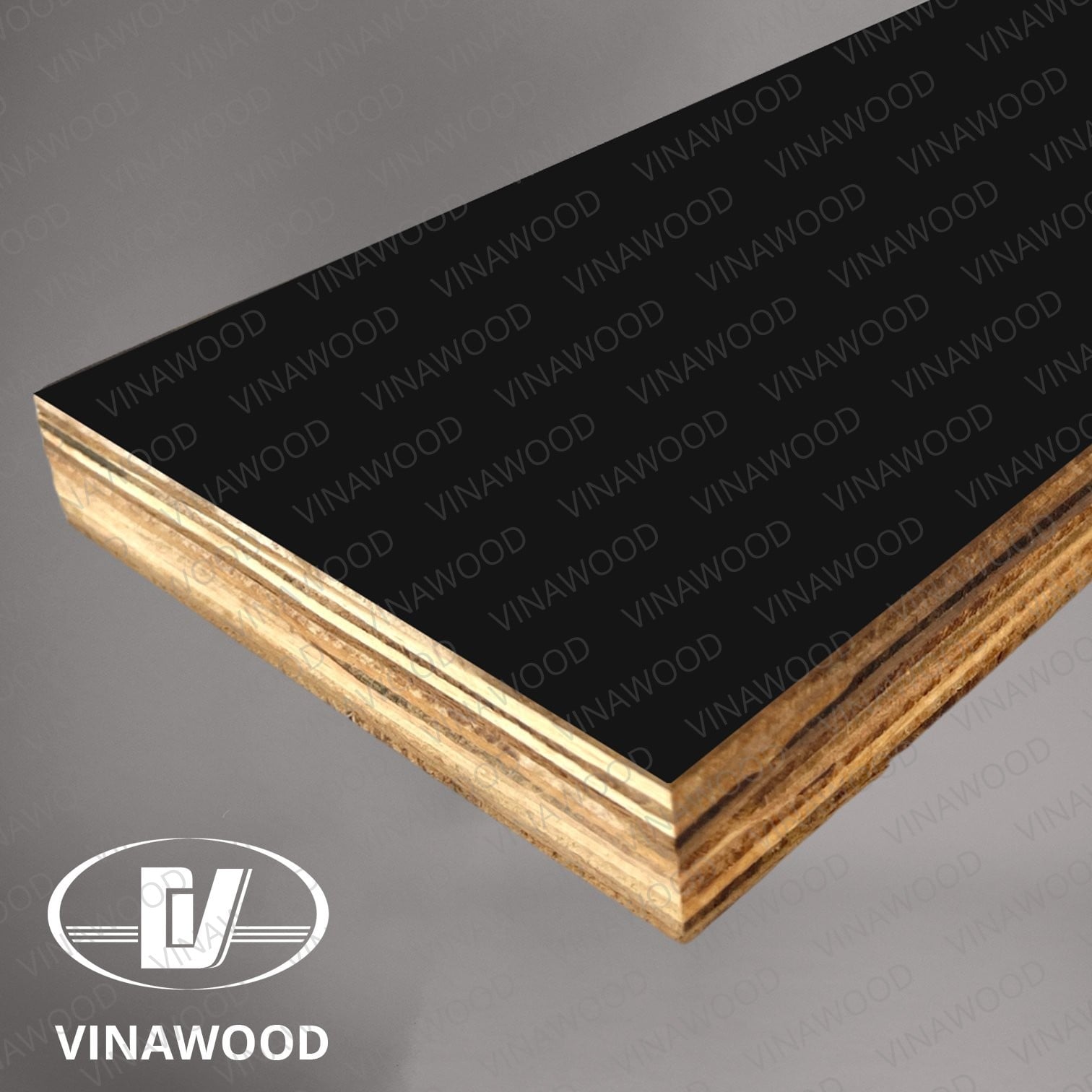
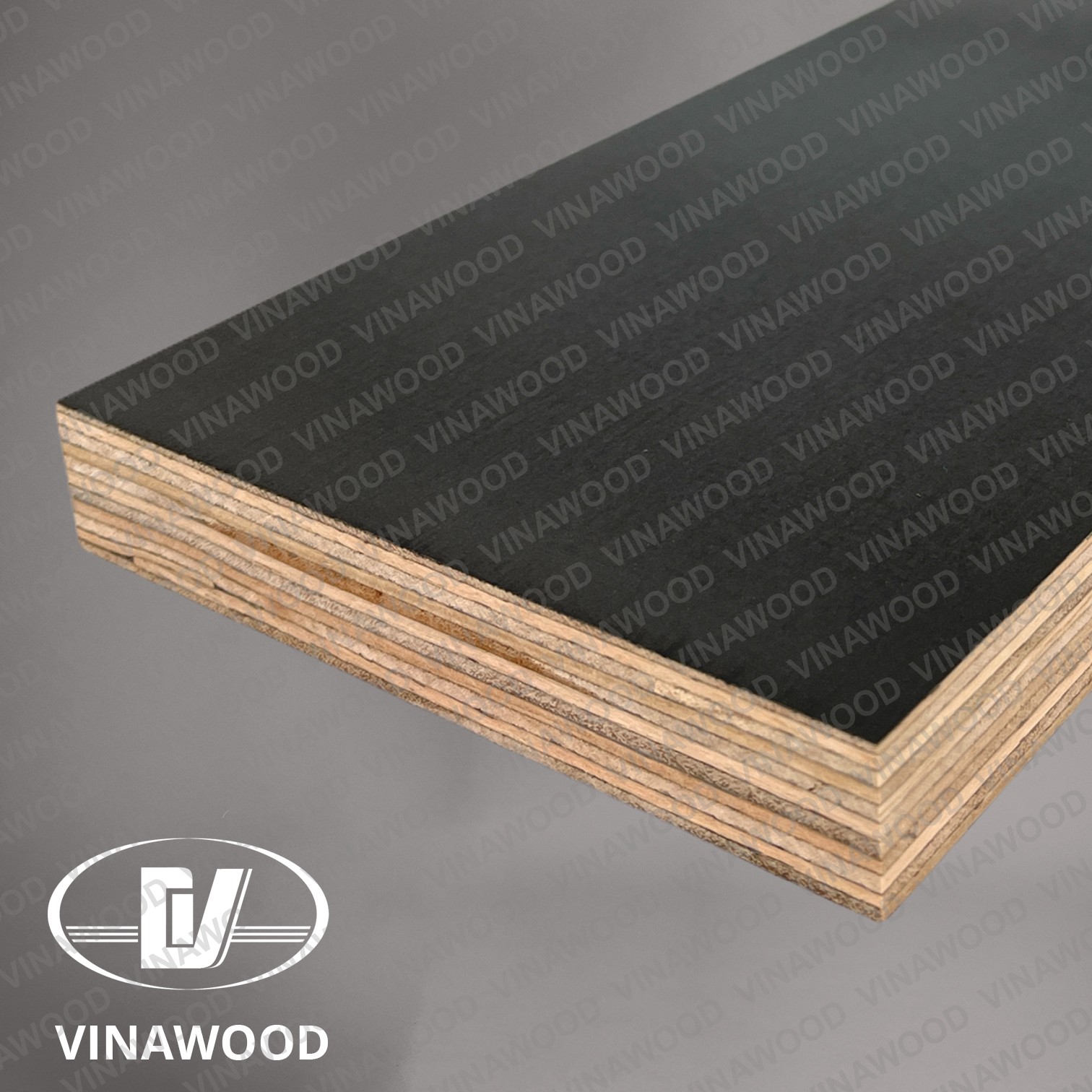
Film-faced plywood is structural plywood with a resin film on one or both faces. The film is the pour surface: it releases from cured concrete and takes the wet alkali of a slab when edges are sealed and release agent is applied correctly. Vinawood formwork faces use a phenolic face film. Core glue is specified separately, core MUF adhesive on Eco Form Plus, Form Basic, and Form Extra, or phenol-formaldehyde (PF) on Pro Form Lite, Pro Form, and HDO.
Do not list a bare "melamine" claim without naming which meaning you intend. Market sheets sometimes use a melamine face film; decorative laminate is a third meaning; core MUF adhesive is another conversation entirely. If a quote says only "melamine," ask which of those the mill meant. Film-faced formwork is also water-resistant / WBP in glue-line language, never waterproof: edges still need seal, and permanent wet duty belongs to a marine product, not a pour panel. For pour-side practice, see the film-faced plywood concrete formwork guide.
What formply means in Australia
Formply is the Australian trade word for structural-grade plywood made or graded for concrete forms. In practice it means film-faced plywood that meets two Australian standards: AS/NZS 2269 for structural plywood (F-grades from characteristic bending strength, with F17 the usual commercial ask) and AS/NZS 6669 for plywood for formwork (manufacture, grading, surface treatment, and branding for forming work).
When an engineer writes "F17 formply," they want film-faced plywood tested to that framework. Local radiata or hoop pine formply exists; imported plantation-grown hardwood film-faced exists too. This page does not name competitor mills. Formwork system brands may appear only as compatibility notes for hole pattern and thickness, they are not plywood mills. For definition-first reading, keep what is formply open in a second tab; this URL stays on the comparison. Soft pointers also sit on form ply Australia and formwork plywood Australia.
Key differences at a glance
| Factor | Film-faced plywood (general / EN mill sheet) | Formply (Australian) |
|---|---|---|
| Standard | EN 636 class by mill data sheet | AS/NZS 2269 + AS/NZS 6669 |
| Structural grade | Named only if the mill tested it | F17 typical; F14 or F22 also appear |
| Overlay | Phenolic face film (Vinawood); some market sheets use other films | Phenolic film on commercial formply |
| Core glue | MUF Class 2 or PF Class 3, by grade | Named on the local data sheet |
| Reuse | Up to 8-20 by Vinawood grade | Up to the supplier envelope, with care |
| Typical sizes | 2440 × 1220 mm, 2500 × 1250 mm | 2400 × 1200 mm, 2440 × 1220 mm |
| Surface | Smooth or anti-slip options | Smooth for off-form and fair-face work |
No price row belongs here. Landed container cost versus local trade cost is a quote, not a table. Reuse written as up to N is the comparison that belongs on a mill page. Documentation is the other column: an imported sheet needs the mill test report, the glue class, and the biosecurity pack; a local formply pack needs the F-grade stamp and the AS/NZS marks the engineer named. Missing either file is a failed comparison, not a cheaper sheet.
How Australian builders use imported film-faced as formply
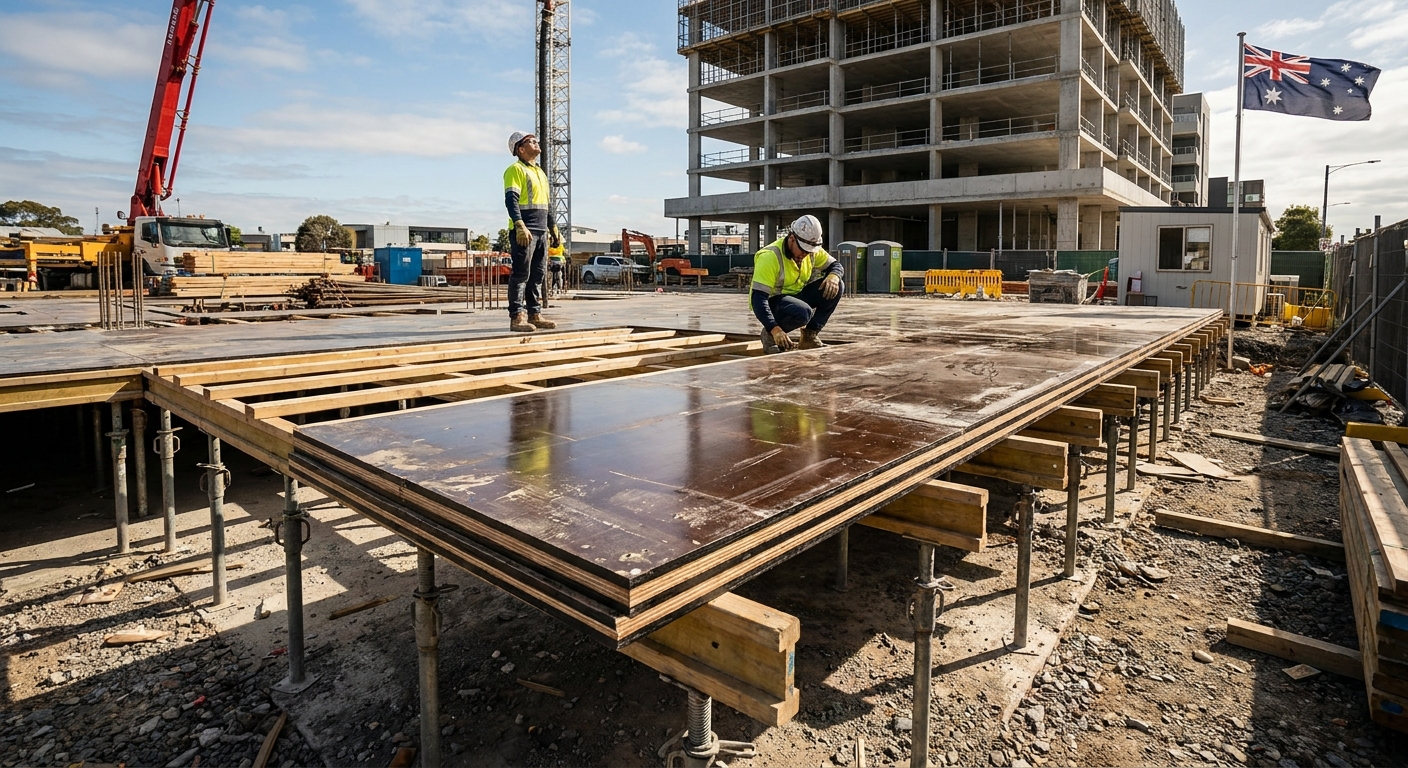
Large Australian contractors have imported film-faced plywood from Vietnam for years. The draw is a mill sheet that can meet F17 bending strength when documented, with test reports, chain of custody when asked, and biosecurity papers on packaging. The panels then work as formply on site: same strip discipline, same finish class, same reuse care. Coastal pours and inland summer slabs punish unsealed edges the same way, seal cuts before the first pour if you want an "up to 15" or "up to 20" envelope to survive past a few cycles.
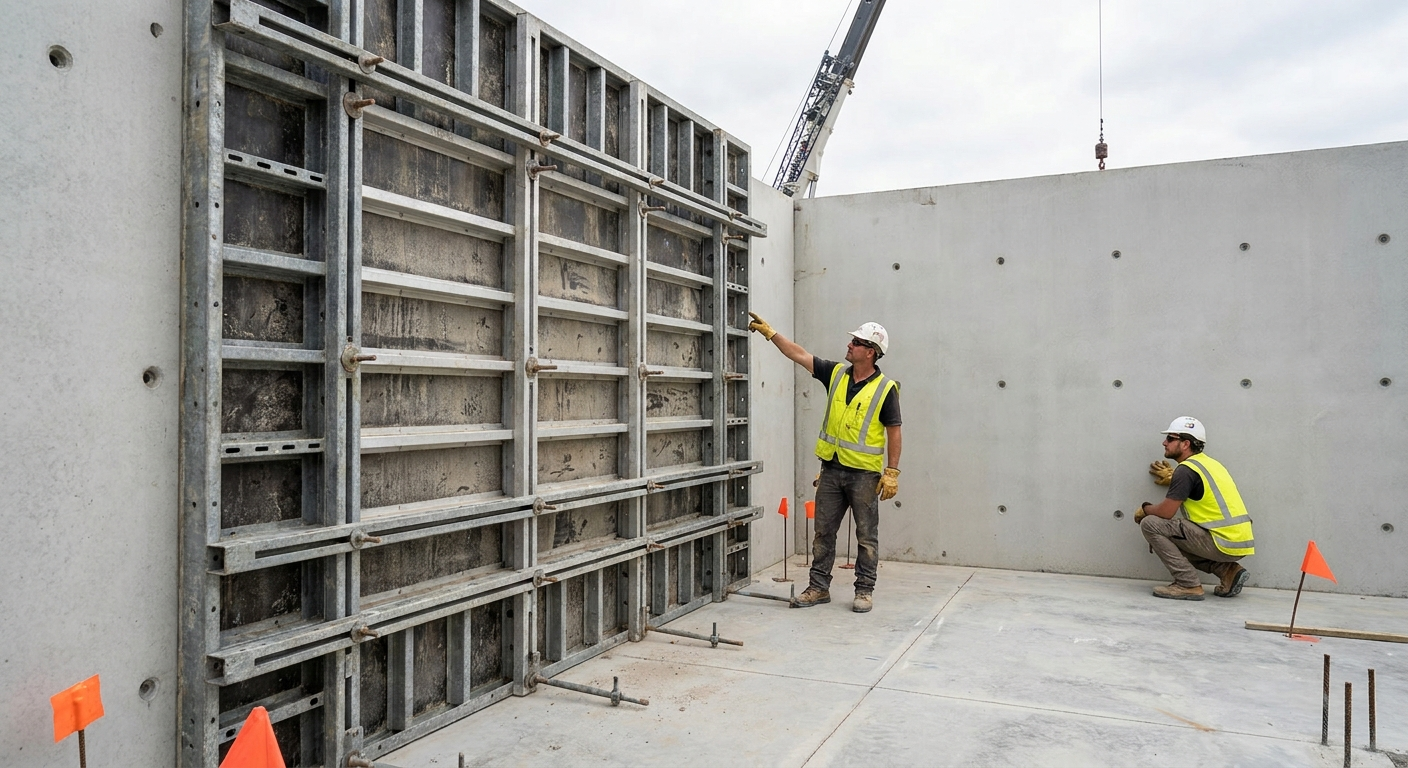
Common uses include mid-rise slab forms, in-situ walls, tilt-up edges, and column boxing. Sheets fit major formwork frames when thickness and hole pattern match. Seventeen and eighteen millimetre are the usual pair; twenty-one millimetre is the step-up for wider spans. Do not write a percent saving into the comparison. If two quotes differ, compare glue class, film gsm, and documented F17 or EN 636 class rather than a headline discount.
I have watched RFQs copy "phenolic" from a brown face photo and skip the EN 636 line entirely. Face colour is not bond class. Ask for the class on the data sheet before you lock the purchase order. Thickness selection for span and pour pressure sits in the concrete formwork plywood thickness guide.
Which Vinawood grade fits the pour count
Match glue class and reuse envelope to the programme. The Vinawood film-faced ladder for this comparison:
Short programmes
Eco Form Plus. WBP MUF core glue, EN 636-2 / Class 2, phenolic face film, up to 8 reuses. Use when the programme is short and the spec did not name Class 3. Prefer this live product path over any retired eco-form URL.
Standard commercial floors
Form Basic. WBP MUF, EN 636-2, up to 10 reuses. Everyday slabs and walls where Class 2 is enough.
Form Extra. Superior Glue MUF, EN 636-2, not Class 3, up to 15 reuses. Same phenolic face film as Form Basic. The extra cycles come from glue chemistry, not a heavier film.
Class 3 bond and longer reuse
Pro Form Lite. WBP phenolic (PF), EN 636-3 / Class 3, up to 15 reuses. This is the mid step between Form Extra and Pro Form.
Pro Form. WBP phenolic, EN 636-3 / Class 3, up to 20 reuses. High-rise, infrastructure, and any spec that names Class 3 or EN 636-3.
Phenolic Class 3 at Vinawood is Pro Form, Pro Form Lite, and HDO only. Form Extra stays MUF / Class 2. If a spec says Class 3, do not send Form Extra. P-Form is polypropylene overlay, not Pro Form. Consply is commercial Bintangor, not film-faced. HDO and MatteFace Plywood (MTF) are North American overlay names; mention MatteFace only as a soft bridge if an Australian buyer searched MDO. MDO stays a search term on ranking siblings, never "our MDO," and never tied to AD/CVD.
Surface finish and site care
New phenolic film gives a smooth off-form face. Under AS 3610, that is typically a Class 2 concrete finish on the first pours when joints are tight and release agent is even. After several cycles the film picks up residue and strip marks, and the achievable finish steps down. That behaviour is the same whether the pack is labelled formply or film-faced. Architectural or fair-face work wants the highest face grade on the first pour; retire those sheets to hidden faces after a few cycles.
Release agent and strip timing matter more than the brand stamp. Oil on a dirty film leaves bugs. Late strip tears the face. Store packs flat, off the ground, under cover, the same yard rule for an imported mill sheet and a local formply pack. Film-faced versus marine is a different question entirely; if that is the search intent, use a dedicated marine comparison rather than stretching this formply page.
Importers who buy container lots should also confirm thickness tolerance, film gsm, and edge-seal practice on the packing list, because those three details decide whether an "up to 15" sheet still looks fair-face after a week of coastal pours. Plantation-grown cores travel with the same WBP glue-line language as local packs: water-resistant, not waterproof. Put the AS/NZS path or the EN 636 path on the RFQ in plain text so the mill and the engineer are answering the same question.
Distributors who stock both local formply and imported film-faced sheets should keep the paperwork lane clear for site engineers: F-grade stamp versus EN 636 class, film gsm, and core glue type on one line of the delivery note. That small habit prevents a Class 2 MUF pack from being substituted into a Class 3 pour by accident when both faces look brown on the truck.
Request a quotation
Send the Australian ask first: F17 / AS/NZS 2269 and 6669 if the engineer wrote formply, or EN 636-2 versus EN 636-3 if the mill data sheet is the path. Then film gsm, thickness (17 mm or 18 mm unless the span says 21 mm), and size (2400 × 1200 or 2440 × 1220). Write reuse as up to N. Add biosecurity papers on the packing list. Vinawood has made plywood in Vietnam since 1992, ships about 5,000 containers a year to 55+ countries, runs sheet-level inspection, and sources plantation-grown veneers. No mill city on this page. Start the RFQ at /contact?type=quotation.
Category
guides
Related Markets
Related Countries
▶Sources & References (3)
- AS/NZS 2269 - Plywood - Structural — Standards Australia / Standards New Zealand (2012-01-01)
- AS/NZS 6669 - Plywood - Formwork — Standards Australia (2016-01-01)
- EN 636 - Plywood - Specifications — CEN (2012-01-01)