Formaldehyde-Free, NAF & Low-Formaldehyde Plywood: What Buyers Should Ask For
"Formaldehyde-free plywood" is a marketing term — true zero-emission plywood doesn't exist because wood itself releases trace amounts naturally. What buyers actually need depends on use case: CARB P2 / EPA TSCA Title VI for any US sale, NAF or ULEF for LEED/WELL and nurseries, F☆☆☆☆ for Japan, E1…
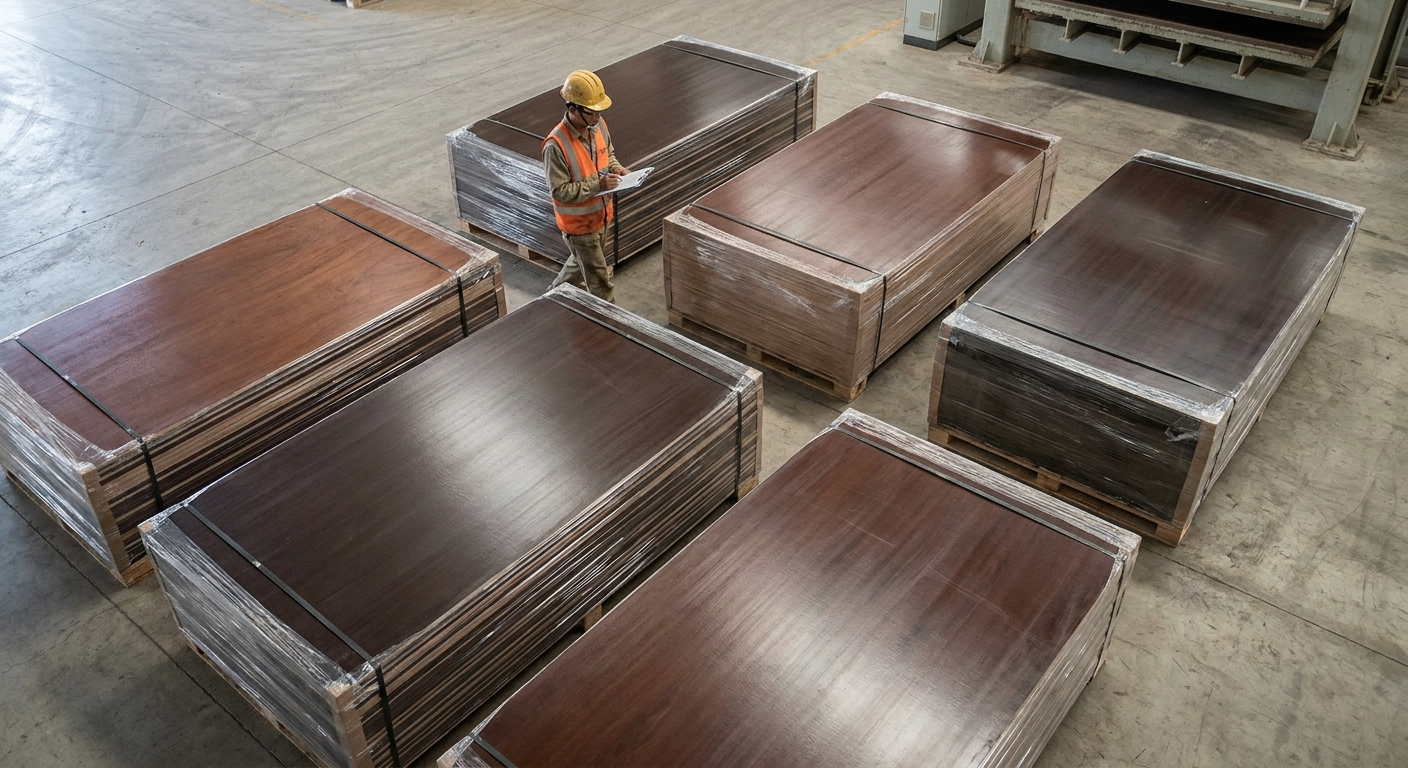
Truly zero-formaldehyde plywood doesn't exist. Wood itself releases small amounts of formaldehyde whether the adhesive contains any or not. So when an architect or specifier types "formaldehyde-free plywood" into a supplier inquiry, what they're actually after is a panel certified under one of several emission standards. The right standard depends on where the panel ends up.
This buyer's guide cuts through the label confusion. CARB Phase 2. EPA TSCA Title VI. NAF. ULEF. F-four-star. E1. Each one means something specific. The right answer for a US cabinet job differs from the right answer for a Japanese residential project or an EU construction tender. Vinawood manufactures film-faced and HDO formwork plywood in Vietnam, exports to 55+ countries, and carries CARB P2, EPA TSCA Title VI, CE-marked, and F-four-star certified product lines. What follows is the version of the standards landscape we wish more buyers got from their suppliers.
Quick Reference: Which Standard You Need
| Use case | Standard required |
|---|---|
| Plywood sold in California | CARB Phase 2 (mandatory) |
| Plywood sold anywhere in the US | EPA TSCA Title VI (mandatory since March 2019) |
| LEED v4 / v4.1 Low-Emitting Materials credit | NAF or ULEF + EPA TSCA Title VI |
| WELL Building Standard | NAF or ULEF |
| Japan and East Asian markets | F-four-star (JAS, four-star) |
| EU residential / commercial | E1 (EN 13986) |
| Indoor air quality / nurseries / asthma sensitivity | NAF (no added formaldehyde) preferred |
A nuance the table can't communicate. "Formaldehyde-free" is a marketing term, not a technical specification. The closest technical equivalent is NAF, which means No Added Formaldehyde. The adhesive contains no urea, melamine, or phenol formaldehyde. Even an NAF panel still releases trace formaldehyde naturally from the wood itself.
Why Formaldehyde Is in Plywood at All
Plywood is built from cross-laminated wood veneers. Bonding those veneers requires an adhesive. The cost-effective adhesive families used at industrial scale all involve formaldehyde chemistry to varying degrees.
Urea-formaldehyde (UF). The cheapest adhesive system. Used in interior hardwood plywood, particleboard, and MDF. UF bonds aren't waterproof and emit elevated levels of formaldehyde. This is the historical concern that drove formaldehyde regulation in the first place. UF-bonded panels are the highest emission-risk plywood category.
Phenol-formaldehyde (PF). The standard adhesive for structural and exterior plywood. PF bonds are waterproof (WBP) and cure into a thermoset cross-link that is chemically very stable. Once cured, free formaldehyde emission from PF-bonded plywood stays consistently very low, typically below CARB P2 limits without further treatment. Film-faced formwork plywood and HDO/MDO panels almost universally use PF adhesive.
Melamine-urea-formaldehyde (MUF). Mid-tier moisture resistance, used in EN 636-2 / Class 2 film-faced plywood and in some interior hardwood plywood. Emissions sit between UF and PF. Typically meets CARB P2 with proper formulation but isn't as inherently low-emission as cured PF.
Soy-based, MDI (methylene diphenyl diisocyanate), and polyurethane. The NAF adhesive systems. Used in cabinet-grade hardwood plywood marketed as "formaldehyde-free" or NAF. The bond chemistry contains no formaldehyde at all.
One nuance buyers often miss. Trace formaldehyde occurs naturally in wood itself. Even untreated, unprocessed logs release very small amounts of formaldehyde because it's a natural byproduct of cellulose and lignin chemistry. So "zero formaldehyde plywood" isn't a real category. The realistic floor is the natural emission level of the wood itself, which sits well below any health-risk threshold.
The Standards Landscape — in Plain Language
CARB Phase 2 (California Air Resources Board). Mandatory for plywood sold in California. CARB Phase 2 limits hardwood plywood with veneer core to 0.05 ppm formaldehyde, with additional limits for particleboard and MDF. Compliance requires third-party certification (TPC) by a CARB-recognised certifier, with a unique TPC number printed on every panel.
EPA TSCA Title VI. The federal US version of CARB Phase 2, effective March 22, 2019. Harmonised with CARB P2 emission limits and certification requirements. Applies to all composite wood products sold in the United States, regardless of state.
NAF (No Added Formaldehyde). Plywood produced with adhesives that contain no added formaldehyde, typically soy, MDI, or polyurethane chemistry. NAF panels are exempt from third-party certification under CARB P2 / EPA TSCA Title VI but still get tested to verify the adhesive system. NAF is the strictest practical formaldehyde tier available in mainstream production.
ULEF (Ultra-Low Emitting Formaldehyde). Plywood with formaldehyde-based adhesive (UF, MUF, or PF) but with emissions verified to fall below the CARB P2 limit by a defined margin. Eligible for reduced TPC frequency under CARB P2 / EPA TSCA. ULEF is functionally equivalent to NAF for most indoor air quality purposes.
F-four-star (Japan, JAS "four-star"). The strictest published Japanese tier under the Japanese Agricultural Standard. The four-star limit is 0.3 mg/L average and 0.4 mg/L peak by the desiccator method. F-four-star is the de facto standard for plywood entering Japanese residential and commercial construction.
E0 / E1 / E2 (EU, EN 13986). European emission tiers under the EN 717-1 chamber test method. E1 is the standard residential/commercial limit at 0.124 mg/m3, mandatory for plywood placed on the EU construction market under EN 13986. E0 is a stricter voluntary tier (~0.07 mg/m3 or below) used by sustainability-focused buyers. E2 is industrial-only and effectively phased out for residential applications.
"Formaldehyde-Free" vs NAF vs Low-Formaldehyde — What the Labels Actually Mean
"Formaldehyde-free". A marketing term, not a technical specification. In practice, it usually means NAF: the adhesive contains no added formaldehyde. It doesn't mean zero emission. Verify the underlying adhesive chemistry before treating the label as a binding spec.
NAF. The technical equivalent of the marketing term. The adhesive system contains no urea, melamine, or phenol formaldehyde, typically soy, MDI, or polyurethane.
"Low formaldehyde". Often means CARB P2 / EPA TSCA Title VI compliant, the legal minimum in the United States. "Low formaldehyde" isn't a premium tier. It's the floor of the regulated market.
ULEF. Specifically below the CARB P2 limit by a defined margin (effectively a stricter version of TSCA Title VI compliance). For practical buyer purposes, ULEF is functionally equivalent to NAF on emissions.
The takeaway. A panel labelled "formaldehyde-free" should mean NAF. A panel labelled "low formaldehyde" probably means CARB P2 minimum. ULEF is a defined sub-tier of CARB P2 compliance. Always verify against a specific test report and a current TPC number rather than relying on the label.
Phenolic-Bonded Plywood Is Inherently Low-Emission
This point gets consistently underplayed in buyer-facing content. Phenol-formaldehyde adhesive cures into a thermoset cross-link that is chemically very stable. Once fully cured, free formaldehyde emission from PF-bonded plywood stays consistently very low, typically below CARB P2 limits and frequently within the ULEF tier without any further treatment.
That's why most film-faced formwork plywood (which uses WBP phenolic adhesive) carries CARB P2 / EPA TSCA Title VI / E1 / F-four-star certifications as standard. The elevated-emission concern in plywood overwhelmingly attaches to UF-bonded interior hardwood plywood, not to PF-bonded structural and formwork plywood.
For the deeper PF chemistry context, see phenolic plywood. For how PF film is applied during manufacturing, see how film-faced plywood is manufactured.
How Emissions Are Measured — Units That Confuse Buyers
Three measurement methods dominate global formaldehyde emission certification. They aren't directly interchangeable.
ppm (parts per million). The California CARB / US EPA standard. CARB Phase 2 limit for hardwood plywood with veneer core: 0.05 ppm.
mg/m3 (milligrams per cubic metre). The European EN 717-1 chamber method. E1 limit: 0.124 mg/m3.
mg/L (milligrams per litre, desiccator method). The Japanese JAS standard. F-four-star limit: 0.3 mg/L average, 0.4 mg/L peak.
Direct conversion between these units is difficult because the underlying test methods differ. Chamber tests vs desiccator tests vs gas analysis tests measure different physical phenomena. Approximate cross-walks exist but should be treated as ballpark only, not for compliance purposes.
Practical takeaway. A panel that meets CARB P2 / EPA TSCA Title VI is broadly acceptable in US, EU, and most of Asia. F-four-star is a stricter Japanese-specific tier. EN 13986 E1 is the EU-specific standard. For multi-region exports, mills typically certify to all three to avoid managing separate inventories.
How to Verify a Supplier's Formaldehyde Claim
The label on the panel isn't the certificate. The certificate is held by the certifying body and registered publicly. To verify a claim:
Look for the TPC number. Third-party certification numbers must be printed on the panel face or edge for CARB P2 / EPA TSCA-certified plywood. CARB and EPA maintain public registries of recognised certifiers and active certificates.
Cross-check the TPC. Search the EPA TSCA Title VI public registry or the CARB-recognized certifiers list for the number on the panel. Confirm the certificate is currently valid (certificates have expiry dates).
Request the mill test report. Emission tests are conducted regularly under CARB P2 / EPA TSCA. Mill test reports for the specific production batch should be available on request from the supplier. Reports older than 12 months should raise a flag.
Confirm scope. Ask whether the certification covers both face and back veneers and the adhesive system. Some certificates are scoped narrowly.
For NAF claims: ask for the adhesive supplier datasheet specifying soy, MDI, or polyurethane chemistry. NAF claims are easy to make and harder to verify. The adhesive datasheet is the best documentary evidence.
Red flags: missing TPC number on panel, vague "low VOC" claims without a specific standard cited, certificates older than 12 months without renewal documentation, NAF claims with no adhesive datasheet.
Vinawood's Certified Product Lines
Vinawood-manufactured film-faced plywood (Pro Form, the HDO range, Form Basic, Form Extra) uses WBP phenolic or melamine adhesive systems. For the broader supplier vetting context, see plywood supplier Vietnam; for the certification picture, see top certifications for Vietnam plywood exports.
Standard certifications across the export range:
- CARB Phase 2 / EPA TSCA Title VI compliance for North American shipments
- CE marking under EN 13986 (E1 emission tier) for European shipments
- F-four-star certification available on dedicated Japanese-market production runs
- FSC Chain-of-Custody for sustainable sourcing, relevant for LEED MR Credit and similar
An important precision. Vinawood's standard formwork products are PF or MUF bonded. They are very low emission and meet the regulated standards above as a matter of course, but they are NOT NAF (no added formaldehyde). Buyers requiring NAF specifically should request a separate quote for NAF-bonded production. Per-product certifications and TPC numbers are available on request from the sales team.
For US-market HDO-grade panels with CARB P2 / EPA TSCA Title VI compliance, see the HDO Premium 2S Formply spec sheet and the broader HDO plywood collection. For global film-faced formwork, see the film-faced plywood collection.
Choosing the Right Standard for Your Application
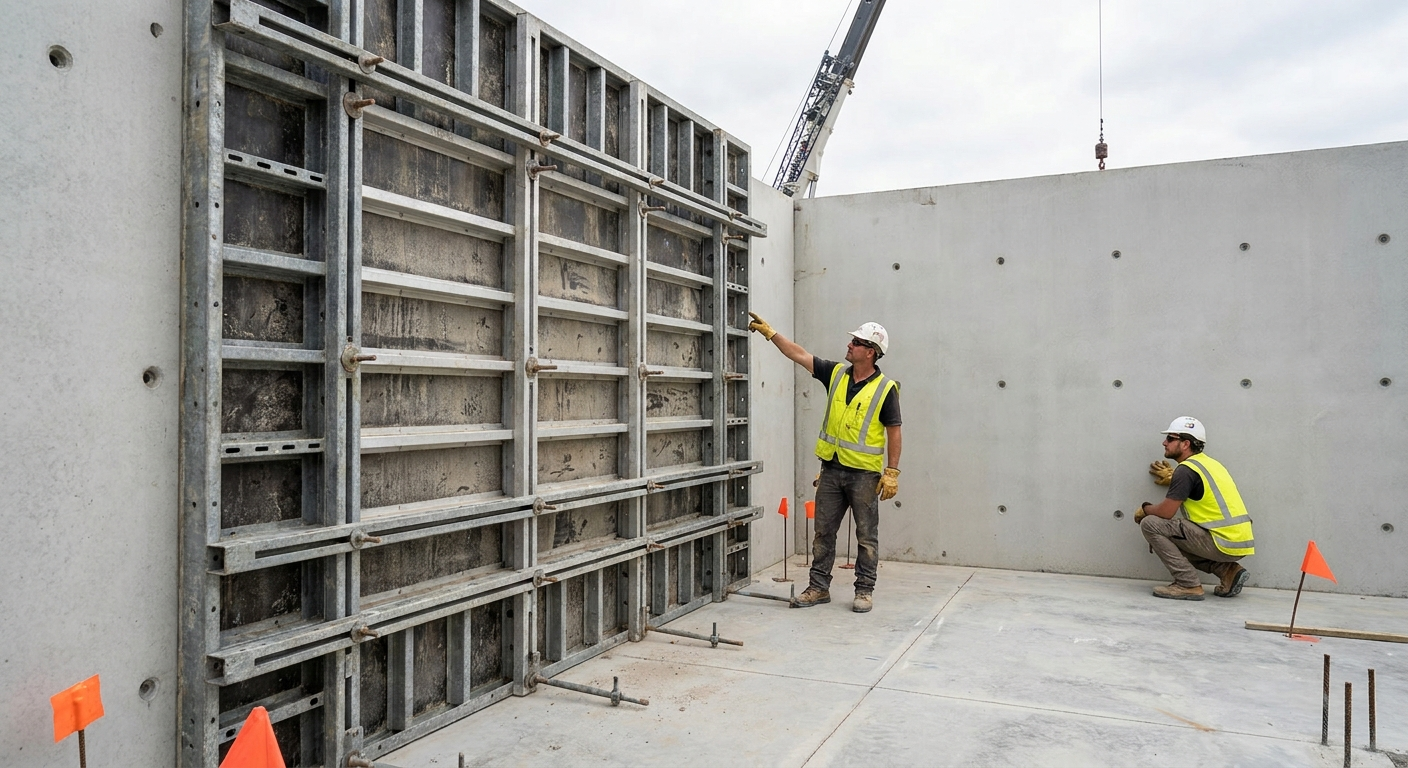
Construction formwork. CARB P2 / EPA TSCA Title VI is sufficient. Phenolic-bonded film-faced and HDO panels meet this comfortably and the panel face contacts only concrete, not occupied indoor air. For the formwork-pillar context, see concrete form plywood.
Cabinetry and furniture in residential settings. Look for ULEF or NAF, especially in nurseries, bedrooms, and kitchens where occupants spend extended time and the panel face is exposed to indoor air.
Healthcare, educational, and nursery facilities. NAF is increasingly specified, particularly for facilities targeting WELL Building Standard certification or operating under sensitive-population air quality protocols.
LEED v4 / v4.1 projects. Composite wood products must meet either NAF or ULEF for the EQ Low-Emitting Materials credit. EPA TSCA Title VI alone is the regulatory floor and doesn't earn the credit.
Japan and Japanese export. F-four-star is the de facto standard for plywood entering Japanese residential and commercial construction.
EU residential and commercial. E1 (or stricter voluntary E0/E0.5) is the standard. CE marking under EN 13986 with E1 declaration is required for placing plywood on the EU construction market.
Formaldehyde standards in plywood look complicated only because the same idea, "how much formaldehyde does this panel release into the air," is regulated under three different national frameworks with three different test methods and three different unit conventions. Pick the standard that matches the buyer's market and application, request the TPC number plus current mill test report, and verify against the public registry. The label alone is never enough.
Category
guides
Related Markets
Related Countries
Related Products
▶Sources & References (5)
- TSCA Title VI Formaldehyde Emission Standards for Composite Wood Products — US Environmental Protection Agency (2024)
- Composite Wood Products Airborne Toxic Control Measure (CARB ATCM Phase 2) — California Air Resources Board (2024)
- EN 13986:2004+A1:2015 — Wood-based panels for use in construction — European Committee for Standardization (CEN) (2015)
- EN 717-1:2004 — Wood-based panels: Determination of formaldehyde release — European Committee for Standardization (CEN) (2004)
- LEED v4.1 EQ Credit: Low-Emitting Materials Reference Guide — US Green Building Council (2023)