How to Waterproof Plywood: 5 Effective Methods for Long-Term Protection
Plywood is not truly waterproof — only water-resistant to a degree set by its glue class. Which grades (marine, film-faced, exterior) resist water at manufacture, how the WBP, MR, and interior bond classes differ, and five coating methods for sealing a standard sheet.
The honest answer to waterproof plywood is that no plywood is truly waterproof, but the right panel gets close and the wrong one fails fast. Water resistance is built in at the factory through the glue class, and surface coatings protect whatever the glue does not. Get both right and a panel shrugs off rain, splash, and humidity for years; get them wrong and the plies swell, delaminate, and rot.
This guide separates the two halves of the question that most articles blur together. First, which plywood grades already resist water because of how they are bonded. Second, how to seal a standard sheet that was never built for wet service. Both matter, and knowing the difference saves you from painting epoxy onto a panel that a phenolic-bonded grade would have handled on its own.
Is Plywood Waterproof?
No. Plywood is water-resistant to a degree set by its adhesive, not waterproof in the sense of surviving permanent submersion untouched. Even marine grade, the most water-resistant plywood made, resists water through a boil-proof glue line and a void-free core rather than any coating that makes it impervious. The useful distinction is between two glue families: WBP (Weather and Boil Proof) bonding, which holds up outdoors and in wet service, and MR (Moisture Resistant) bonding, which handles interior humidity but not sustained wetting. The word buyers search for is "waterproof"; the property they actually need is a bond class matched to the exposure.
The related terms confuse the picture. "Water-resistant plywood" and "moisture-resistant plywood" usually point at MR-bonded panels that tolerate damp air and short splashes but not standing water. "Exterior plywood" means a panel bonded with waterproof glue and rated to survive outdoors, which is a stronger claim than moisture-resistant but still short of marine grade. None of these terms guarantees the same thing, so the safe move is to read the bond class (EN 314 Class 1, 2, or 3) rather than the marketing word on the label.
Water Resistance Starts With the Glue Class
The single factor that decides whether a panel survives water is the adhesive bonding the veneers, and it is fixed at manufacture. You cannot coat your way from an interior panel to an exterior one. Three glue families cover almost everything on the market:
| Glue class | Chemistry | EN 314 bond class | Where it belongs |
|---|---|---|---|
| WBP phenolic (PF) | Phenol-formaldehyde | Class 3 (exterior) | Marine, formwork, exterior structural — survives boiling water and sustained outdoor exposure |
| Melamine (MUF) | Melamine-urea-formaldehyde | Class 2 (humid) | Weather-resistant formwork and exterior-humid service — handles short-term wetting |
| Interior (UF) | Urea-formaldehyde | Class 1 (dry) | Furniture and interior joinery — fails on prolonged wetting |
A note on the "Type-A glue" label some suppliers use: Type A bonding is the phenolic (WBP) bond made during pressing, an internal property of the panel. It is not a sealant you brush on afterwards. If an article tells you to "apply Type-A glue" as a coating, it has confused a manufacturing bond class with a surface treatment. The bond class is decided when the panel is pressed; coatings are what a user adds on top. Vinawood's exterior and marine grades use phenolic (WBP) bonding for Class 3 performance, while the melamine-bonded formwork range sits at Class 2 for weather-resistant, not fully submerged, service. For the full factory picture of how these bonds are built, see our guide on how plywood is made.
Which Plywood Already Resists Water
Before reaching for a coating, it is worth knowing that several grades arrive water-resistant off the press. Choosing one of these is usually cheaper over the life of a project than sealing a basic sheet and re-coating it every season.
- Marine plywood is the benchmark for water exposure: phenolic bonding throughout, a denser hardwood core, and no voids in the inner plies. It is the grade for boat building, dock work, and wet-zone cabinetry. See the marine plywood collection and our roundup of marine plywood alternatives for lighter-duty options.
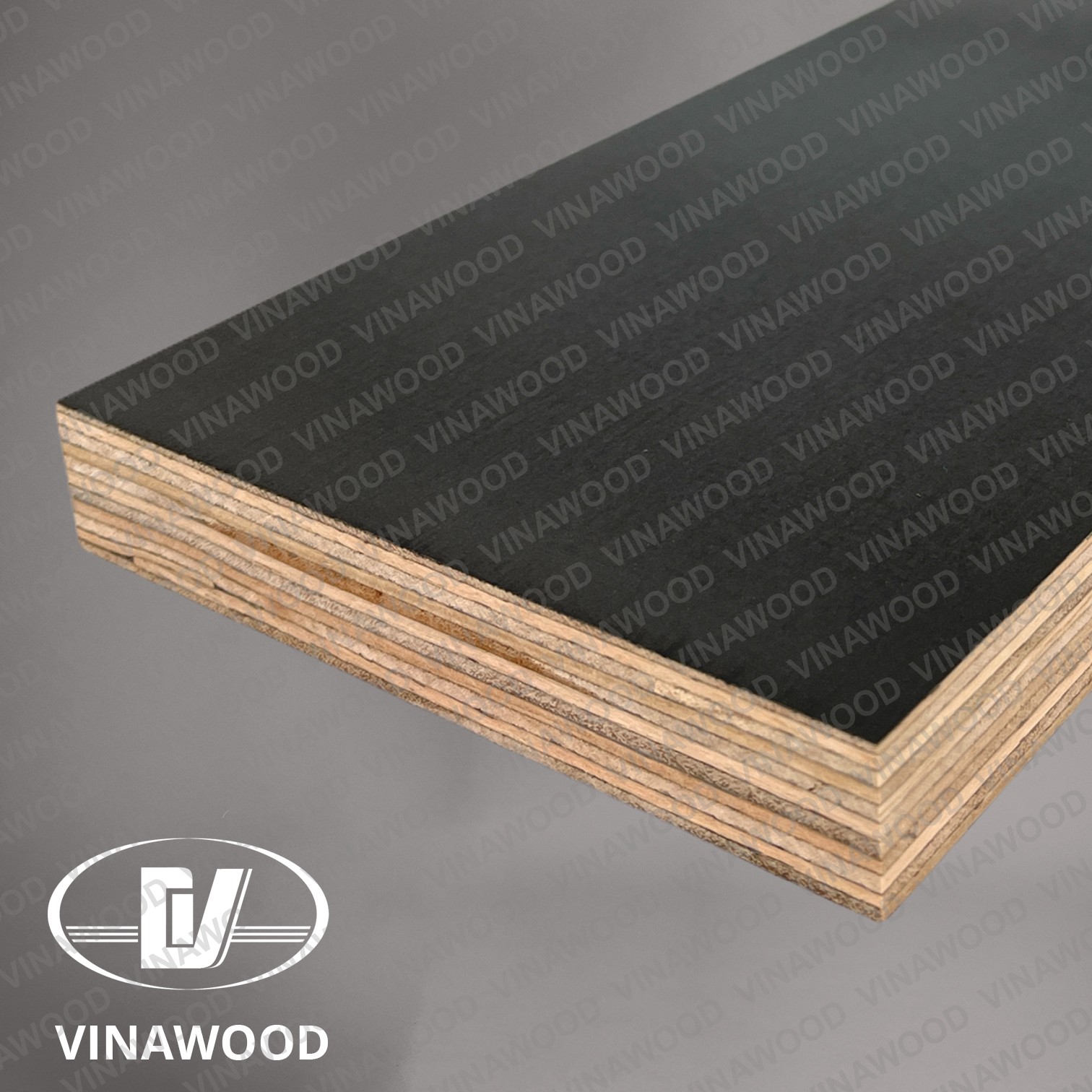
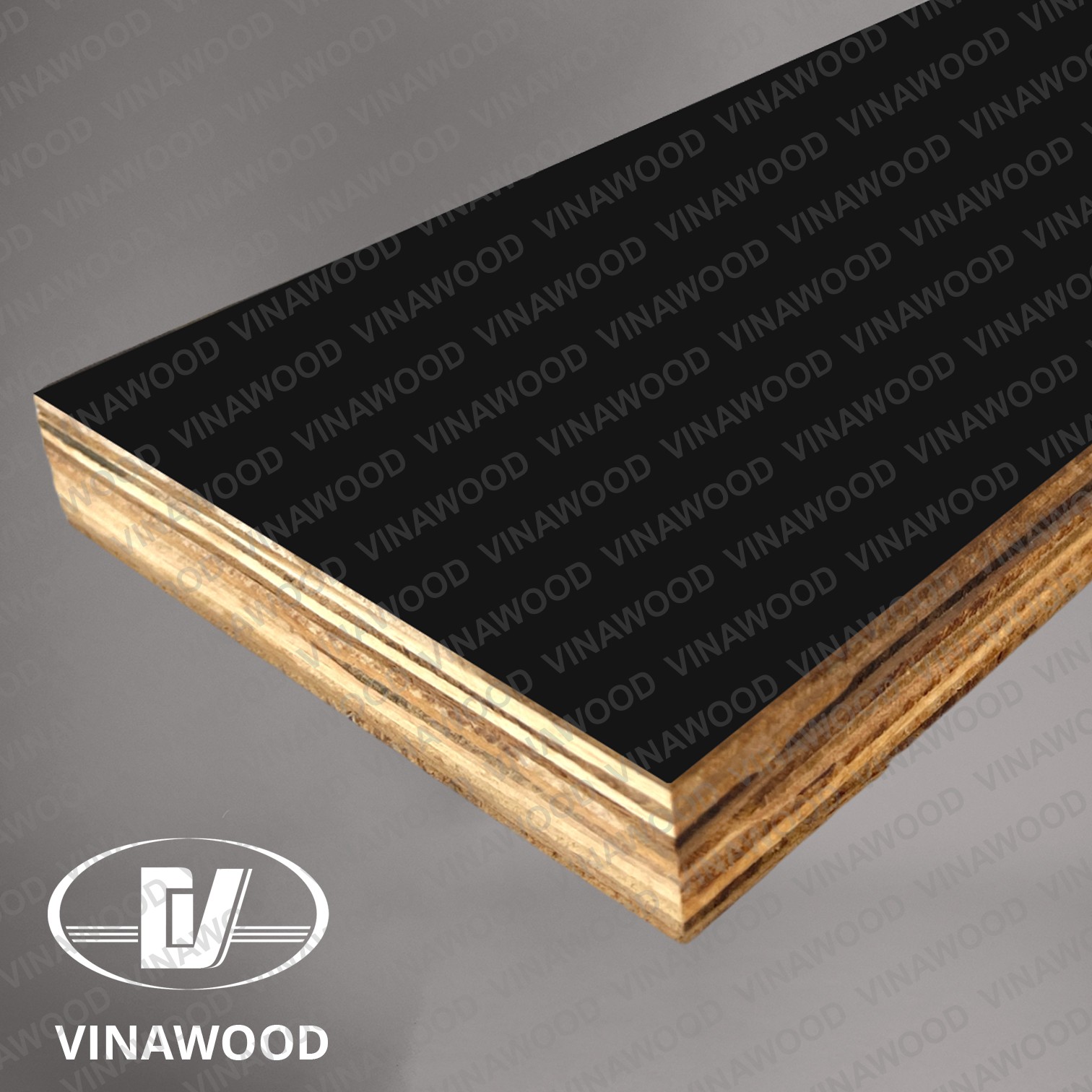
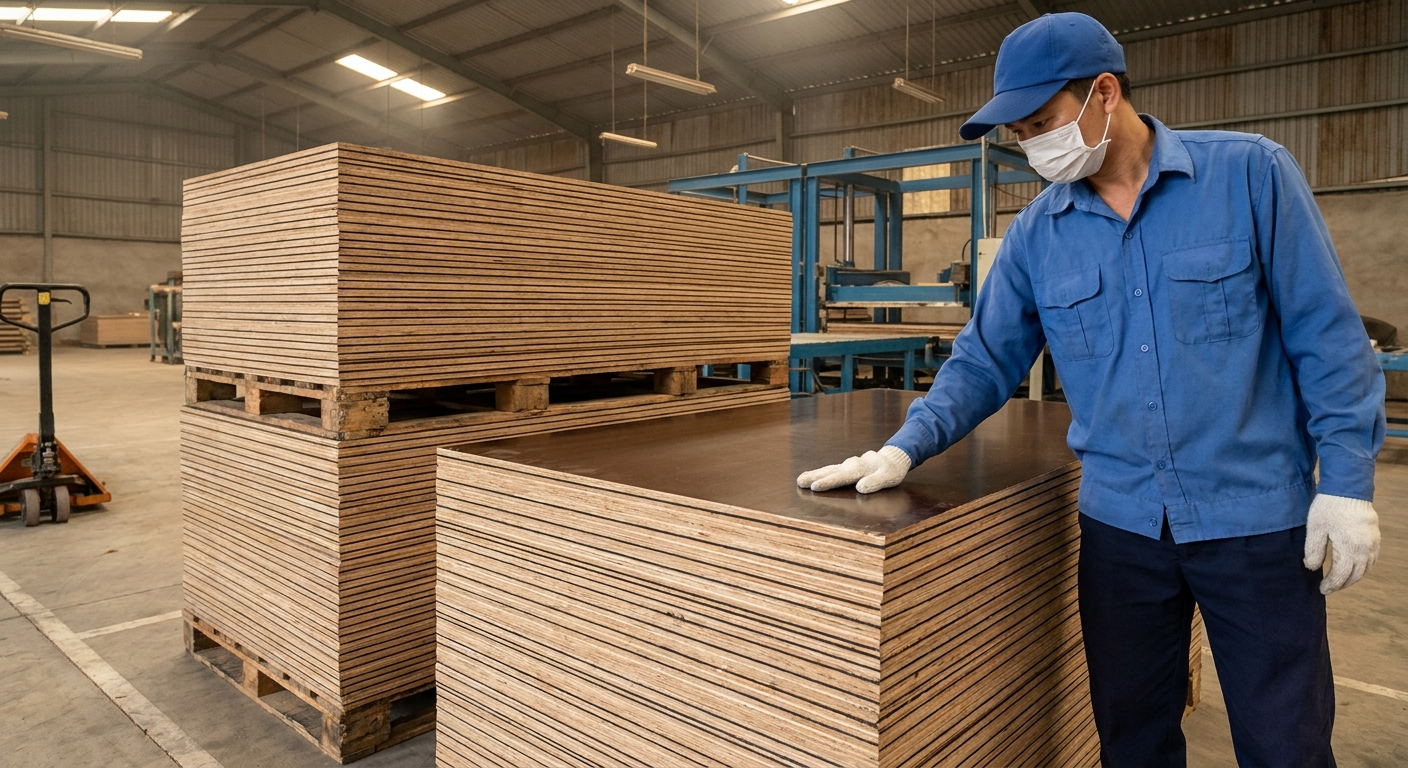
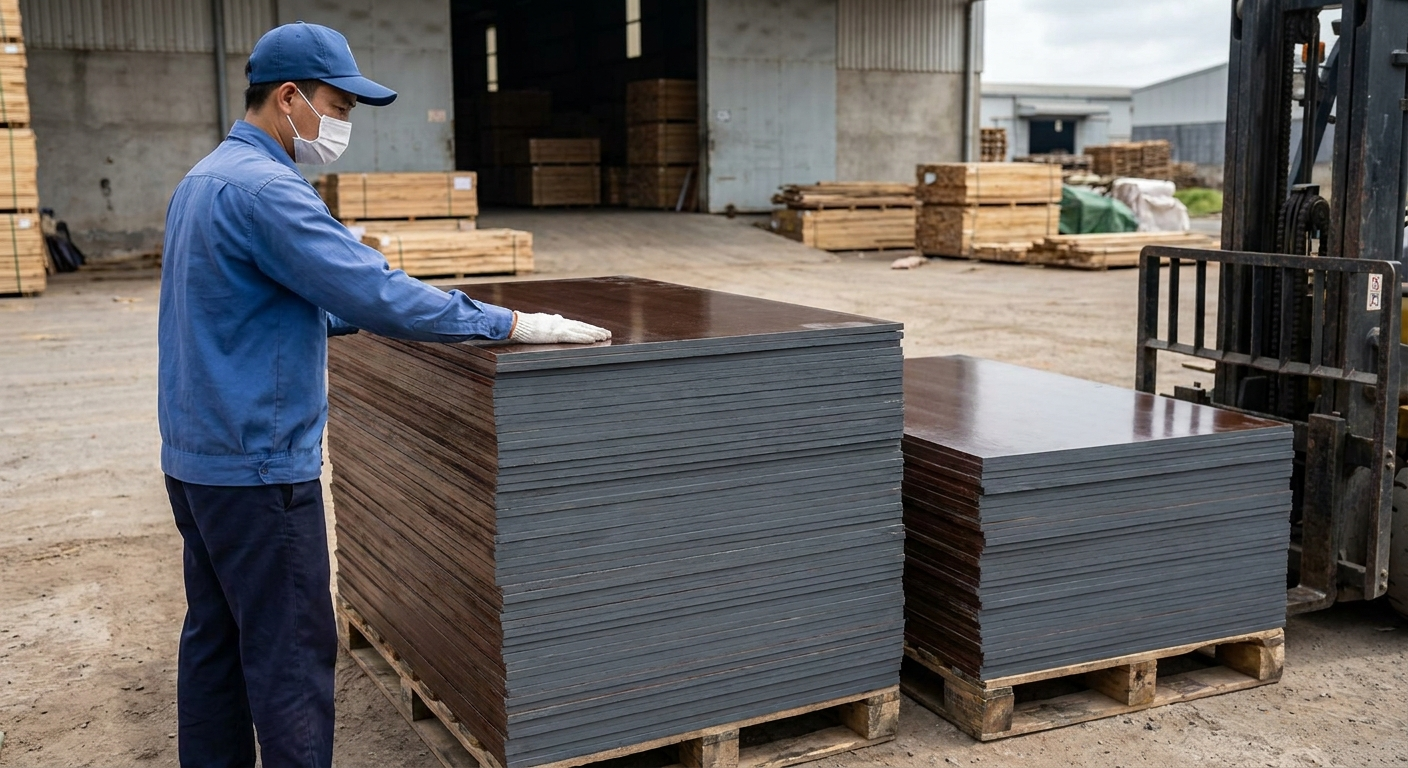
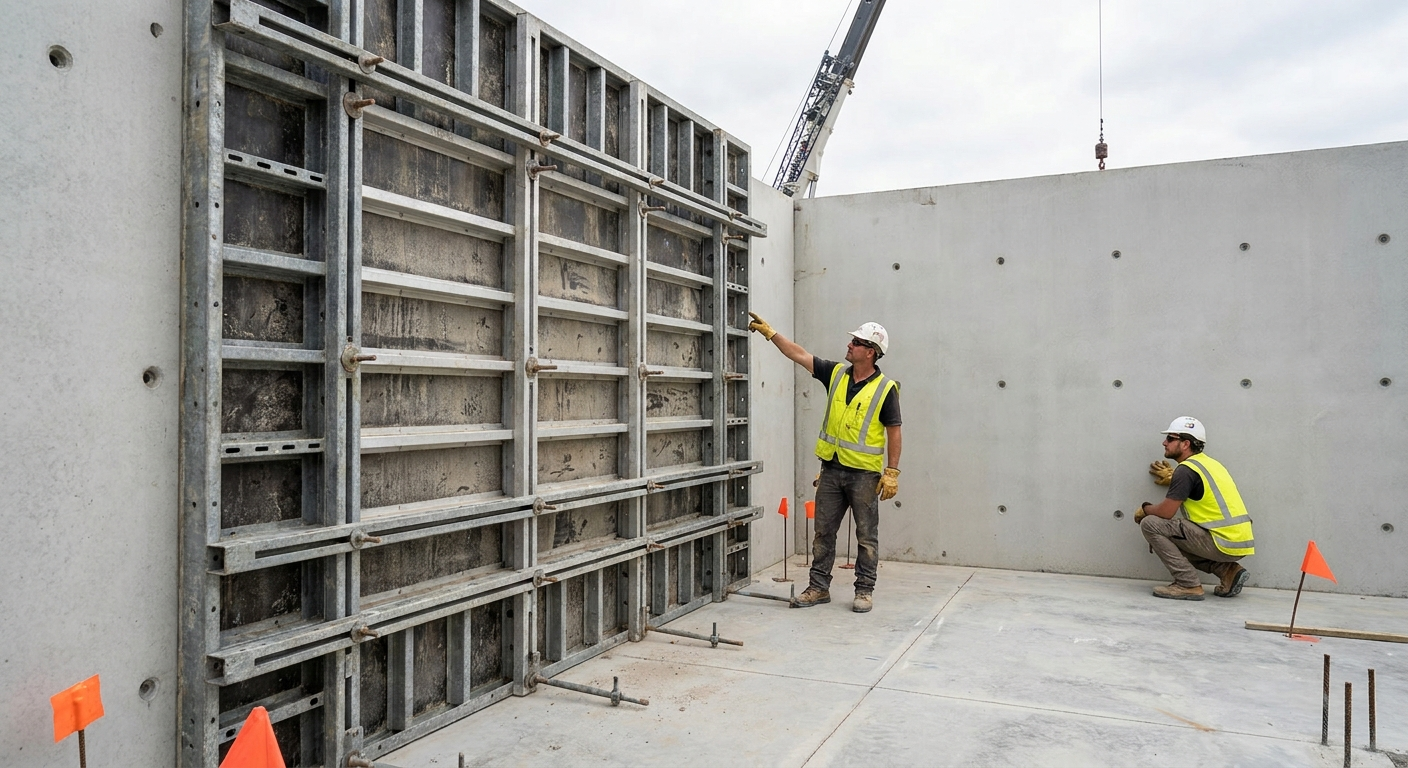
- Film-faced and formwork plywood carries a phenolic film face over a WBP core, engineered for wet concrete work where the panel meets water on every pour. Vinawood's film-faced range spans Class 2 melamine-bonded grades and the Class 3 phenolic-bonded Pro Form. The phenolic film sheds water; the core glue keeps the plies bonded when the edges take on moisture.
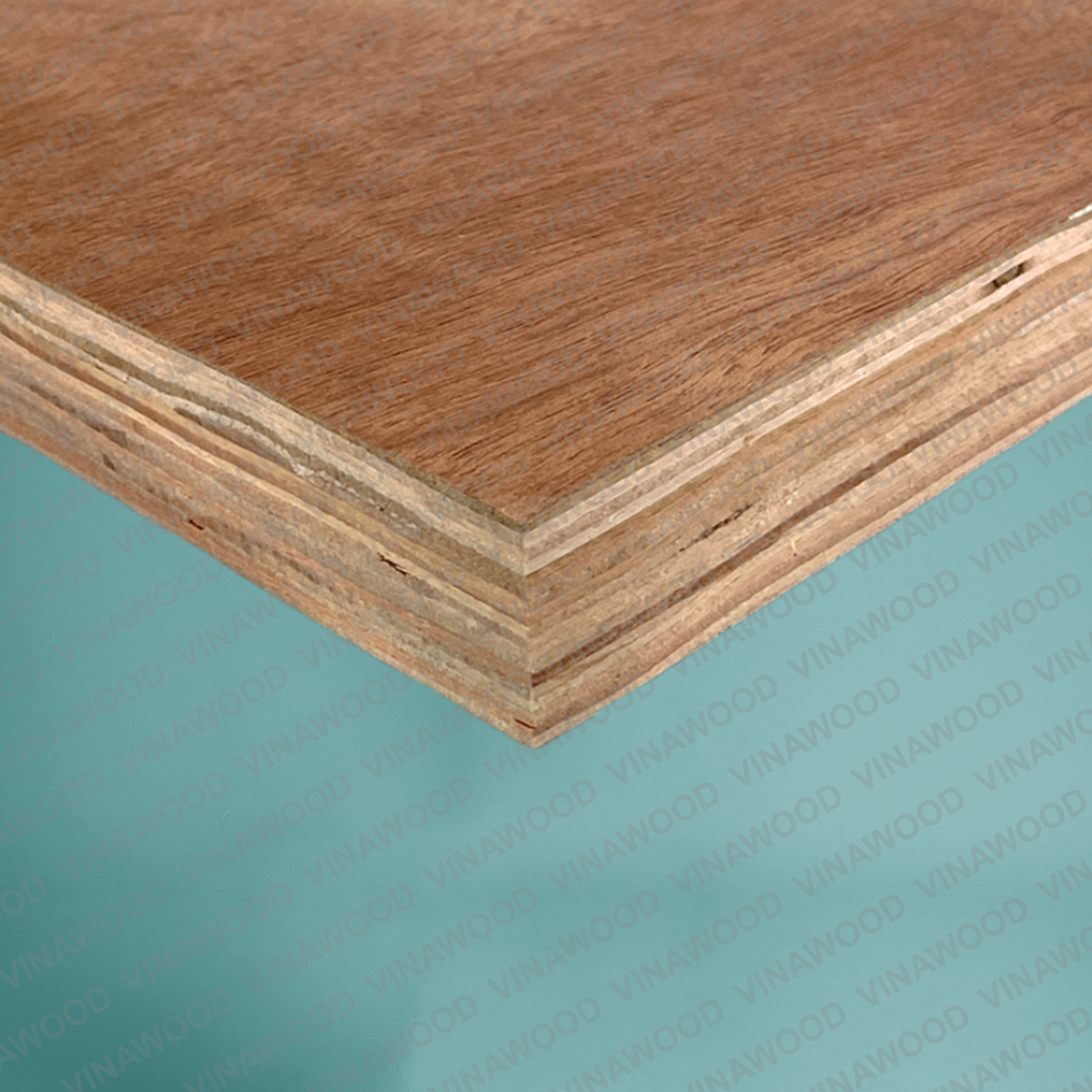
- Exterior and structural plywood uses a waterproof glue line for sheathing, siding, and outdoor framing. It resists weather during and after construction, though it still needs its edges sealed. This is the grade behind most "exterior plywood" specifications — our outdoor plywood guide breaks down the grades.
- MDO and HDO overlay panels bond a resin-saturated overlay to a phenolic core, giving a factory-built moisture barrier on top of a water-resistant panel. Useful for signage, forming, and painted exterior work. See the MDO and HDO references.
We've had customers in humid export markets order Form Extra for site hoarding expecting to seal it, then find the phenolic film and WBP core needed nothing more than sealed cut edges. Matching the grade to the exposure up front is the part most DIY guides skip.
How to Waterproof Plywood: 5 Coating Methods
When you already have a standard panel, or the grade resists water but the surface needs extra protection, a coating adds a barrier. Five methods cover most jobs, from light indoor humidity to outdoor exposure.
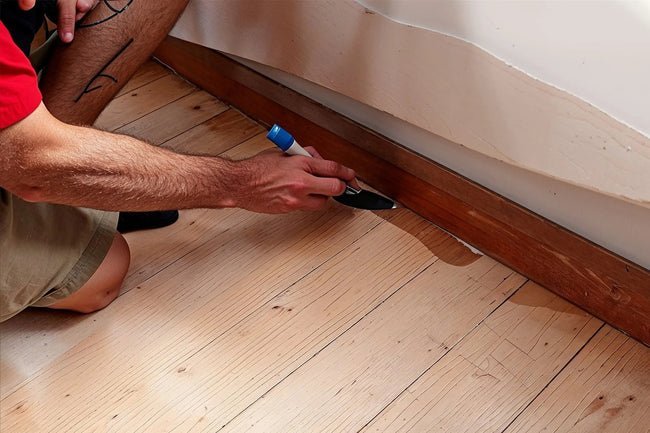
- Epoxy resin. The most durable surface coat. A two-part epoxy cures to a hard, impermeable film that seals the face and penetrates minor checks. Apply two to three coats and wrap the edges. Best for high-exposure outdoor and marine-adjacent work.
- Polyurethane. A clear or pigmented film that blocks moisture and wear, in oil-based or water-based variants. It sits on the surface rather than penetrating deep, so it suits interior-humid and light-exterior use more than constant water contact.
- Exterior paint and primer. An exterior primer plus two topcoats of exterior paint gives a solid moisture barrier and lets you colour the panel. Cost-effective for sheds, fences, and outdoor structures where appearance matters.
- PVA and exterior wood sealer. A penetrating sealer or exterior-rated PVA soaks into the surface fibres for light to moderate moisture protection. Quick to apply and a good base coat under paint.
- Penetrating wood oil. Linseed or tung oil nourishes the fibres and gives a water-resistant finish for interior and light-exterior projects. Not a match for heavy rain, but a clean natural finish where the grain should show.
Whichever method you choose, plan on multiple coats and let each dry fully before the next. No coating makes plywood fully waterproof forever — they raise water resistance and buy time, and they need re-coating as they wear.
Seal the Edges First
Cut edges are the number-one path for water into plywood. The face may be filmed or painted, but a bare sawn edge exposes the end grain of every ply, and water wicks straight into the core from there. This is the most common cause of swelling and delamination in panels that were otherwise well protected. Vinawood factory-seals panel edges with water-resistant paint as a dedicated manufacturing step, precisely because the edge is where field failures start. When you cut a sheet on site, seal the fresh edge before installation: two coats of the same sealer, paint, or epoxy you used on the face, worked well into the end grain. Sealing edges first, then faces, is the order that actually keeps water out.
Coating Comparison
| Method | Durability | Relative cost | Best use | Exterior-rated? |
|---|---|---|---|---|
| Epoxy resin | Very high | High | Outdoor, high-moisture, marine-adjacent | Yes |
| Polyurethane | High | Medium | Interior-humid, light exterior | Water-based: limited |
| Exterior paint + primer | Medium-high | Low-medium | Sheds, fences, outdoor structures | Yes |
| PVA / exterior sealer | Medium | Low | Base coat, light moisture | As a primer only |
| Penetrating wood oil | Low-medium | Low | Interior, light exterior, natural finish | Light exposure only |
Maintenance and Re-Coating
A sealed panel is not a finished job. Keep the surrounding area ventilated and drained so water is not sitting against the wood. Inspect coated plywood once or twice a year, and after storms, for lifted film, chalking paint, or dulled oil. Re-coat before the barrier fails rather than after, and pay attention to edges and fasteners, where coatings wear thinnest. On a panel that already carries a water-resistant glue class, this upkeep is light; on a basic interior panel pressed into outdoor service, it is constant, which is the clearest argument for choosing the right grade at the start.
Choosing the Right Panel
The question "how do I waterproof plywood" usually has a better answer than a can of sealer: start with a panel built to resist water. Marine and phenolic-bonded film-faced grades carry their water resistance in the glue line, so a coating becomes a light top-up rather than the whole defence. Vinawood manufactures WBP phenolic exterior, marine, and film-faced plywood in Vietnam, with FSC/PEFC, EPA TSCA Title VI / CARB P2, and CE documentation, shipping to 55+ countries factory-direct. To match a grade to your exposure or request a quote, contact the Vinawood team through vinawoodltd.com.
Category
guides